

Blog

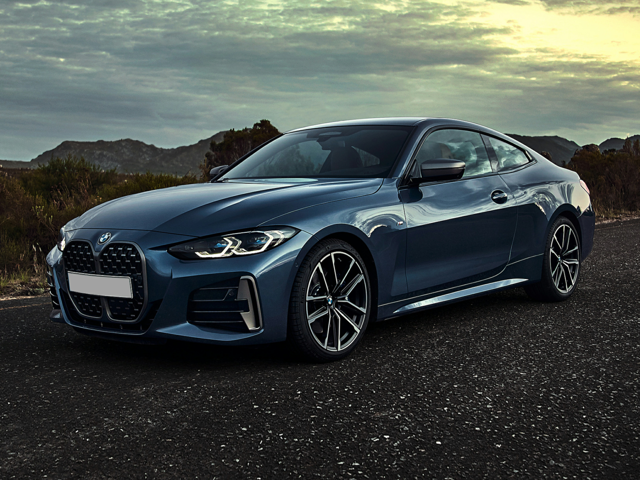
The Essence of 2024 BMW 440i

440i

If you want a sports car that performs as compellingly as it looks, then the 2024 BMW 440i should be on your list. This 4-door gran coupe is steeped in luxury, from its attentive details to its innovative technology. You will adore this sporty, yet functional, car that makes driving a true experience.

The Essence of 2024 BMW 440i

Power

Customize your drive with the Driving Dynamics Control system, which features Eco Pro, Comfort, and Sports modes. The 8-speed automatic transmission has sport and manual shift modes with steering wheel-mounted paddle shifters and Launch Control, so you can design how you get to your destination. The 382-horsepower, 3.0-liter BMW M TwinPower Turbo inline 6-cylinder engine uses advanced 48V mild hybrid technology to perform with heightened eBoost power and optimized efficiency.  

Performance

This gran coupe comes standard with an Aerodynamic Kit, which augments your front intakes and intensifies the vehicle's sporty character with side skirts and a rear diffuser. The standard M differential and suspension paired with the twin-tube gas-pressure shock absorbers allow for sporty handling with optimized balance and agile steering.

If you opt for the XDrive model, you will get improved dynamics and control from BMW's intelligent all-wheel drive system. The M Sport Brakes have vibrant blue calipers, but don't let their style fool you because they also provide superior performance thanks to the Dynamic Brake Control and Cornering Brake Control.

Convenience

When you drive a M440i, you won't have to waste time searching for your keys with the Comfort Access keyless entry and an engine start/stop button. Your car will remember you thanks to its Advanced Vehicle & Key Memory system, which will automatically set your most recently used settings such as climate-control temperature and air distribution, exterior mirrors, power seats, audio tone and radio presets, and lighting preferences.

Connectivity

Get all of your vehicle's information and control its systems with the 12.3" configurable instrument cluster and 14.9" central information display that is powered by the iDrive8 operating system and can be operated by the touchscreen or iDrive touchpad controller. You can employ the Intelligent Personal Assistant voice control to carry out various functions for convenience and safe driving.

Get where you are going confidently with the cloud-based navigation system, which receives over-the-air updates. With Connected Package Professional, you will get real-time traffic information and on-street parking information (select cities). Enjoy your included 1 year Platinum Plan Subscription of SiriusXM Satellite Radio through the 10-speaker, 205-watt digital amplifier HiFi Sound System, or upgrade to the premium Harman Kardon surround sound system.

The power and performance of this luxurious sports car will captivate you, and its convenient premium features will make this a vehicle you will want to drive for a long time. Visit our website to build your ideal BMW with us at Tom Bush BMW Orange Park in Jacksonville, FL.


Recommended Posts

First time BMW

First Time BMW Guide for Choosing Your First Model

First time BMW research gets easier when you sort body style, drivetrain, energy source, and purchase path in that order. However, BMW names can look dense when several letters and numbers appear together. Therefore, a clear sequence keeps the lineup easier to read. First, start with the vehicle shape that fits your passengers and cargo. Then look at drivetrain and fuel type. In addition, compare new, Certified, and standard used choices after that. Finally, review lease, finance, warranty, and service details before a test drive. Reading BMW Model Names What do BMW letters and numbers tell you? They give clues about model family, body type, drivetrain, and electrification. Therefore, numbered Series identify core car families such as the 3 Series and 5 Series. In addition, X models identify BMW SUVs and Coupe SUVs. M names point toward BMW M models, while an i prefix identifies a battery electric model. An e suffix can identify a plug in hybrid configuration. Therefore, a name such as X5 xDrive50e gives several clues before you open the specification page. X5 names the SUV family, xDrive identifies all wheel drive, and the e suffix points to plug in hybrid power. You do not need to memorize every badge. Instead, learn the pieces that narrow the lineup first. more Series and X names tell you which vehicle family you are viewing. xDrive identifies all wheel drive, while some sDrive models use rear wheel drive. An i prefix points to battery electric power, while an e suffix can mark a plug in hybrid. Beyond that, trim details can wait until the body style and drivetrain fit your plans. This keeps early research focused on the choices that change the vehicle most. Choose the Body Style Before the Trim Which BMW shape fits your passenger and cargo needs? The answer starts with how you expect to carry people and gear. Sedans such as the 3 Series and 5 Series use a separate trunk and four door cabin. Coupes place more emphasis on a lower roofline and two door form. Gran Coupe models keep coupe inspired lines while adding four doors and a rear hatch on certain models. In addition, BMW X models add taller seating and easier cargo access through a rear liftgate. Larger X models also offer more cabin room than smaller entries in the same family. Touring models use a wagon shape with a longer roof and rear cargo opening. Body Style Comparison BMW Body Style Passenger Access Cargo Layout Good Fit When Sedan Four doors Separate trunk You want a lower car with simple rear access Coupe Two doors Separate trunk You prioritize two door styling and front seat access Gran Coupe Four doors Varies by model You want coupe inspired lines with easier rear entry X model Four doors Rear liftgate You carry taller cargo or want a higher seating position Touring Four doors Long roof cargo area You want car height with more rear cargo room For this reason, body style can remove several models from your list quickly. A family carrying strollers may start with an X model or Touring model. A commuter who values a smaller footprint may begin with a sedan. Rear Wheel Drive and xDrive Change the Drivetrain Choice What does xDrive change? xDrive sends power through an all wheel drive layout instead of sending power only to the rear wheels. BMW uses xDrive across cars and X models. Therefore, the name tells you something mechanical, not simply an equipment package. The drivetrain can send power to more than one axle as traction needs change. By contrast, rear wheel drive sends propulsion through the rear axle. In addition, this layout remains available on selected BMW models and can reduce drivetrain weight. It also gives the front wheels fewer propulsion duties. For Orange Park and Jacksonville driving, road surface and personal preference should guide the comparison. Heavy rain may make all wheel drive attractive to some shoppers. Still, tires remain central to grip on wet pavement. During a test drive, compare steering response, acceleration from a stop, and low speed maneuvering. Those details show how each drivetrain feels on the routes you travel most. Gasoline Plug In Hybrid and Electric BMW Models Which energy source fits your commute? BMW currently offers gasoline, plug in hybrid, and battery electric choices. Therefore, gasoline models rely on an internal combustion engine and fuel tank. Refueling follows the familiar gas station routine. Plug in hybrid models add a high voltage battery and electric motor while keeping a gasoline engine. That plug in hybrid setup can cover shorter trips with electric power when the battery has charge. However, the gasoline engine remains available for longer travel. Home charging becomes part of the routine if you want to use more electric miles. Battery electric BMW models remove the gasoline engine. Instead, the high voltage battery powers one or more electric motors. Charging access at home, work, or public stations becomes a larger part of trip planning. Before choosing among these paths, compare your normal mileage and parking setup. In addition, think about how frequently you take longer trips beyond your local route. A shopper with reliable home charging may view an electric model differently from someone without dedicated parking. New BMW Certified and Used Paths What changes between new, BMW Certified, and standard used inventory? Each path carries a different mix of age, mileage, inspection, warranty timing, and price. A new BMW begins with the current model equipment and a new vehicle warranty. BMW states that its New Vehicle Limited Warranty runs four years or 50,000 miles. Therefore, the warranty clock starts with the original in service date. BMW Certified inventory follows a separate qualification process. Current BMW rules limit qualifying vehicles to five years old or newer with fewer than 60,000 miles. In addition, the vehicle must pass history review, inspection, diagnostic checks, and road testing. By contrast, standard used inventory can include a wider range of ages and mileage. Therefore, service records, condition, prior repairs, and an inspection deserve close review. Inventory Path Comparison Path Main Starting Point Warranty Review What to Check Closely New BMW Current model and zero prior owner miles New vehicle coverage Equipment, payment path, service plan BMW Certified BMW qualification and inspection Remaining new coverage plus CPO term when eligible In service date, mileage, history Standard used BMW Broader age and mileage range Varies by vehicle Records, condition, prior repairs, inspection For this reason, BMW Certified should not be treated as another label for used inventory. The certification process adds BMW rules before the vehicle enters that category. Lease Finance Warranty and Service Basics What should you review before committing to your first BMW? Review payment structure, warranty dates, maintenance coverage, insurance, and service access. A lease sets a term, mileage allowance, and end of term choices. Therefore, expected annual mileage deserves attention before signing. Financing uses a loan structure and can lead to full ownership after the balance is paid. BMW warranty coverage should be reviewed separately from the payment choice. Current new BMW models also include factory scheduled maintenance through BMW Ultimate Care. Review the stated time and mileage window. In addition, service planning deserves a place in the first purchase conversation. Tom Bush BMW Orange Park provides BMW service, parts, and scheduling resources after delivery. For this reason, review service location and scheduling options before you need them. Before the test drive ends, compare these final items in person: Adjust the driver seat, rear seat, mirrors, and cargo area to match the way you travel. Review the exact drivetrain and energy source on the model you are driving. Ask for the warranty start date, maintenance terms, and payment details tied to that specific vehicle. Your first BMW choice should get narrower as each decision falls into place. Start with body style, then drivetrain, energy source, and inventory path. After that, compare payment and service details on the exact vehicle you plan to drive.

BMW ignition coil diagnosis and repair

BMW Ignition Coil Diagnosis and Repair Guide for Owners

BMW ignition coil diagnosis and repair starts by confirming the faulty part before replacement begins. A rough idle or warning light may point toward a misfire. However, several parts can create the same cylinder fault. Therefore, testing matters before any coil gets replaced. A technician first reviews stored fault codes and engine data. Then the suspected cylinder receives targeted checks. In addition, the spark plug, wiring, and nearby components may need inspection. This process narrows the fault without relying on symptoms alone. BMW Ignition Coil Diagnosis Begins With Fault Codes What does a cylinder misfire code prove? It identifies where the misfire was detected, but it does not name the failed part. For this reason, a code such as P0301 points toward cylinder one. However, that cylinder can misfire for several reasons. In addition, the ignition coil may fail to create a strong spark. Likewise, a worn spark plug can also interrupt combustion. Fuel delivery or wiring concerns may create similar results. Therefore, code review works as the first diagnostic branch. The technician can compare stored faults with engine data and recent operating history. In addition, multiple cylinder codes may change the testing path. Before replacing parts, a technician may review several items: more The stored code shows which cylinder needs closer testing and whether more than one cylinder has a recorded misfire. Engine data can show whether the fault returns at idle, during acceleration, or after the engine reaches operating temperature. Other stored faults may point toward electrical, fuel, or mechanical concerns that need review before coil replacement. The code gives the technician a starting point. Therefore, the next step is proving whether the suspected coil caused the fault. Coil Testing Can Isolate the Fault How does moving a coil confirm the problem? A technician can move the suspected coil to another cylinder and watch the fault location. For this reason, suppose cylinder two has a misfire code. Then the technician can move that coil to a known good cylinder. Then the fault memory gets cleared before the engine runs again. If the misfire moves with the coil, the evidence points toward that coil. By contrast, a misfire that stays on cylinder two sends testing elsewhere. This method separates the component from the cylinder location. BMW diagnostic guidance has used this approach because some coil faults appear only while the engine runs. A coil may look normal during a visual check. However, heat and engine load can reveal an internal fault. Therefore, the swap test adds stronger evidence before replacement. It also reduces the chance of replacing a good coil while the original problem remains. Spark Plugs Need Inspection During Diagnosis Why inspect the spark plug when the coil is already suspected? The plug works with the coil to create the spark inside the cylinder. In addition, a worn electrode can require more voltage for a clean spark. Furthermore, fouling can interfere with ignition. In addition, oil inside the plug well can contaminate the coil boot and plug area. Therefore, the technician may remove the plug and inspect its condition. Deposits, wear, damage, or contamination can change the repair path. The plug service history also gives useful context. A coil replacement may not solve a misfire caused by a worn plug. Likewise, a damaged coil boot may point toward oil entering the plug well. That can require another repair beyond the ignition part itself. For this reason, coil and plug inspection work together. Each part sits in the same ignition path, so both deserve attention during diagnosis. A Misfire Can Lead to Other Diagnostic Checks What happens if the misfire stays on the same cylinder after a coil swap? The technician keeps testing other possible causes on that cylinder. Therefore, the spark plug is a common next check. However, the fuel injector, wiring, connector, or mechanical sealing may also need review. Each can interrupt combustion without moving with the coil. In addition, electrical testing can reveal connector or wiring concerns. Fuel testing may point toward an injector problem. Mechanical testing may follow when ignition and fuel checks do not explain the fault. This branch matters because a misfire code cannot separate every cause by itself. Therefore, professional diagnosis follows evidence from one test to the next. The owner should expect the technician to explain what was tested and what the results showed. That record creates a clearer reason for the repair that follows. Ignition Coil Repair Includes Verification After Replacement What happens after testing confirms a failed coil? The technician removes the faulty part, installs the correct replacement, and checks the engine again. However, access varies across BMW engines. Some coils sit beneath covers that must come off first. Electrical connectors also need careful handling before the coil can be lifted from the plug well. After installation, the technician reconnects the hardware and clears stored fault codes. Then the engine runs again so the repaired cylinder can be checked. Post repair verification may include another scan and a road test. The technician wants to confirm that the misfire does not return. In addition, engine operation should remain smooth across the tested range. Parts selection matters during this work. A replacement coil must match the BMW engine and ignition setup. Spark plug work may also be completed when inspection shows wear or related concerns. Replacement finishes the mechanical part of the job. Verification confirms whether the repair corrected the original fault. Repair Cost Changes With the Work Required Why can one BMW ignition coil repair cost more than another? The total reflects diagnosis, parts, access, and any related work found during testing. In some repairs, a single confirmed coil may require limited parts work. However, worn spark plugs or oil contamination can add more labor and parts. Engine layout can also change how much disassembly is needed. Several cost inputs deserve review before authorizing repair: Diagnostic labor covers code review, testing, and fault isolation before replacement starts. Parts cost changes with the exact BMW engine, coil type, spark plug needs, and any related components. Labor time can rise when access requires more disassembly or when another fault needs separate testing. A service estimate should reflect the specific BMW and the findings from diagnosis. Therefore, a fixed price before testing may leave out needed work or include work that is unnecessary. Tom Bush BMW Orange Park can inspect the fault and explain the recommended repair path. If a warning light is flashing or the engine runs very rough, driving may risk further damage. In that situation, contact the service team before continuing the trip.

BMW 3 Series vs 5 Series

BMW 3 Series vs 5 Series Guide for Jacksonville Drivers

BMW 3 Series vs 5 Series decisions involve cabin space, trunk room, technology, and road response. Both sedans share familiar BMW design cues and current digital tools. However, their size, weight, and cabin proportions create two distinct paths for Orange Park and Jacksonville travel. The 3 Series keeps a smaller footprint that suits tight parking and busy streets. The 5 Series adds length, wheelbase, rear room, and trunk volume. Therefore, the choice should start with how much space you need and where you drive most. BMW 3 Series and 5 Series Size Comparison How much larger is the 5 Series? The current 530i measures 199.2 inches long, while the 330i measures 185.9 inches. That 13.3 inch gap is easy to notice in a garage or parking space. In addition, the 5 Series wheelbase stretches 117.9 inches. The 3 Series wheelbase measures 112.2 inches. Furthermore, a longer wheelbase gives designers more room between the front and rear axles. Therefore, cabin packaging can devote more space to rear passengers. The shorter 3 Series takes up less pavement, which can simplify tight parking near Jacksonville shops or offices. more Comparison Chart 1 Measurement BMW 330i BMW 530i Length 185.9 inches 199.2 inches Width 71.9 inches 74.8 inches Wheelbase 112.2 inches 117.9 inches Curb weight 3,644 pounds 4,041 pounds Trunk volume 16.9 cubic feet 18.3 cubic feet Those numbers matter most when tied to your routine. If your garage is narrow, measure the space before choosing either sedan. If rear passengers ride with you frequently, the larger cabin deserves a closer look. Passenger Space Changes With Wheelbase Where does the extra wheelbase show inside the 5 Series? Much of it appears in the passenger compartment, particularly behind the front seats. Rear legroom measures about 35.2 inches in the 3 Series and 37 inches in the 5 Series. Therefore, adults riding in back may notice the extra room on longer trips. In addition, the difference can matter when front seats move rearward for taller occupants. The 3 Series still seats five and offers useful rear space for shorter trips. However, the 5 Series gives the second row more breathing room. That can matter for families, coworkers, or frequent airport runs. Seat comfort also comes from more than one measurement. Cushion shape, seatback angle, roof shape, and front seat position all change how the cabin feels. Therefore, sit in both rows during a test drive instead of relying only on specifications. Trunk Space for Commuting and Travel Which trunk gives you more room for travel? The 5 Series provides 18.3 cubic feet, while the 3 Series provides 16.9 cubic feet. The difference is 1.4 cubic feet. That is not a dramatic gap, but it can matter when several bags need to fit at once. A Jacksonville airport run may involve carry ons, larger luggage, and personal items in the same load. Furthermore, trunk shape matters too. A wide opening can make bulky bags easier to place, while usable depth changes how luggage stacks. Therefore, open both trunks and test the items you carry most. For daily commuting, either sedan can handle groceries, work bags, and smaller gear. Longer family travel gives the 5 Series more room before the trunk reaches its limit. 330i and 530i Driving Differences Why can two sedans with the same base horsepower feel different? Weight, wheelbase, steering calibration, and chassis tuning change how power reaches the road. The 330i and 530i both produce 255 horsepower and 295 pound feet of torque. However, the 530i weighs about 397 pounds more. In addition, the longer 5 Series places the axles farther apart. Comparison Chart 2 Specification BMW 330i BMW 530i Horsepower 255 255 Torque 295 pound feet 295 pound feet Transmission 8 speed automatic 8 speed automatic Drive layout Rear wheel drive Rear wheel drive Curb weight 3,644 pounds 4,041 pounds Zero to 60 mph 5.6 seconds 5.9 seconds The lighter 3 Series has less mass to move with the same base output. Therefore, it can feel quicker to react when changing direction. The longer 5 Series places more emphasis on cabin space and steady highway travel. A test drive should include slow streets, highway merging, and a few tighter turns. Those roads reveal more than acceleration data alone. Technology Across the Two Sedans What technology should you compare inside each sedan? Start with the interface, driver assistance options, display layout, and controls you use every day. Both current sedans use BMW Operating System 8.5. Therefore, core navigation, media, and connected functions follow a familiar digital structure. In addition, wireless Apple CarPlay and Android Auto appear across the current line. However, cabin design differs around that software. Screen placement, trim, available seating features, roof choices, and driver assistance packages vary by model and configuration. For this reason, compare the exact cars in stock instead of treating the software name as the whole cabin story. Pay attention to how quickly you can reach navigation, climate settings, camera views, and audio controls. In addition, check which assistance packages are installed on the specific sedan you plan to drive. Choosing the Right BMW Sedan for Your Routine Which sedan fits your Orange Park routine more closely? The answer starts with passenger needs, parking space, cargo demands, and the roads you travel most. Choose the 3 Series for a smaller exterior footprint and lower curb weight. Its dimensions fit drivers who want easier placement in tighter spaces. By contrast, the 5 Series gives rear passengers more room and adds trunk volume for longer travel. Before deciding, compare a few details in person: Sit in the rear seat with the front seat adjusted for your normal driving position. Load the trunk with the type of luggage, work gear, or family items you carry. Drive both sedans through city streets and highway traffic before comparing their road response. Tom Bush BMW Orange Park carries current BMW sedan inventory for shoppers near Orange Park and Jacksonville. A side by side test drive can make the differences easier to judge. From there, you can move into the separate comparison landing page or current inventory for the next step.