


Leasing only works when the contract structure aligns with how a vehicle is actually used. For Orange Park shoppers comparing the BMW X5 and BMW 5 Series, the decision is not simply SUV versus sedan. It is about how each platform behaves under a lease when depreciation, mileage exposure, wear patterns, and daily driving habits are taken into account.
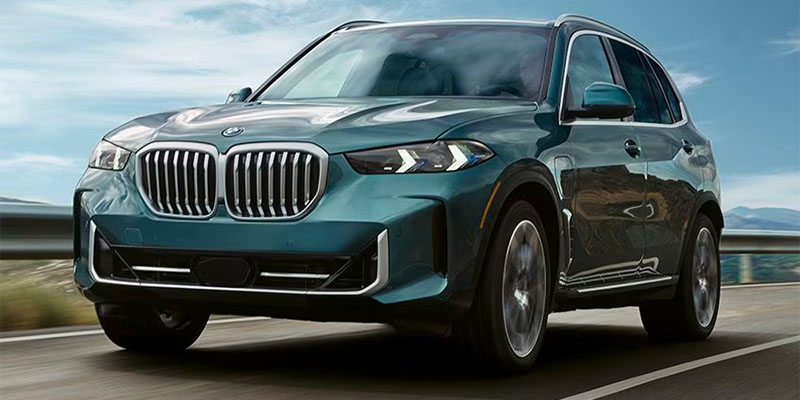
Both models lease well for different reasons. Understanding those reasons helps shoppers avoid common lease frustrations that usually surface at the end of the term rather than at signing.
How BMW Leasing Works at a Structural Level
BMW leases are closed end agreements. The vehicle’s future value is established up front and becomes a core factor in the monthly payment. Three variables dominate lease behavior.
- Residual value
This is the projected value of the vehicle at lease end. Higher residuals generally support lower payments but also increase sensitivity to mileage and condition. - Mileage allowance
Common allowances include 10,000, 12,000, and 15,000 miles per year, with the option to pre purchase additional miles. - Lease term
Most BMW leases are structured at 36 months, balancing warranty coverage and predictable depreciation.
The mistake many shoppers make is assuming these variables behave the same across all BMW models. Vehicle category plays a significant role.
Why BMW X5 and 5 Series Leases Behave Differently
The BMW X5 and BMW 5 Series sit in different segments with different depreciation and usage profiles. Those differences directly affect lease outcomes.
BMW X5 Lease Considerations
The X5 benefits from sustained SUV demand, which helps support residual values. However, real world usage tends to be broader and less predictable.
Key lease characteristics of the BMW X5 include:
- Higher MSRP supported by SUV demand
- Greater vehicle weight affecting tires and brakes
- Increased passenger and cargo use
- Higher likelihood of all wheel drive configurations
For Orange Park drivers, the X5 often serves as a primary household vehicle. School drop offs, weekend travel, highway commuting, and cargo hauling all contribute to mileage accumulation and wear exposure.
Because of this, X5 lessees benefit most when mileage is planned conservatively. Underestimating usage is the most common source of lease end dissatisfaction for SUV drivers.
BMW 5 Series Lease Considerations
The 5 Series follows a more predictable lease pattern. Sedans typically experience steadier usage and lower wear exposure during a lease term.
Key lease characteristics of the BMW 5 Series include:
- Lower curb weight reducing consumable wear
- Efficient highway behavior for commuters
- Consistent interior usage
- Strong appeal for professional daily driving
For Orange Park shoppers with regular highway commutes or predictable schedules, the 5 Series often aligns well with standard mileage tiers. Lease outcomes tend to be easier to forecast, reducing surprises at turn in.
Mileage Planning Is the Deciding Factor
Across lease focused SERPs, mileage regret appears more often than any other issue. This is especially relevant in suburban markets like Orange Park where daily driving distances can quietly add up.
Shoppers should consider:
- Daily commute length multiplied over three years
- Weekend driving patterns
- School, work, and recreational routes
- Frequency of longer highway trips
BMW allows mileage to be structured at the start of the lease. Pre purchasing miles is almost always more cost effective than paying excess mileage charges at the end.
Drivers leaning toward the X5 should err on the side of higher mileage allowances. Drivers choosing the 5 Series can often match mileage more precisely due to consistent use.
Lease Term Length and Vehicle Type Alignment
While shorter lease terms exist, 36 months remains the most stable option for both models.
- BMW X5 at 36 months
Limits exposure to higher maintenance wear while maximizing residual strength. - BMW 5 Series at 36 months
Aligns with technology cycles and predictable depreciation behavior.
Extending beyond this window can increase maintenance exposure without delivering meaningful financial advantage.
Wear, Condition, and Lease End Reality
Lease contracts account for normal wear but not excessive use. Vehicle type influences what is considered normal.
SUV related wear considerations include:
- Tire replacement thresholds
- Brake wear from vehicle mass
- Interior wear from family and cargo use
Sedan related wear considerations include:
- Lower brake and tire stress
- Reduced suspension fatigue
- More consistent interior condition
Shoppers choosing the X5 should factor wear protection more seriously than those choosing the 5 Series, particularly when the vehicle serves multiple roles.
Choosing the Right Lease Path
Neither lease path is universally better. The correct choice depends on how the vehicle will be used over the next three years.
The BMW X5 lease supports shoppers who:
- Need space and flexibility
- Accept higher usage variability
- Plan mileage conservatively
- Value SUV demand supporting residuals
The BMW 5 Series lease supports shoppers who:
- Drive consistent daily routes
- Want predictable lease outcomes
- Prioritize efficiency and comfort
- Prefer lower wear exposure
When lease structure mirrors real world behavior, satisfaction remains high throughout the term rather than declining at lease end.
Final Considerations for Orange Park Shoppers
Leasing is a planning exercise, not just a payment decision. Matching vehicle type to driving habits is what determines whether a lease feels smooth or restrictive over time.
For shoppers comparing the BMW X5 and BMW 5 Series, understanding how each platform behaves under a lease is the key to choosing the right path with confidence backed by engineering and usage reality from BMW.
Connect with us


