


Choosing between OEM and aftermarket parts for a BMW is not just a pricing decision. It is a system-level choice that affects how the vehicle performs, how components interact, and how reliably the vehicle operates over time. BMW vehicles are engineered with tightly integrated systems, meaning each part is designed to function within specific tolerances and communication networks.
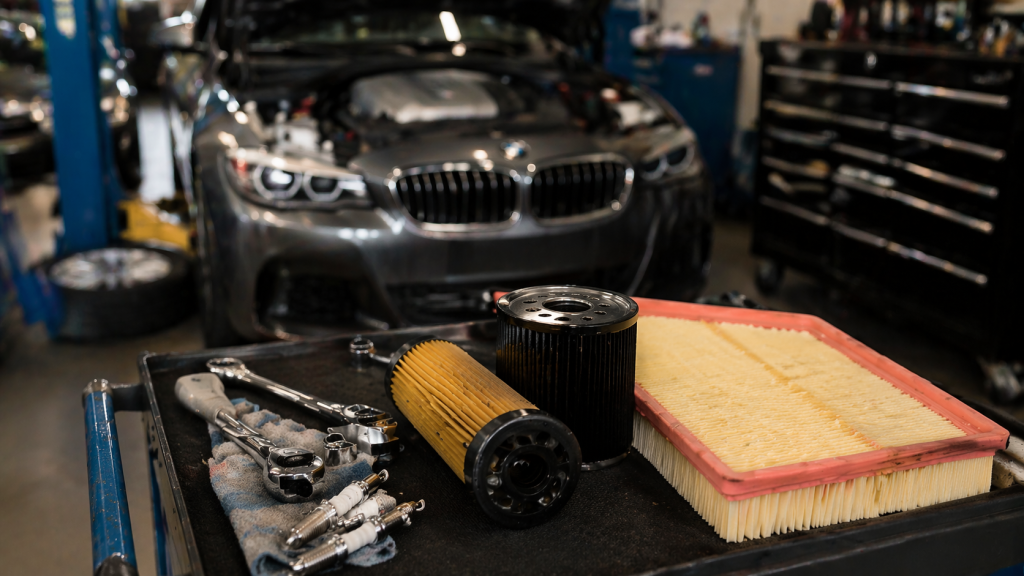
Understanding the difference between OEM and aftermarket parts requires looking at how those parts are built, how they interact with the vehicle, and what that means for long-term ownership.
Are OEM BMW parts better than aftermarket
OEM BMW parts are components designed and manufactured to match the exact specifications of the vehicle’s original systems. These parts are engineered to integrate directly with BMW’s mechanical and electronic architecture, ensuring consistent performance and compatibility.
At a system level, BMW designs components to work together with precise tolerances. This includes how parts fit physically, how they respond under load, and how they communicate with onboard systems. OEM parts are built to meet these exact requirements.
For example, a BMW sensor or electronic component must:
- Communicate accurately with control modules
- Provide consistent data under varying conditions
- Align with BMW’s software calibration
If a component does not meet these requirements, the system may not function as intended. This is why OEM parts are designed not just as individual components, but as part of a larger system.
For BMW owners, this means OEM parts provide:
- Predictable performance based on original engineering
- Full compatibility with vehicle systems
- Consistent long-term reliability
The advantage is not simply that OEM parts are “better.” It is that they are designed specifically for how the BMW operates as a complete system.
What is the difference between OEM and aftermarket parts
The difference between OEM and aftermarket parts comes down to design intent, manufacturing standards, and system integration. OEM parts are produced to match the original specifications of the vehicle, while aftermarket parts are produced by third-party manufacturers with varying design approaches.
Aftermarket parts can range from high-quality alternatives to lower-cost options that prioritize affordability over precision. This variability exists because aftermarket manufacturers are not always building to the exact specifications used by BMW.
From a technical perspective:
- OEM parts follow BMW engineering standards and tolerances
- Aftermarket parts may use different materials or design variations
- OEM parts are tested within BMW system environments
- Aftermarket parts may not be calibrated for BMW-specific systems
This difference becomes more significant in vehicles with advanced electronics and integrated systems. BMW vehicles rely on communication between components, meaning even small variations can affect performance.
For example:
- A non-OEM sensor may provide inconsistent readings
- A non-OEM brake component may wear differently under load
- A non-OEM electronic module may not fully integrate with system software
For BMW owners, the key difference is consistency. OEM parts are designed for exact compatibility, while aftermarket parts introduce variability that can affect how the system performs.
How part choice impacts long-term vehicle performance
Part selection directly influences how a BMW performs over time because each component contributes to the overall system. When parts operate within their intended specifications, the vehicle maintains its designed performance characteristics.
OEM parts support this by ensuring:
- Proper fitment and alignment
- Consistent material performance
- Accurate communication with vehicle systems
When aftermarket parts are introduced, performance can vary depending on how closely they match OEM standards.
Potential impacts include:
- Changes in system behavior due to inconsistent data or fitment
- Increased wear if materials do not match original specifications
- Reduced efficiency if components do not operate as intended
These effects may not be immediate. In many cases, differences appear over time as components experience stress, heat, and repeated use.
For BMW owners, this means part selection is tied to long-term reliability. A lower upfront cost may lead to additional maintenance if the part does not perform consistently within the system.
How to evaluate OEM vs aftermarket BMW parts
Evaluating OEM vs aftermarket BMW parts requires understanding how the part will interact with the vehicle and what role it plays in overall system performance. Not all components carry the same level of risk when replaced with aftermarket alternatives.
Key factors to evaluate include:
- Whether the part interacts with electronic systems or sensors
- The importance of precise fitment and material consistency
- The potential impact on long-term performance
From a decision standpoint:
- Critical components such as sensors, engine parts, and electronic modules benefit from OEM compatibility
- Wear items may offer more flexibility depending on quality and application
- Consistency and reliability should be weighed against upfront cost
For BMW owners, the decision is not about choosing the most expensive option. It is about choosing the part that maintains the integrity of the vehicle’s systems.
Understanding how BMW designs its vehicles provides clarity. Each component is part of a larger system, and maintaining that system requires parts that align with its original engineering. When evaluated this way, OEM and aftermarket choices become a matter of system performance rather than simple cost comparison.
Connect with us


