


BMW interior design is driven by function before appearance. Every surface, control, and material choice is engineered to support driving confidence, comfort, and long term usability rather than visual impact alone. For shoppers evaluating BMW interiors, especially in larger SUVs and three row configurations, understanding the intent behind the design explains why BMW cabins feel different over time, not just at first glance.
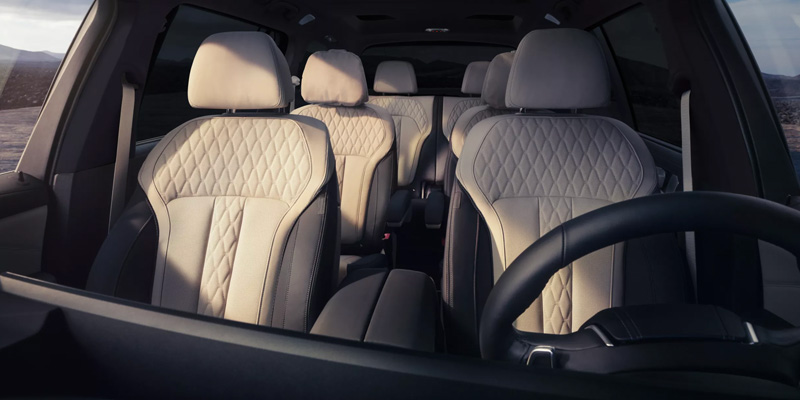
Interior craft at BMW is an extension of vehicle engineering. The cabin is treated as a working environment where ergonomics, durability, and driver awareness matter as much as aesthetics.
The Driver Focused Design Philosophy
BMW interiors are built around a driver centered cockpit layout. This philosophy prioritizes control access, sightlines, and feedback rather than symmetrical design for its own sake.
Key principles include:
- Controls angled toward the driver for reduced reach
- Clear separation between driving functions and comfort settings
- Instrument placement that minimizes eye movement
- Logical grouping of frequently used controls
This layout reduces cognitive load while driving, especially at speed or in complex traffic environments.
Ergonomics and Seating Position
Seating position is foundational to BMW interior design. The relationship between seat height, steering wheel placement, and pedal alignment is engineered to create a natural driving posture.
BMW seating design emphasizes:
- Upright but relaxed posture for long distance comfort
- Proper thigh and lumbar support to reduce fatigue
- Consistent steering wheel reach across body sizes
- Clear forward and side visibility
This ergonomic consistency supports both performance driving and daily commuting without requiring constant adjustment.
Materials Chosen for Longevity
BMW interior materials are selected to balance tactile quality with long term durability. Soft touch surfaces are used where contact is frequent, while high wear areas are reinforced for resilience.
Common material considerations include:
- Leather and upholstery treated for abrasion resistance
- Trim finishes selected to resist glare and fingerprints
- Switchgear designed for repeated mechanical use
- Structural materials that reduce vibration and cabin noise
Rather than prioritizing novelty, BMW focuses on materials that age predictably and maintain their feel over years of use.
Craftsmanship and Assembly Precision
Interior craftsmanship extends beyond material choice into assembly quality. Tight tolerances and consistent panel alignment reduce noise, vibration, and movement over time.
BMW interiors are engineered to:
- Minimize squeaks and rattles
- Maintain control precision as components age
- Preserve tactile consistency across temperature changes
- Support long term structural integrity
This attention to assembly quality becomes more noticeable as vehicles accumulate mileage.
Technology Integrated With Purpose
BMW integrates technology into the interior without allowing it to dominate the driving experience. Screens and interfaces are positioned to support awareness rather than distraction.
Design priorities include:
- Display placement within the driver’s natural line of sight
- Retention of physical controls for critical functions
- Clear visual hierarchy for driving related information
- Interface logic that prioritizes clarity over complexity
This balance allows drivers to interact with technology intuitively without diverting attention from the road.
Interior Design in BMW SUVs and Three Row Cabins
In larger BMW SUVs, interior design principles adapt to support passenger comfort and cargo flexibility without losing driver focus.
Key SUV interior considerations include:
- Clear sightlines despite increased vehicle height
- Second and third row seating that preserves structural integrity
- Cargo layouts that maintain load stability
- Climate control zoning that supports full cabin comfort
Three row configurations are designed to balance passenger accommodation with driver control, avoiding the detached feel common in large cabins.
Practical Storage and Daily Usability
BMW interiors incorporate storage solutions that reflect real world use rather than decorative placement.
Functional design elements include:
- Storage positioned within natural reach
- Console layouts that support daily items
- Door pockets sized for practical use
- Cargo areas designed for varied load shapes
These details improve daily usability without drawing attention away from the driving task.
Interior Noise and Comfort Management
Sound management is a critical component of interior design. BMW cabins are engineered to control noise without isolating the driver from feedback.
Interior acoustic strategies include:
- Strategic insulation placement
- Structural damping to reduce vibration
- Materials that absorb rather than reflect noise
- Cabin tuning that preserves engine character without intrusion
This approach supports long distance comfort while maintaining a sense of connection to the vehicle.
Long Term Ownership Experience
BMW interior design is evaluated over years of ownership, not showroom impressions. Materials, layouts, and controls are tested for consistency over time.
Long term considerations include:
- Wear patterns on high contact surfaces
- Retention of control responsiveness
- Interior noise stability
- Seating comfort after extended use
This focus helps explain why BMW interiors often feel cohesive and purposeful well beyond the initial ownership period.
Interior Craft as an Engineering Decision
BMW interior design is not decorative by accident or minimal by trend. It reflects a deliberate engineering approach that prioritizes the driver, supports passengers, and maintains quality over time.
For shoppers evaluating interior quality and usability, understanding this philosophy clarifies why BMW cabins emphasize control, clarity, and durability rather than visual excess. That intent is central to how BMW designs the space where driving actually happens.
Connect with us


