


Driving in Florida presents a unique combination of challenges that place increased importance on vehicle safety and intelligent driver support. Sudden rainstorms, heavy traffic, glare from low sun angles, and long highway stretches require systems that respond smoothly rather than aggressively. BMW safety and driver-assistance technologies are engineered to support the driver in these conditions by integrating sensors, braking systems, and chassis control rather than relying on isolated features.
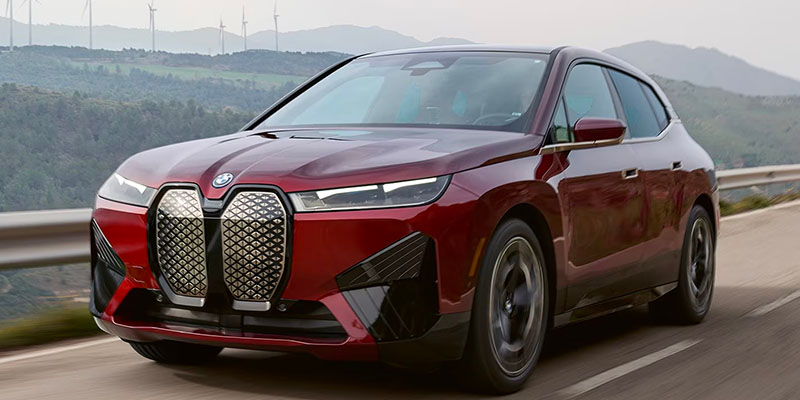
For Orange Park, Jacksonville drivers, understanding how these systems work in real-world Florida conditions helps set accurate expectations and improves daily confidence behind the wheel.
Active and Passive Safety Foundations
BMW safety begins with a layered approach that combines passive structural protection with active driver-assistance technologies.
Passive safety elements include:
- High-strength body structures designed to manage crash energy
- Strategically placed crumple zones
- Advanced airbag systems
- Reinforced passenger compartments
These systems operate continuously and form the foundation that allows active technologies to function effectively.
Sensor Architecture Behind BMW Driver Assistance
BMW driver-assistance systems rely on multiple sensor types working together to interpret the driving environment.
Key sensors include:
- Forward-facing cameras that detect lanes, traffic signs, and vehicles
- Radar units that monitor distance and closing speed
- Ultrasonic sensors used for close-range awareness
- Vehicle motion sensors tracking speed, yaw, and steering input
This sensor fusion allows BMW systems to respond predictably across a wide range of driving scenarios.
Adaptive Cruise Control for Highway and Traffic Conditions
Adaptive cruise control is designed to reduce driver workload during highway travel and congestion.
In Florida driving conditions, the system can:
- Maintain a set following distance in flowing traffic
- Adjust speed smoothly as traffic density changes
- Support stop-and-go situations on congested roadways
- Reduce fatigue during longer highway commutes
Radar-based distance monitoring allows the system to react gradually rather than abruptly, which is especially important during wet or low-visibility conditions.
Lane Assistance and Steering Support
Lane keeping and steering assistance help maintain vehicle position when road markings are visible.
Key behaviors include:
- Gentle steering corrections to maintain lane position
- Alerts when unintentional lane drift is detected
- Support during highway driving when conditions allow
In Florida, heavy rain or faded lane markings can affect system performance. BMW designs these systems to disengage smoothly when visual data becomes unreliable rather than forcing intervention.
Blind Spot Monitoring and Cross-Traffic Alerts
Blind spot monitoring supports situational awareness in dense traffic environments.
These systems:
- Monitor adjacent lanes using radar coverage
- Alert drivers to vehicles approaching from behind
- Support lane changes without replacing driver judgment
Rear cross-traffic alerts assist during low-speed maneuvers, such as backing out of parking spaces in busy areas.
Rain, Glare, and Environmental Limitations
Florida weather introduces specific challenges for driver-assistance systems.
Factors that influence performance include:
- Heavy rainfall affecting camera visibility
- Road spray obscuring sensor data
- Sun glare during early morning or late afternoon driving
- Standing water reducing tire grip regardless of assistance systems
BMW systems are designed to recognize these limitations and adjust behavior accordingly. Driver input remains essential during adverse conditions.
Braking and Stability Integration
BMW safety systems are closely integrated with braking and chassis control technologies.
This integration allows:
- Individual wheel braking to support stability
- Coordinated responses during emergency maneuvers
- Smooth intervention that preserves vehicle balance
- Predictable behavior rather than abrupt corrections
These characteristics are particularly valuable during sudden lane changes or evasive actions on wet roads.
SUV Safety Considerations
For BMW SUVs, safety extends beyond driver-assistance features to include vehicle structure and dynamics.
Important SUV safety elements include:
- Higher seating positions for improved visibility
- Structural reinforcement for passenger protection
- Advanced stability systems calibrated for larger vehicle mass
- Driver-assistance tuning aligned with SUV handling characteristics
This holistic approach supports confidence without compromising driving engagement.
Understanding System Limits
BMW driver-assistance technologies are support systems, not autonomous driving solutions.
Key limitations to understand:
- Systems do not reduce stopping distance
- Driver attention is always required
- Performance varies based on environmental conditions
- Technology supplements but does not replace safe driving practices
Recognizing these limits ensures the systems are used as intended.
Why This Matters for Orange Park Drivers
Orange Park, Jacksonville drivers encounter a mix of highway travel, suburban traffic, and weather variability. BMW safety and driver-assistance systems are engineered to support these conditions by reducing workload and improving situational awareness without removing driver control.
Ownership Perspective
BMW safety and driver-assistance technologies reflect an engineering-driven approach that prioritizes predictability, balance, and driver engagement. By integrating sensors, braking, and chassis systems into a cohesive safety strategy, BMW supports confident driving across Florida’s diverse road conditions. For Orange Park drivers, this approach delivers reassurance without sacrificing the connected driving experience BMW is known for.
Connect with us


