


BMW has built its reputation around a concept often described as driving dynamics. While many manufacturers focus primarily on comfort or raw power, BMW engineers its vehicles so that every system working beneath the body contributes to a balanced, predictable driving experience.
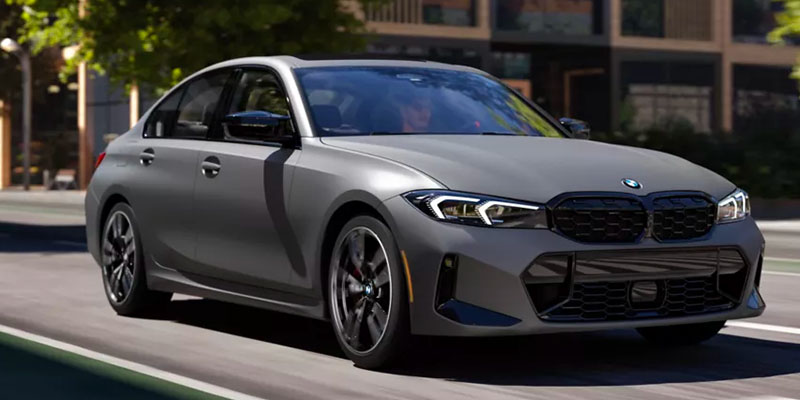
For shoppers researching the 2026 BMW 3 Series, one phrase appears repeatedly in reviews and buyer discussions: chassis balance. Understanding what that term actually means helps explain why BMW sedans continue to be compared against competitors when it comes to steering feel, cornering stability, and overall driver engagement.
What Chassis Balance Means in a Performance Sedan
Chassis balance refers to the way multiple mechanical systems work together to keep a vehicle stable and responsive while driving. Rather than relying on one component, balance is created by coordinating several elements of the vehicle’s design.
In a BMW sport sedan like the 2026 BMW 3 Series, chassis balance comes from the interaction of:
- Weight distribution across the front and rear axles
- Suspension geometry and damping control
- Steering calibration and feedback
- Drivetrain layout and power delivery
When these elements are tuned properly, the vehicle responds predictably to steering input. The car remains composed during braking, accelerating, and cornering because no single component is overwhelming the others.
This balanced system is what allows a BMW sedan to feel both stable at highway speeds and agile when navigating curves or changing lanes.
Why Rear Wheel Drive Plays a Role in BMW Handling
One of the most discussed aspects of BMW driving dynamics is the brand’s long history of using rear wheel drive as its primary drivetrain layout.
Rear wheel drive separates the responsibilities of the vehicle’s front and rear wheels. The front wheels focus on steering while the rear wheels deliver engine power to the road. This separation allows the front tires to concentrate on directional control rather than both steering and propulsion.
In practical driving terms, this layout can offer several advantages:
- Steering response tends to feel more precise because the front wheels are dedicated to directional control
- Weight transfer during acceleration helps stabilize the vehicle’s rear axle
- Corner exits often feel smoother and more controlled as power is applied through the rear wheels
In the 2026 BMW 3 Series, this configuration contributes to the composed cornering behavior that many drivers associate with the brand.
How Suspension Tuning Shapes Driving Dynamics
While drivetrain layout influences how power reaches the road, the suspension system plays a major role in determining how the vehicle manages motion.
Suspension components control how the car reacts to bumps, weight shifts, and rapid changes in direction. When tuned correctly, the suspension allows the tires to maintain consistent contact with the road surface, which is essential for both comfort and grip.
BMW engineers suspension systems to manage several aspects of vehicle behavior simultaneously:
- Body roll control during cornering
- Pitch control during braking and acceleration
- Damping response to absorb uneven road surfaces
- Stability during quick directional changes
In performance-oriented models and trims, adaptive suspension systems may adjust damping characteristics automatically. This allows the vehicle to remain comfortable during everyday commuting while becoming firmer and more responsive when driving conditions demand greater control.
For drivers, the result is a sedan that remains composed across different road conditions rather than feeling overly stiff or overly soft.
Steering Feel and Driver Feedback
Another important factor in BMW chassis balance is steering feedback. Steering systems are calibrated not only to change the direction of the vehicle but also to communicate information about road conditions back to the driver.
Well-tuned steering allows drivers to sense how much grip the front tires have while cornering or maneuvering through traffic. This communication helps drivers make small adjustments smoothly rather than reacting suddenly.
BMW vehicles have traditionally emphasized steering precision because it reinforces the connection between the driver and the road. In a sport sedan like the 2026 BMW 3 Series, that feedback contributes to a sense of control that many drivers describe as confidence behind the wheel.
How xDrive Changes the Driving Equation
While rear wheel drive remains central to BMW’s handling philosophy, many models also offer xDrive, BMW’s intelligent all wheel drive system.
xDrive constantly monitors traction at each wheel and can redistribute power between the front and rear axles when conditions change. This capability becomes particularly valuable in environments with:
- Rain or wet pavement
- Snow or icy roads
- Uneven traction surfaces
Instead of replacing BMW’s focus on balance, xDrive adds another layer of adaptability. The system maintains stability and traction when road conditions are less predictable while still preserving much of the responsive driving character that defines BMW sedans.
For buyers comparing configurations of the 2026 BMW 3 Series, drivetrain choice often comes down to priorities. Drivers in mild climates may prefer the traditional feel of rear wheel drive, while those facing winter conditions may appreciate the added confidence provided by xDrive.
Why the BMW 3 Series Is Often Considered a Benchmark
The BMW 3 Series has been referenced as a benchmark sport sedan for decades. That reputation exists not because of a single feature but because of the way the car integrates multiple performance characteristics into one cohesive driving experience.
The 2026 BMW 3 Series continues to represent this balance by combining:
- Precise steering feedback
- Well managed weight distribution
- Sophisticated suspension tuning
- Multiple drivetrain options suited to different driving environments
Instead of prioritizing only comfort or only performance, the 3 Series is engineered to deliver a blend of both. That balance is what allows the vehicle to function equally well as a daily commuter, highway cruiser, or engaging driver’s car.
For shoppers comparing sedans in this segment, understanding the mechanical principles behind BMW chassis balance can help explain why the driving experience often feels distinct.
Connect with us


