


Your BMW’s engine is in a very hot environment, and this heat is generated by the combustion of fuel and the constant movement of numerous engine components. The radiator is essential for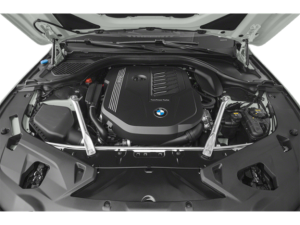 regulating the temperature of the engine, as takes in heat from the engine and exchanges it for cool air from the outside. Unfortunately, your radiator may one day fail and if it does your BMW dealer is the first and best choice for a radiator repair.
3 Signs You Could Use a Radiator Repair at Your BMW Dealer
Engine Temperature Is Too High
When your engine temperature starts to rise, a thermostat in your engine recognizes the change and reacts by releasing coolant into the system. This coolant helps to reduce the temperature by absorbing the engine’s heat and transporting it to the radiator. Inside the radiator, this heat is exchanged for cool air from outside your vehicle.
The process is fairly simple, and it continues to operate as long as your engine temperature is above a predetermined point set by BMWS’ designers. If your temperature gauge just goes up, this is a sign that there is potentially a problem with your radiator. We advise pulling over soon as you can, allowing your car engine to cool, and then calling our service center so we can find the cause of the problem.
A Damaged Water Pump
The water pump pumps the coolant from the coolant reservoir through the cooling system to absorb the extra heat. The pump can wear out just like any other mechanical component, and if it fails it won’t circulate coolant. If the supply of coolant is suddenly cut off, your engine temperature will automatically increase. A consistently high engine temperature can cause serious, and possibly permanent, damage to your engine.
A Coolant Leak
Liquid under your car can be a sign of a problem, or it may be nothing more than the condensation from your AC system. If the liquid is water, it’s most likely just condensation from your AC system, but if it’s pink, green, or yellow it means that you have a coolant leak. If the leak continues, the pressure in the cooling system will drop, and with less coolant, the engine temperature will start to rise.
One of the most common sources of a coolant leak is the radiator. A radiator is made from metal and plastic, and plastic is far more fragile than metal. The radiator is exposed to great heat and high pressure on a daily basis, and in time it can suffer damage. A hose, for example, can spring a leak, or the seal around the radiator cap can shrink, and either of these can result in a coolant leak.
A radiator is vital for your engine to operate smoothly and effectively. To protect your engine against overheating, call us immediately at Tom Bush BMW Orange Park if you have any radiator issues. Our highly-skilled technicians will investigate, and if there’s a problem we’ll fix it right away.
Connect with us


