


BMW 3 Series vs Audi A4 Comparison
BMW 3 Series vs Audi A4 comparisons usually begin with horsepower numbers, yet the larger differences appear through steering calibration, suspension tuning, and how each sedan responds during everyday driving situations. Both compact luxury sedans target drivers who want strong acceleration, upscale cabin design, and composed highway travel, though each manufacturer approaches driving dynamics with a very different philosophy. BMW focuses heavily on chassis balance and directional connection, while Audi prioritizes traction stability and smoother body movement across changing pavement surfaces. Understanding how those differences shape commuting, cornering, highway travel, and steering response gives buyers a clearer picture of which sedan fits their driving priorities more naturally.

BMW and Audi Tune Suspension Movement Very Differently
Suspension tuning shapes how a sedan reacts during braking, cornering, lane changes, and uneven pavement transitions. The BMW 3 Series uses a chassis setup that emphasizes sharper directional rotation and tighter body control during steering input. Audi calibrates the A4 with smoother damping transitions and steadier vertical movement across rough surfaces.
The difference becomes noticeable during quick directional changes. A BMW 330i settles faster after corner entry because the suspension limits excess body lean and weight transfer movement more aggressively. The Audi A4 absorbs pavement imperfections with softer body motion, creating a calmer ride character during commuting and interstate travel.
BMW also places strong emphasis on rear wheel balance throughout the chassis structure. That rear biased layout changes how the sedan rotates through corners and responds during throttle application exiting a turn. Audi approaches chassis tuning differently by stabilizing the platform through flatter, steadier movement patterns that feel more planted across uneven pavement.
Key suspension differences include:
Read the rest of this entry »Comparing the BMW X1 and Lexus UX is not just about choosing between two compact luxury SUVs. It is about understanding how each vehicle is engineered to deliver a different type of driving experience. While both compete in the same segment, they approach performance, efficiency, space, and usability through completely different systems.
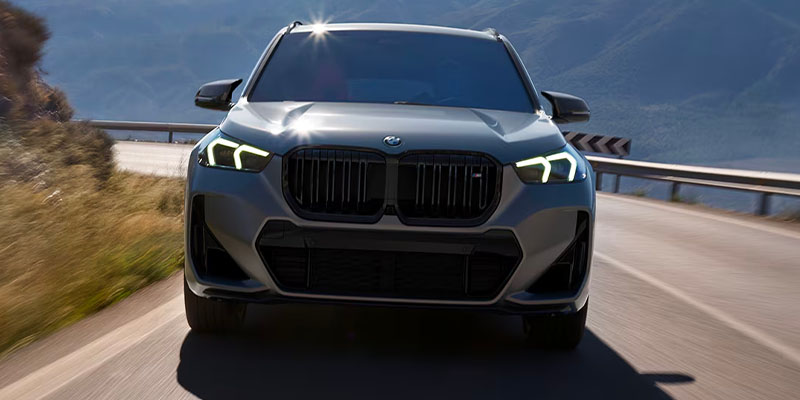
For shoppers evaluating these two vehicles, the decision comes down to how those systems work, how they influence daily driving, and which one aligns with how you actually use your vehicle.
Is the BMW X1 better than the Lexus UX
The BMW X1 and Lexus UX differ most significantly in how their powertrains deliver performance. The BMW X1 uses a turbocharged engine paired with an available xDrive all wheel drive system, while the Lexus UX relies heavily on a hybrid system designed to prioritize efficiency.
A turbocharged engine increases power by forcing more air into the combustion process, allowing the BMW X1 to produce stronger acceleration and more immediate throttle response. This creates a driving experience that feels more responsive, particularly during merging and highway driving.
The Lexus UX hybrid system combines a gasoline engine with electric motors. This setup improves fuel efficiency by reducing reliance on the engine during low speed driving and optimizing energy use. However, the tradeoff is that power delivery is more gradual and less immediate under acceleration.
From a system perspective:
Read the rest of this entry »Choosing between OEM and aftermarket parts for a BMW is not just a pricing decision. It is a system-level choice that affects how the vehicle performs, how components interact, and how reliably the vehicle operates over time. BMW vehicles are engineered with tightly integrated systems, meaning each part is designed to function within specific tolerances and communication networks.
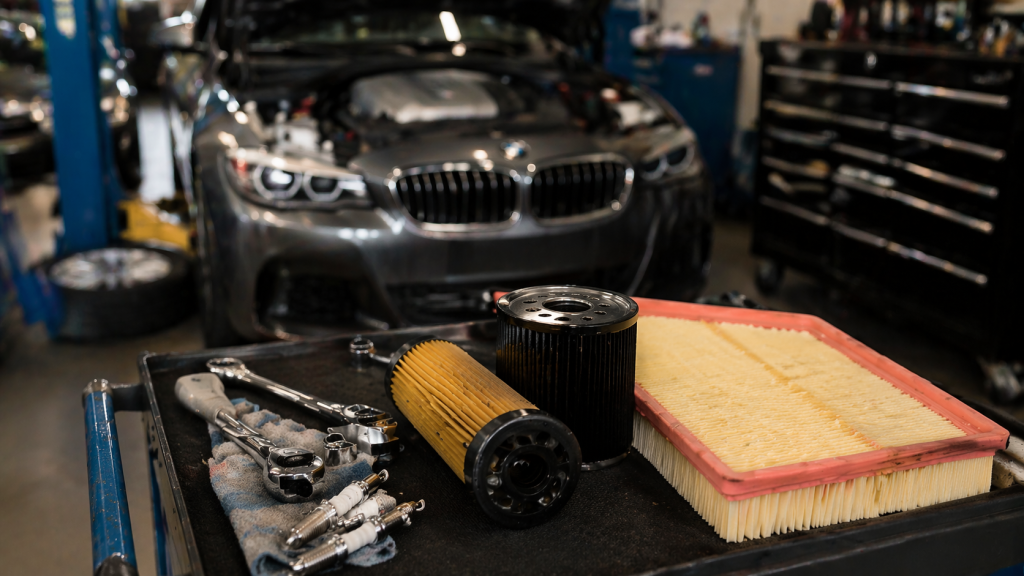
Understanding the difference between OEM and aftermarket parts requires looking at how those parts are built, how they interact with the vehicle, and what that means for long-term ownership.
Are OEM BMW parts better than aftermarket
OEM BMW parts are components designed and manufactured to match the exact specifications of the vehicle’s original systems. These parts are engineered to integrate directly with BMW’s mechanical and electronic architecture, ensuring consistent performance and compatibility.
At a system level, BMW designs components to work together with precise tolerances. This includes how parts fit physically, how they respond under load, and how they communicate with onboard systems. OEM parts are built to meet these exact requirements.
For example, a BMW sensor or electronic component must:
Read the rest of this entry »A BMW oil change is not just a routine fluid replacement. It is part of a system designed to maintain engine performance, manage internal wear, and support long-term reliability. For many owners, the cost of a dealership oil change raises an immediate question. Why is it higher than a standard oil service, and what are you actually paying for.

The answer comes down to how BMW engines are designed, the type of oil they require, and the process used to ensure the system continues to operate as intended. Understanding these factors allows you to evaluate the cost based on function rather than perception.
Why does a BMW oil change cost more
A BMW oil change costs more because the engine system is built around higher performance tolerances that require specific oil formulations, controlled service procedures, and precision monitoring. BMW engines, particularly turbocharged models, operate under higher temperatures and pressures than standard engines. This creates greater demand on the oil to maintain viscosity, resist breakdown, and protect internal components.
Synthetic oil used in BMW vehicles is engineered to handle:
Read the rest of this entry »BMW lease payments are not arbitrary numbers. They are calculated using a structured financial model that determines how much of the vehicle’s value you are using, how that usage is financed, and how risk is distributed over the lease term. For shoppers comparing BMW lease offers, understanding this structure is what turns a monthly payment into something you can evaluate, not just accept.

Every BMW lease through BMW Financial Services is built from three core components: depreciation, financing cost, and lease terms. Each of these interacts to determine your monthly payment, which is why similar vehicles can produce very different lease costs depending on how the deal is structured.
How are BMW lease payments calculated
A BMW lease payment is calculated by combining the cost of depreciation with the financing charge applied over the lease term. Depreciation represents the portion of the vehicle’s value you use during the lease, while the financing charge reflects the cost of borrowing the vehicle.
The structure works by starting with the vehicle’s negotiated price and subtracting its projected value at the end of the lease. That difference becomes the depreciation portion of the payment.
At a system level, the calculation includes:
Read the rest of this entry »Modern vehicles are increasingly defined by how drivers interact with technology inside the cabin. For BMW, the digital cockpit is not simply a place to display navigation or media information. It functions as a central interface that connects vehicle systems, driver information, and connected services into one integrated environment.
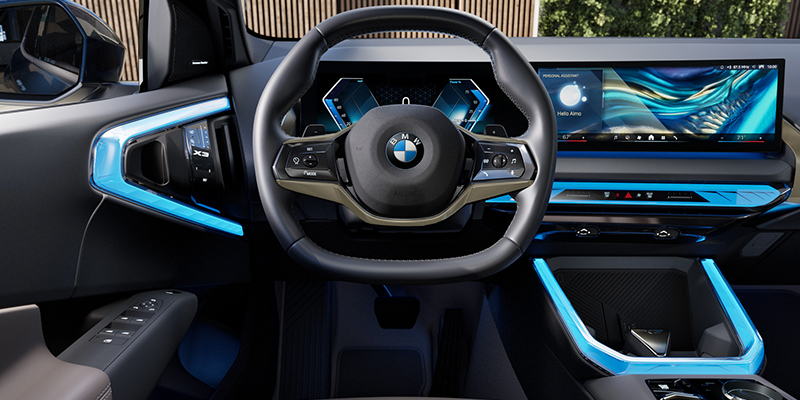
Shoppers researching BMW vehicles often notice the BMW Curved Display, a distinctive panoramic screen that stretches across the dashboard. While the visual design stands out immediately, the real purpose of the system is to organize critical driving information in a way that keeps drivers informed while maintaining focus on the road. Understanding how the BMW digital cockpit works helps explain why it has become a defining feature across the BMW lineup.
How the BMW Curved Display Organizes Driver Information
Many shoppers ask what the BMW Curved Display actually does beyond replacing traditional gauges. The BMW Curved Display is a panoramic digital interface that combines the instrument cluster and infotainment screen into a single driver oriented display system.
In BMW vehicles equipped with this technology, the display is divided into two functional areas. The portion directly in front of the driver acts as the digital instrument cluster, while the center portion serves as the primary infotainment and control interface.
This layout allows drivers to access several types of information simultaneously:
Read the rest of this entry »BMW has built its reputation around a concept often described as driving dynamics. While many manufacturers focus primarily on comfort or raw power, BMW engineers its vehicles so that every system working beneath the body contributes to a balanced, predictable driving experience.
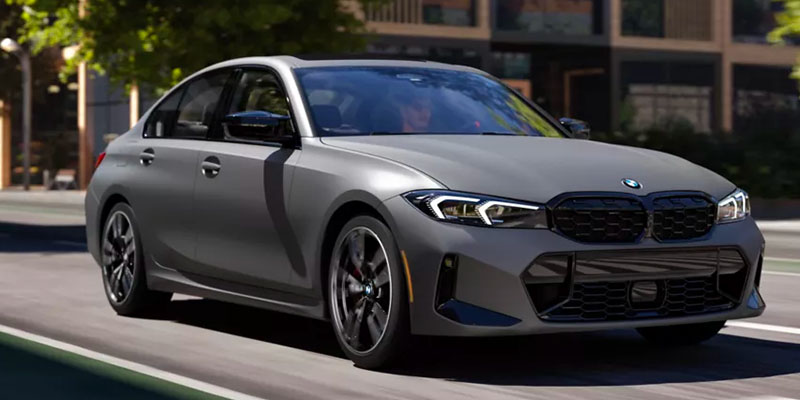
For shoppers researching the 2026 BMW 3 Series, one phrase appears repeatedly in reviews and buyer discussions: chassis balance. Understanding what that term actually means helps explain why BMW sedans continue to be compared against competitors when it comes to steering feel, cornering stability, and overall driver engagement.
What Chassis Balance Means in a Performance Sedan
Chassis balance refers to the way multiple mechanical systems work together to keep a vehicle stable and responsive while driving. Rather than relying on one component, balance is created by coordinating several elements of the vehicle’s design.
In a BMW sport sedan like the 2026 BMW 3 Series, chassis balance comes from the interaction of:
Read the rest of this entry »Driver assistance technology has evolved quickly in recent years, and one feature that many drivers now expect in a new vehicle is adaptive cruise control. Traditional cruise control has existed for decades, helping drivers maintain a steady speed on long highway drives. Adaptive cruise control builds on that idea by allowing the vehicle to automatically adjust speed based on surrounding traffic.

Instead of simply holding a constant speed, adaptive cruise control monitors the road ahead and responds to changing traffic conditions. The system can slow the vehicle when traffic slows and accelerate again when the lane clears. This helps reduce driver fatigue during highway travel and adds an additional layer of safety by maintaining a consistent following distance.
Understanding how adaptive cruise control works helps drivers see why this technology has become a core part of modern vehicle design.
How Traditional Cruise Control Works
Traditional cruise control focuses on one task: maintaining a set speed. When a driver activates cruise control and selects a speed, the vehicle’s engine control system automatically manages throttle input to keep the vehicle traveling at that speed.
This works well when traffic conditions remain consistent. However, it has a major limitation in real world driving situations.
Read the rest of this entry »Leasing is one of the most common ways drivers experience a new BMW. Many shoppers researching BMW lease options want to understand how the process works, why lease payments vary between vehicles, and what happens when the lease term ends. Unlike traditional financing, leasing focuses on paying for the vehicle’s expected depreciation during the time you drive it rather than the full purchase price of the vehicle.

For drivers exploring the 2026 BMW lineup, leasing allows access to BMW engineering, technology, and performance while maintaining flexibility when the lease term is complete. Understanding how BMW lease structures work helps shoppers evaluate monthly costs, mileage allowances, and long term ownership options before deciding whether leasing aligns with their driving habits.
How BMW Leasing Works
Many drivers researching BMW lease payments ask how leasing actually determines the monthly cost of driving the vehicle. Leasing is a financing structure that allows drivers to pay for the portion of the vehicle’s value that is used during the lease term rather than purchasing the entire vehicle.
A typical BMW lease is structured around several key components that influence the monthly payment:
Read the rest of this entry »BMW interior design is driven by function before appearance. Every surface, control, and material choice is engineered to support driving confidence, comfort, and long term usability rather than visual impact alone. For shoppers evaluating BMW interiors, especially in larger SUVs and three row configurations, understanding the intent behind the design explains why BMW cabins feel different over time, not just at first glance.

Interior craft at BMW is an extension of vehicle engineering. The cabin is treated as a working environment where ergonomics, durability, and driver awareness matter as much as aesthetics.
The Driver Focused Design Philosophy
BMW interiors are built around a driver centered cockpit layout. This philosophy prioritizes control access, sightlines, and feedback rather than symmetrical design for its own sake.
Key principles include:
- Controls angled toward the driver for reduced reach
- Clear separation between driving functions and comfort settings
- Instrument placement that minimizes eye movement
- Logical grouping of frequently used controls
This layout reduces cognitive load while driving, especially at speed or in complex traffic environments.
Read the rest of this entry »Connect with us


