


BMW’s approach to electrification is not built around replacing traditional driving with software driven behavior. It is engineered to expand how power is delivered while preserving the mechanical balance and responsiveness that define the brand. For shoppers evaluating 2026 BMW models, especially sedans and performance oriented platforms, understanding how BMW plug in hybrid systems actually function in daily use is essential to making a confident decision.
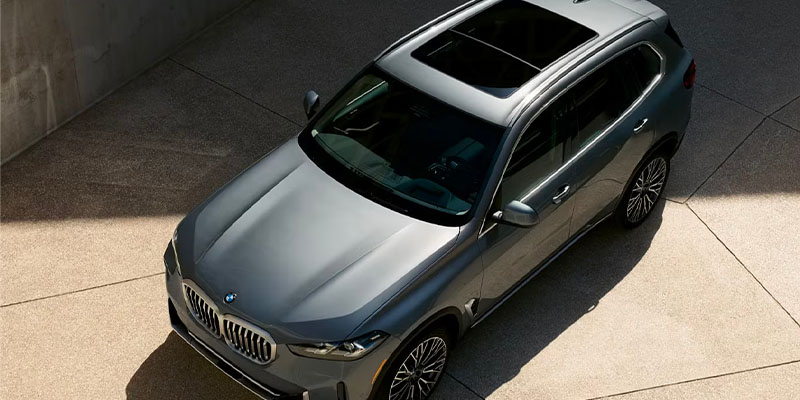
Electrification within BMW is modular by design. Gasoline engines, plug in hybrid systems, and fully electric drivetrains coexist on shared platforms, allowing each system to serve a specific driving purpose rather than forcing a single solution across all models.
BMW’s Electrification Strategy Explained
BMW does not treat electrification as a one size solution. Instead, the brand integrates electric components where they improve efficiency and response without undermining vehicle dynamics.
Key principles behind BMW electrification include:
- Retaining mechanical drivetrains where they deliver consistency and range
- Using electric motors to enhance torque delivery and efficiency
- Allowing drivers to benefit from electrification without lifestyle disruption
- Preserving weight balance and steering feedback
This strategy allows plug in hybrid models to operate seamlessly alongside traditional sedans rather than feeling like transitional products.
How BMW Plug In Hybrid Systems Work
A BMW plug in hybrid combines three core systems into a single coordinated powertrain.
- Electric motor
Provides propulsion during low speed driving and assists during acceleration. - High voltage battery
Stores energy from external charging and regenerative braking. - Combustion engine
Supplies sustained power when demand exceeds electric efficiency or battery charge is low.
The vehicle continuously manages how these systems interact. Drivers are not required to manually control power source selection during normal driving.
Daily Driving Behavior in Real Conditions
Plug in hybrid BMWs are designed around real world commuting rather than laboratory driving cycles.
During typical daily use:
- Short trips and city driving often occur on electric power
- Stop and go traffic favors electric propulsion and regeneration
- Light throttle inputs prioritize efficiency
- Smooth torque delivery reduces the need for engine engagement
At higher speeds or under heavier load, the combustion engine engages automatically. The transition is calibrated to feel natural rather than abrupt.
What Happens When Electric Range Is Used
A common concern among shoppers is battery depletion. BMW plug in hybrids are designed so that running out of electric range does not change usability.
When the battery reaches a low state:
- The vehicle transitions into hybrid operation
- The combustion engine becomes the primary power source
- Electric assistance remains available for acceleration
- Fuel efficiency stays higher than non hybrid equivalents
There is no requirement to recharge immediately. The vehicle continues operating normally, removing range anxiety from daily ownership.
Charging Habits and Ownership Reality
Charging frequency directly affects how much electric driving a plug in hybrid delivers, but charging is not mandatory for operation.
Drivers who charge regularly experience:
- Greater electric only mileage
- Reduced fuel consumption
- Quieter daily driving
- Less engine runtime
Drivers who charge less frequently still benefit from:
- Regenerative braking energy recovery
- Electric torque assistance
- Improved efficiency during city driving
Home charging remains the most practical solution. Overnight charging aligns naturally with daily routines, especially for sedan owners with predictable schedules.
Regenerative Braking and Driving Feel
BMW calibrates regenerative braking to maintain familiar pedal feel. Unlike systems that rely heavily on aggressive deceleration, BMW prioritizes consistency.
During deceleration:
- The electric motor recaptures kinetic energy
- Energy is stored back into the battery
- Mechanical brakes engage progressively
- Pedal response remains linear
Drivers may notice slightly increased deceleration when lifting off the accelerator, particularly in traffic. This is the system converting motion into stored energy rather than free coasting.
Electrification in BMW Sedans
For sedan shoppers, electrification often raises concerns about weight, handling, and driving character. BMW addresses these concerns through careful system integration.
Electrified sedans benefit from:
- Instant torque improving responsiveness
- Lower engine load during cruising
- Improved balance through strategic component placement
- Preserved steering feel and chassis feedback
Rather than softening performance, electrification supports smoother power delivery and more efficient daily operation without sacrificing engagement.
Reliability and Long Term Confidence
BMW plug in hybrid systems are engineered to operate across varied conditions without placing additional responsibility on the driver.
Design considerations include:
- Thermal management for battery longevity
- Redundant system monitoring
- Automatic power blending logic
- Diagnostic integration across power sources
The system is designed to adapt, not require constant oversight.
What Shoppers Should Evaluate
Before choosing an electrified BMW, shoppers should consider:
- Daily driving distance
- Access to home charging
- Balance between city and highway use
- Preference for efficiency versus extended range
Plug in hybrids reward consistent routines but remain flexible enough to support unpredictable schedules.
The BMW Approach to Electrified Driving
BMW electrification is about expanding capability rather than redefining driving. Plug in hybrid systems support efficiency, responsiveness, and usability without demanding behavioral change.
For 2026 BMW models, electrification functions as an enhancement layered onto established engineering principles. That balance reflects the broader philosophy of BMW and explains why plug in hybrid systems continue to resonate with drivers who value both technology and driving confidence.
Connect with us


