


Comparing the BMW X1 and Lexus UX is not just about choosing between two compact luxury SUVs. It is about understanding how each vehicle is engineered to deliver a different type of driving experience. While both compete in the same segment, they approach performance, efficiency, space, and usability through completely different systems.
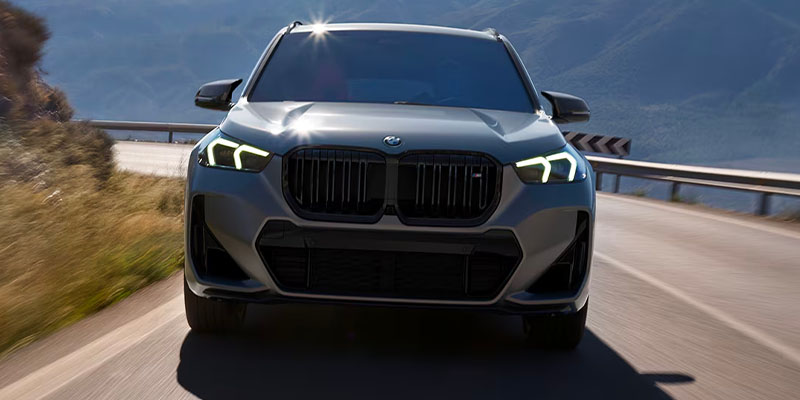
For shoppers evaluating these two vehicles, the decision comes down to how those systems work, how they influence daily driving, and which one aligns with how you actually use your vehicle.
Is the BMW X1 better than the Lexus UX
The BMW X1 and Lexus UX differ most significantly in how their powertrains deliver performance. The BMW X1 uses a turbocharged engine paired with an available xDrive all wheel drive system, while the Lexus UX relies heavily on a hybrid system designed to prioritize efficiency.
A turbocharged engine increases power by forcing more air into the combustion process, allowing the BMW X1 to produce stronger acceleration and more immediate throttle response. This creates a driving experience that feels more responsive, particularly during merging and highway driving.
The Lexus UX hybrid system combines a gasoline engine with electric motors. This setup improves fuel efficiency by reducing reliance on the engine during low speed driving and optimizing energy use. However, the tradeoff is that power delivery is more gradual and less immediate under acceleration.
From a system perspective:
- BMW X1 turbocharged system emphasizes responsiveness and acceleration
- Lexus UX hybrid system emphasizes efficiency and smooth power delivery
In real-world driving, this means:
- BMW X1 feels more engaging when accelerating or navigating open roads
- Lexus UX feels more controlled and efficient in stop and go traffic
For drivers who prioritize performance and responsiveness, the BMW X1 delivers a more dynamic experience. For those focused on efficiency and smooth operation, the Lexus UX aligns with those priorities.
Interior space and platform design impact
Interior space is determined by how the vehicle platform is designed, not just overall size. The BMW X1 is built on a platform that maximizes cabin and cargo space by optimizing how components are arranged within the vehicle structure.
Platform design influences:
- Passenger legroom and headroom
- Cargo capacity and accessibility
- Overall interior layout efficiency
The BMW X1 uses a design that prioritizes usable space, allowing for more flexibility in seating and cargo configurations. This results in a more open cabin and greater practicality for daily use.
The Lexus UX, while compact and efficient, is built with a stronger focus on exterior proportions and hybrid system packaging. The inclusion of hybrid components can influence how space is distributed within the vehicle, often limiting cargo capacity compared to non hybrid designs.
In practical terms:
- BMW X1 provides more usable cargo space and passenger room
- Lexus UX offers a more compact footprint with less interior flexibility
For daily driving, this difference becomes important when carrying passengers, transporting cargo, or adapting to changing needs.
Ride comfort and efficiency differences
Ride comfort and efficiency are shaped by suspension tuning and powertrain design. The BMW X1 and Lexus UX approach these areas with different priorities.
BMW tunes the X1 suspension to balance comfort with responsiveness. This creates a ride that maintains control during cornering while still absorbing road imperfections. The focus is on delivering a connected driving experience without sacrificing usability.
The Lexus UX prioritizes comfort and efficiency through its hybrid system and suspension setup. The hybrid powertrain reduces engine noise at lower speeds, contributing to a quieter driving experience. Suspension tuning is designed to absorb road imperfections and provide a smoother ride.
From a system perspective:
- BMW X1 balances comfort with performance-oriented handling
- Lexus UX emphasizes smoothness and fuel efficiency
In real-world conditions:
- BMW X1 offers more control during highway driving and directional changes
- Lexus UX provides a quieter and more relaxed experience in urban environments
For drivers, the choice depends on whether you value engagement or comfort during everyday driving.
Which compact luxury SUV is better for daily driving
Daily usability is determined by how easily a vehicle integrates into your routine. The BMW X1 and Lexus UX offer different strengths based on their design and technology.
The BMW X1 focuses on driver interaction and control. Its infotainment system and layout are designed to provide structured access to features, allowing drivers to manage settings with minimal distraction.
The Lexus UX emphasizes simplicity and efficiency. Its systems are designed to operate seamlessly, with a focus on reducing complexity and supporting a relaxed driving experience.
Key usability considerations include:
- How intuitive the infotainment system is
- How easily controls can be accessed while driving
- How the vehicle adapts to different driving environments
From a practical standpoint:
- BMW X1 suits drivers who want a more engaged and controlled experience
- Lexus UX suits drivers who prefer simplicity and ease of use
For shoppers, the decision comes down to how the vehicle fits into daily life. Performance, space, efficiency, and usability all contribute to how the vehicle feels over time. Understanding how each system works provides clarity, allowing you to choose the SUV that aligns with your priorities rather than relying on surface-level comparisons.
Connect with us


