
Blog / Jacksonville BMW Dealer

Blog

All Jacksonville BMW Dealer Tom Bush BMW Orange Park Things To Do In Jacksonville Jacksonville BMW Service Jacksonville Amenities Jacksonville Luxury Cars Tom Bush BMW Orange Park Service Jacksonville Entertainment Jacksonville Used Cars Tom Bush Family of Dealerships Jacksonville Restaurants Jacksonville Eateries Jacksonville Parks Family Fun in Jacksonville Jacksonville Landmarks Orange Park Florida BMW Dealer Day Trips Jacksonville Art Jacksonville Foodies Jacksonville Road Trips Orange Park BMW Dealer Orange Park Florida BMW Service Tourists Fun
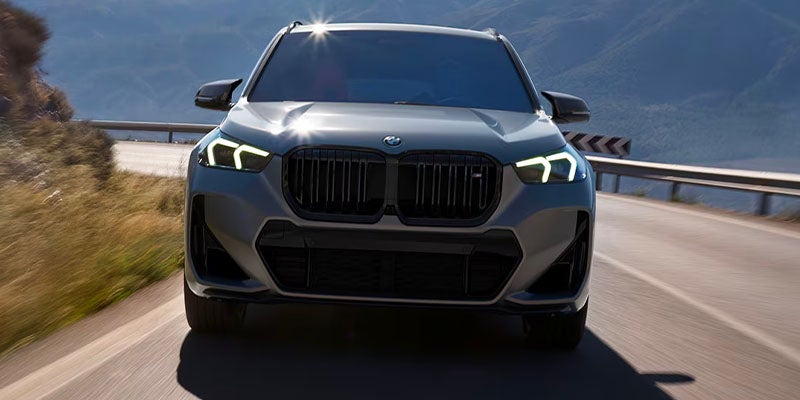
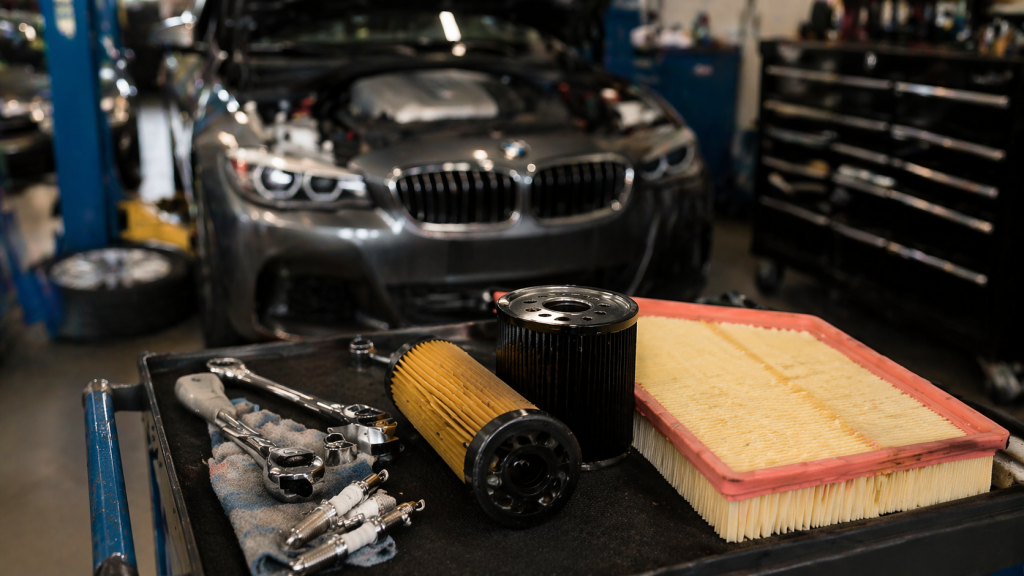
BMW Roadside Assistance services, including emergency support and towing

BMW Roadside Assistance: Coverage, Contact Steps, and What to Prepare

BMW Roadside Assistance: Coverage, Contact Steps, and What to Prepare BMW Roadside Assistance is a program designed to help eligible BMW owners when a vehicle becomes disabled or an unexpected roadside issue interrupts a trip. Available services and eligibility depend on the vehicle and current program terms. Before relying on a particular benefit, confirm coverage through BMW’s current documentation or an authorized BMW representative. What Does it Include? BMW Roadside Assistance includes, but is not limited to, the following services: • Battery jump starts • Delivery of driver-paid fuel or operating fluids • Tire changes • Lock-out services If your vehicle is disabled due to mechanical issues, hazard damage, or accident, BMW Roadside Assistance will provide towing service to the nearest authorized BMW Center. When to Seek Roadside Help If your vehicle will not start, has a tire problem, or another condition that makes driving unsafe, you should call for roadside support. The assistance offered for each situation can vary. If the vehicle is still safely operable, a dealership service appointment may be the more appropriate next step. How to Contact Support Trained BMW Roadside Agents are available 24 hours a day, 365 days a year, through these convenient contact options: • Call 1-800-332-4BMW (800-332-4269) • Select BMW Roadside Assistance from the BMW Assist menu of ConnectedDrive, or with the BMW Connected app. • With a valid BMW ConnectedDrive subscriber agreement, pressing your vehicle's BMW Assist SOS button For non-emergency questions, email [email protected]. When you connect with an assistance representative, explain the vehicle’s condition, your location, and any immediate safety concerns. Follow their instructions about whether to remain with the vehicle and whe n help will arrive. Information to Have Ready Before calling, gather your VIN, model and model year, license plate, callback number, and a precise description of your location. Be prepared to explain warning messages, if the vehicle starts, and if it can be moved safely. If possible, identify a nearby road marker, business, or cross street. Keep your phone charged and let the representative know about passengers, mobility needs, or a hazardous stopping location. Safety Comes Before Service If you are stopped in a dangerous location, prioritize moving to safety only when it can be done without additional risk. Use hazard lights as appropriate and follow local roadway safety guidance. For a collision, fire, medical emergency, or immediate threat to people, call emergency services first. Roadside assistance is not a substitute for police, fire, or medical response. Is BMW Roadside Assistance Included With the Purchase of a New BMW? Roadside assistance is typically included for a limited period with new BMW vehicles, but coverage duration and terms vary depending on your vehicle, model year, and location. Most new BMW models come with complimentary roadside assistance for 24- 36 months (or up to a certain mileage limit, typically 36,000 miles). For more information, contact your local BMW dealership for specific details about your vehicle, or call the BMW Roadside Assistance phone number in your vehicle's documentation. After Getting Assistance Once the vehicle is secure, ask what assistance was authorized and where it will be taken if transportation is required. Keep any case number and service paperwork. Tom Bush BMW Orange Park can help arrange follow-up diagnostics or repairs and clarify the next service appointment. For current roadside benefits, contact details, and eligibility, consult BMW’s official program information before making assumptions about coverage.
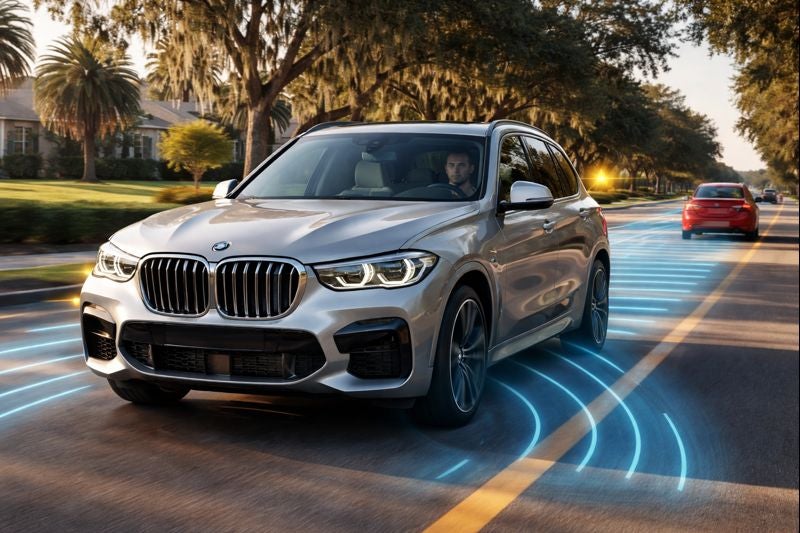
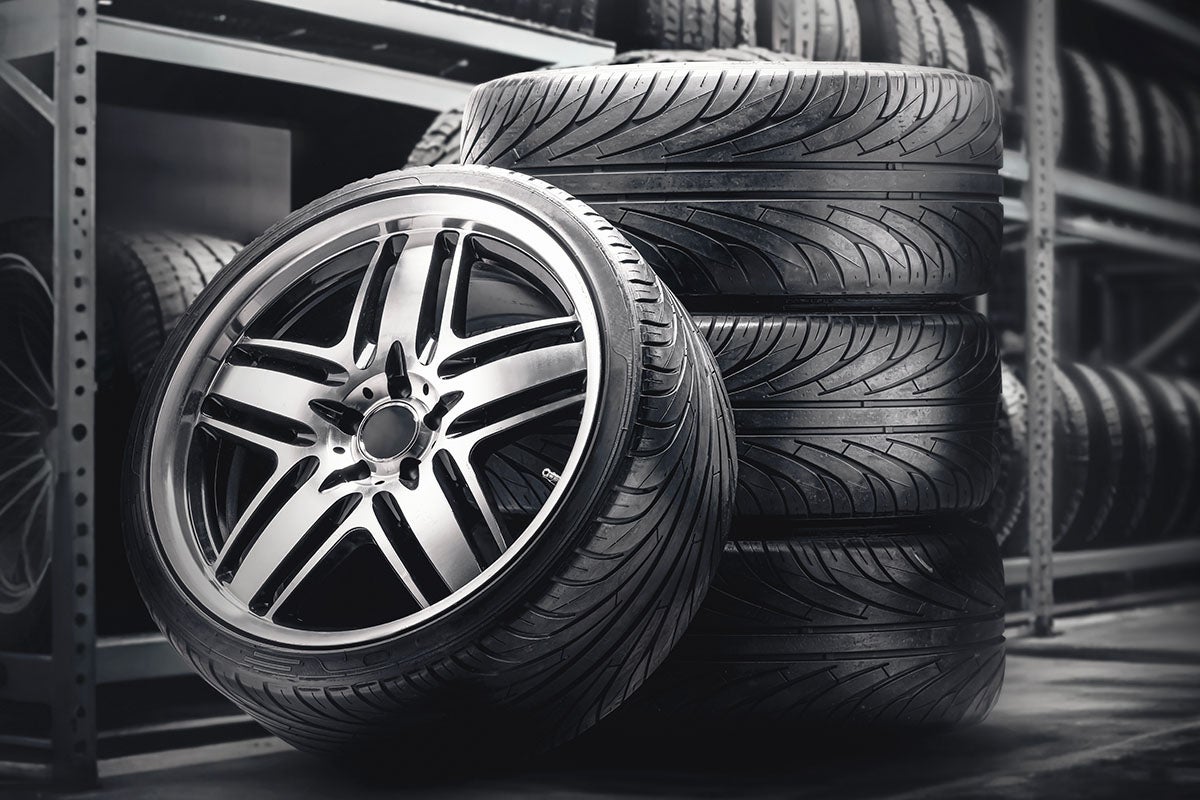
BMW tire pressure recommendations

BMW Tire Pressure and TPMS: What Orange Park Drivers Should Know

There isn’t a single tire pressure target that works for every BMW in Orange Park, FL. The right cold inflation pressure depends entirely on your exact model, your wheel and tire combination, and how much cargo or passenger weight you’re carrying. You can find your car's exact numbers on the tire pressure sticker located inside the driver's door jamb, as well as in your owner’s manual. Always follow those specific factory recommendations rather than the maximum pressure number stamped on the side of the rubber itself. Why Front and Rear Pressures Might Not Match If you notice the recommended pressures for your front and rear tires are different, don't worry— that's completely normal. Many BMW models carry weight differently across each axle, and many feature staggered setups where the rear wheels and tires are wider than the front. Just make sure the tires currently on your vehicle match the sizes listed on your door jamb sticker, especially if you've recently replaced your tires or upgraded your wheels. If you're ever unsure about your setup, a quick check with a BMW technician at Tom Bush BMW can give you the answers that you need. How North Florida Temperature Swings Affect Your Tires Living around Orange Park means generally warm to hot weather; the area can still have noticeable temperature shifts, and your tire pressure moves right along with the weather. On a cooler morning, you might suddenly see a low-pressure warning that wasn't there the afternoon before—simply because cold air causes pressure to drop. Always check and adjust your tires when they are cold (before you've driven more than a mile or two). If you've been driving down the highway and the tires are hot, avoid letting air out just to match the sticker on the door, as heat naturally builds up pressure while driving. Understanding Your TPMS Warnings Your BMW’s Tire Pressure Monitoring System (TPMS) is designed to keep an eye on your tires and alert you the moment inflation levels drop or the system detects an issue. Depending on your model and iDrive version, you might see exact real-time pressures for each tire or a general warning light on the dash. If a light comes on, use a reliable tire pressure gauge to check all four tires and top them off to the correct cold PSI. Once your pressures are set, remember to perform a quick TPMS reset through your iDrive menu so the system can store the new baseline. When to Get Professional Tire Service If a low-pressure light keeps coming back, a tire repeatedly loses air, or you notice sidewall damage, persistent vibration, or unusual handling, it's best to have it looked at right away. Continuing to drive on a severely underinflated tire can ruin the tire structure and compromise your control on the road. The team at Tom Bush BMW Orange Park can inspect your tires, wheels, and TPMS sensors, locate the cause of any leak, and help you determine whether a simple repair or a full replacement is the safest path forward.

BMW fuel requirements and recommended octane ratings

Does a BMW Require Higher-Octane Gasoline?

A BMW badge alone doesn't tell you the whole story about what gas you need to put into your tank in Orange Park, FL. Required fuel grades change depending on your BMW's exact model, engine type, and model year. The best place to double-check is right inside your fuel filler door— there’s a sticker right there listing your car’s needs—or in your owner’s manual. It is always worth verifying, especially if you recently switched from a different model or engine style. What Octane Ratings Mean Octane simply measures how well gasoline can withstand premature ignition, often called engine knocking. T hat’s the Anti-Knock Index (AKI) number you see on the pump buttons. It is easy to think that getting the highest-octane gas automatically gives your car extra power, but that isn't quite how it works. Engines are built to run best on specific fuel blends, so following what BMW recommends is far better than just grabbing the most expensive option. Understanding Recommended vs. Minimum Fuel Grades When you check your manual, you might notice two numbers: a recommended octane and a minimum allowed octane. The recommended grade is what helps your BMW hit its full potential for horsepower, fuel economy, and smooth engine performance. The minimum grade is the lowest threshold your engine can safely run on without risking long-term damage. While using the minimum grade can get you by in a pinch, sticking with the recommended fuel gives you the driving experience your car was engineered for. What to Do i f You Accidentally Use the Wrong Fuel If you accidentally put a lower grade of gas in your tank, don't panic. Just drive gently—avoid heavy acceleration, high speeds, or hauling heavy loads—until you use up enough gas to top off the tank with the correct fuel. If the engine starts running rough or a check engine light pops on, give a service department a call to be safe. However, if you accidentally put diesel into a gas BMW (or gas into a diesel), do not start the engine. Leaving the car off prevents the wrong fuel from circulating through your fuel lines and engine, which saves you from a much bigger repair headache. Have Questions? Ask the Experts at Tom Bush BMW Orange Park If you are ever unsure about which gas to use or need help after an accidental mix-up, our team at Tom Bush BMW Orange Park is always happy to help. Just give us a call with your VIN and model year, and we can look up your exact factory specs in seconds. Whether you need a quick answer or want to bring your car in for a checkup, we are here to make sure your BMW keeps running smoothly.

BMW Remote Engine Start feature and controls in a BMW vehicle

BMW Remote Start: How It Works and How to Check Compatibility

We all know that days in Jacksonville, FL can get hot. And even in a car as advanced as a BMW, it can take a second for your air conditioning to cool off your vehicle’s cabin. That’s why B MW remote start is such a great feature. On a compatible BMW, R emote S tart can start the engine before you enter the vehicle and begin preparing the cabin temperature. For Orange Park drivers facing warm weather, that convenience can make everything more comfortable when you get into your BMW. The feature is equipment-dependent, so the first step is confirming that your specific BMW supports it. Confirm Availability for Your BMW Look for Remote Start in the vehicle’s feature information, owner’s manual, and available settings. The VIN and model year help identify factory equipment and any compatible digital services. Some BMWs may support Remote Start only with certain software, hardware, or activation arrangements. Do not assume that a feature shown in an advertisement or demonstrated on another model is installed on your vehicle, always use the information that came with your specific BMW. Ways to Start a Compatible Vehicle Depending on the vehicle, a driver may be able to request Remote Start through the My BMW App or a supported vehicle-key function. Activation instructions, prerequisites, and operating limits differ. Follow the instructions supplied for your BMW, including requirements involving vehicle security, ventilation, and local idling rules. Never remotely start a gasoline-powered vehicle in an enclosed garage. Why the Option May Be Missing If Remote Start does not appear in the My BMW App, check if the vehicle is correctly associated with your account and if the feature is supported and active. Vehicle software, network connectivity, and service eligibility can affect access. If the feature appears but will not operate, check for messages and vehicle conditions identified in the manual. A missing menu option alone does not mean a component has failed. Get Help at Tom Bush BMW Orange Park Remote Start is a specific feature, separate from BMW Digital Key and broader ConnectedDrive functions. When contacting Tom Bush BMW Orange Park, have your VIN, model year, and a description of the problem ready. The team can help confirm compatibility and determine if a service inspection is appropriate. Explore new BMW inventory to compare available equipment, or contact the service department for assistance.

Build and Order a BMW With Tom Bush BMW Orange Park

Build and Order a BMW With Tom Bush BMW Orange Park

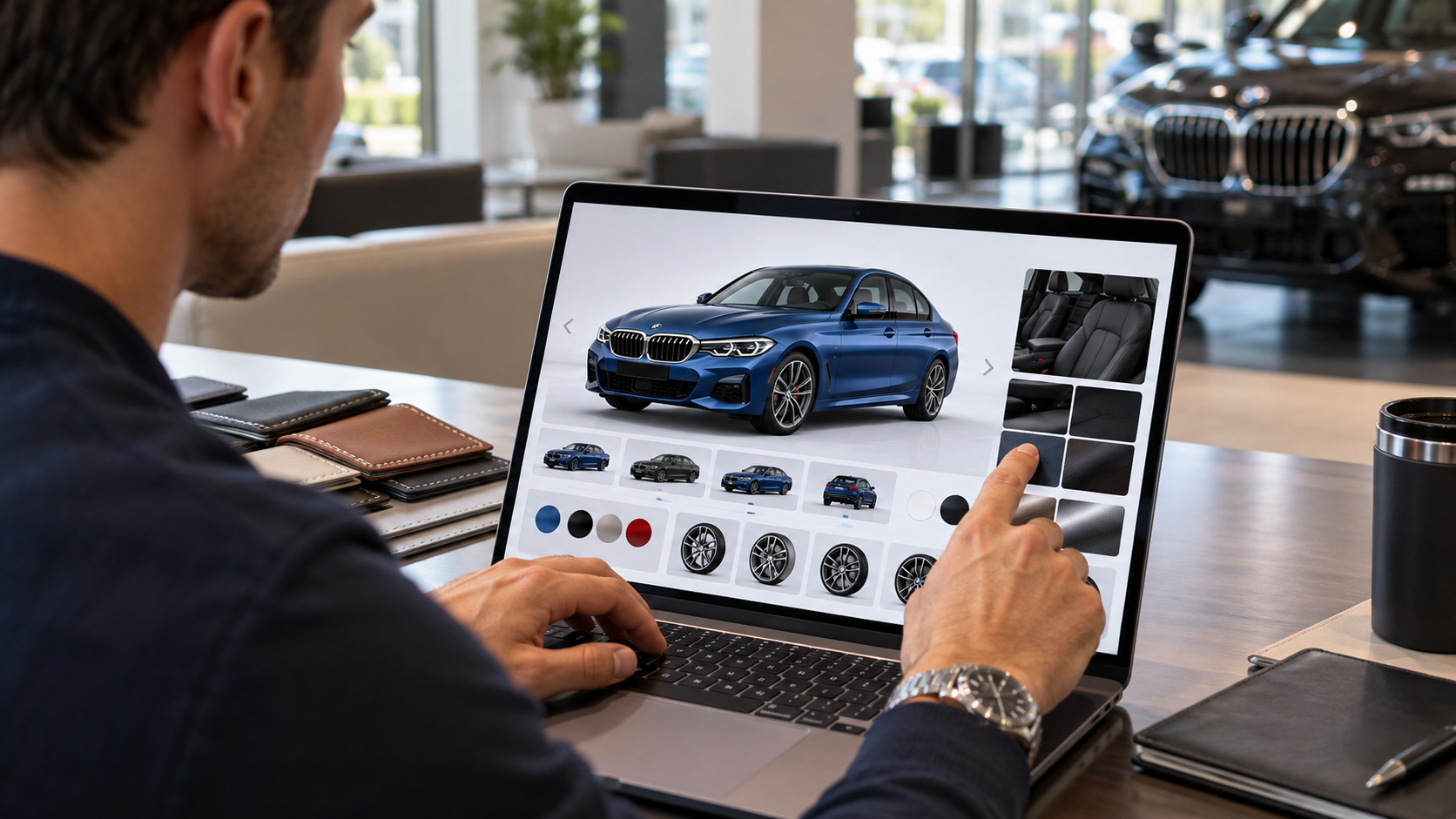
You can build and order a BMW by first defining the model, drivetrain, appearance, and equipment you want. Tom Bush BMW Orange Park can then review that preferred configuration against current inventory and available ordering paths. Therefore, the online build serves as a planning tool before the dealership confirms what can move forward. This approach keeps the process clear while avoiding assumptions about availability, timing, or final pricing. Where Do You Start When Building a BMW? Where do you start when building a BMW? Start with the BMW model and drivetrain because those choices shape the available configuration. A 3 Series, X5, i4, and X7 each begin with a different vehicle format. Therefore, the first decision should reflect your passenger, cargo, commute, and travel needs. Next, review the available drivetrain for the exact model. Some BMW models offer rear drive, xDrive, gasoline power, or electric propulsion. In addition, certain equipment choices may change with the selected drivetrain. That makes the drivetrain an early decision, not a final detail. After the vehicle foundation is clear, move into appearance and cabin selections. Keep a short list of the items you care about most. Mark the model and drivetrain as required choices before reviewing appearance items or optional equipment. Record the exterior color, wheel design, and interior trim combinations that you prefer for the selected model. Separate must have equipment from optional items so the dealership can compare your priorities with available vehicles. This list becomes useful when Tom Bush BMW Orange Park reviews inventory. It also makes later conversations more precise when several vehicles have similar equipment. Choose Colors Wheels Interiors and Packages BMW configuration tools let you work through exterior paint, wheels, upholstery, trim, packages, and other available selections. Can every selection be combined with every other choice? No, available combinations can change by model, drivetrain, package, and current BMW configuration rules. For this reason, build the vehicle in layers. Choose the exterior first, then review wheels and cabin materials. After that, examine packages and individual equipment. A package may add several related features together. It may also change which standalone choices remain available. Furthermore, BMW Individual choices can add another level of personalization on eligible models. Those selections still require confirmation for the exact vehicle. Therefore, a saved build should be treated as a preferred configuration until Tom Bush BMW Orange Park reviews it. As you move through each screen, note what matters most. A specific interior may matter more than a wheel design. Another shopper may care more about a technology package or seating feature. Keeping priorities ranked makes inventory matching easier later. The goal is to create a clear configuration that reflects your needs. It is not to assume every selected item is already available together. What Happens After You Build Your BMW? What happens after you build your BMW? Use the preferred configuration to review inventory and discuss availability with Tom Bush BMW Orange Park. Completing an online build does not mean a vehicle has been ordered. The dealership must still review the selected configuration and the available next step. Save the build details before contacting the dealership. If the tool provides a summary, keep that summary available for the conversation. Screenshots can also help when a specific color, wheel, interior, or package matters. Then bring the configuration into the dealership discussion. Ask whether a current vehicle already matches the required model, drivetrain, and major equipment. Review close matches that preserve your required items while changing only lower priority selections. If no suitable match exists, ask the dealership which ordering paths are available for that configuration. This step protects the distinction between a preferred build and confirmed vehicle availability. It also gives the dealership a defined list to review. Tom Bush BMW Orange Park can then explain what is currently available. The team can also discuss whether another path is appropriate without promising production or delivery timing. Compare Your Build With Current Inventory A preferred configuration gives you a useful filter for current BMW inventory. What if a similar vehicle is already available? Compare the available BMW against your required items before deciding whether another path is necessary. Start with the selections that shape the vehicle most. Model, drivetrain, seating, and major packages usually deserve the closest review. Then compare color, wheels, trim, and smaller options. This order keeps minor differences from outweighing larger priorities. In addition, inventory can change quickly. A vehicle shown online may sell before the next visit. Therefore, confirm current availability with Tom Bush BMW Orange Park before treating any listing as reserved. Current inventory may also reveal combinations you did not consider during the online build. Seeing the cabin materials or wheel design in person can change your preference. Still, keep your required items clear before making that adjustment. The Orange Park inventory path is the safest local next step while the local Build Your Own destination remains unavailable. Therefore, use current inventory and dealership contact options instead of a broken configuration page. Discuss Finance Lease and the Next Dealership Step Finance and lease planning should follow a clearer vehicle choice. When should you discuss payment structure? Begin once the model, major equipment, and likely inventory path are defined. BMW payment estimates can change when equipment changes the vehicle price. Therefore, an estimate created early in the process may change with the final configuration. Tom Bush BMW Orange Park can review available finance and lease paths after the vehicle discussion becomes more specific. Bring your preferred configuration, current inventory match, and payment questions into the same conversation. In addition, ask which figures are estimates and which figures apply to the selected vehicle. This keeps configuration research separate from confirmed transaction details. If a current BMW meets your priorities, the next step may move directly into a finance or lease discussion. If no suitable vehicle is available, the dealership can explain which other paths are currently open. A thoughtful build gives the conversation structure without creating a promise. Choose the BMW you want, rank the equipment that matters most, and review current Orange Park inventory. Then use Tom Bush BMW Orange Park to confirm availability, payment paths, and the next dealership step.

BMW 3 Series vs 5 Series

BMW 3 Series vs 5 Series Guide for Jacksonville Drivers

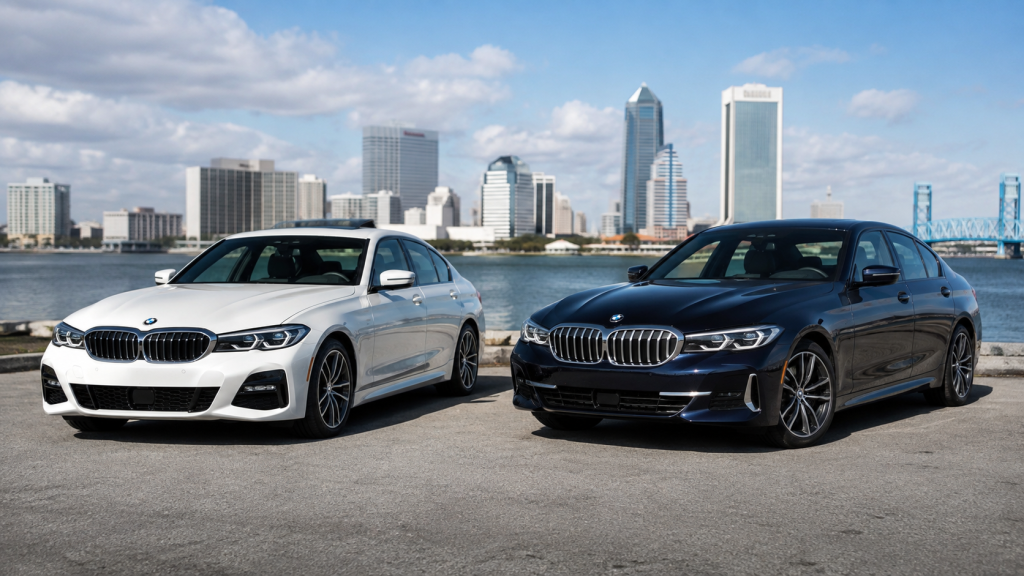
BMW 3 Series vs 5 Series decisions involve cabin space, trunk room, technology, and road response. Both sedans share familiar BMW design cues and current digital tools. However, their size, weight, and cabin proportions create two distinct paths for Orange Park and Jacksonville travel. The 3 Series keeps a smaller footprint that suits tight parking and busy streets. The 5 Series adds length, wheelbase, rear room, and trunk volume. Therefore, the choice should start with how much space you need and where you drive most. BMW 3 Series and 5 Series Size Comparison How much larger is the 5 Series? The current 530i measures 199.2 inches long, while the 330i measures 185.9 inches. That 13.3 inch gap is easy to notice in a garage or parking space. In addition, the 5 Series wheelbase stretches 117.9 inches. The 3 Series wheelbase measures 112.2 inches. Furthermore, a longer wheelbase gives designers more room between the front and rear axles. Therefore, cabin packaging can devote more space to rear passengers. The shorter 3 Series takes up less pavement, which can simplify tight parking near Jacksonville shops or offices. Comparison Chart 1 Measurement BMW 330i BMW 530i Length 185.9 inches 199.2 inches Width 71.9 inches 74.8 inches Wheelbase 112.2 inches 117.9 inches Curb weight 3,644 pounds 4,041 pounds Trunk volume 16.9 cubic feet 18.3 cubic feet Those numbers matter most when tied to your routine. If your garage is narrow, measure the space before choosing either sedan. If rear passengers ride with you frequently, the larger cabin deserves a closer look. Passenger Space Changes With Wheelbase Where does the extra wheelbase show inside the 5 Series? Much of it appears in the passenger compartment, particularly behind the front seats. Rear legroom measures about 35.2 inches in the 3 Series and 37 inches in the 5 Series. Therefore, adults riding in back may notice the extra room on longer trips. In addition, the difference can matter when front seats move rearward for taller occupants. The 3 Series still seats five and offers useful rear space for shorter trips. However, the 5 Series gives the second row more breathing room. That can matter for families, coworkers, or frequent airport runs. Seat comfort also comes from more than one measurement. Cushion shape, seatback angle, roof shape, and front seat position all change how the cabin feels. Therefore, sit in both rows during a test drive instead of relying only on specifications. Trunk Space for Commuting and Travel Which trunk gives you more room for travel? The 5 Series provides 18.3 cubic feet, while the 3 Series provides 16.9 cubic feet. The difference is 1.4 cubic feet. That is not a dramatic gap, but it can matter when several bags need to fit at once. A Jacksonville airport run may involve carry ons, larger luggage, and personal items in the same load. Furthermore, trunk shape matters too. A wide opening can make bulky bags easier to place, while usable depth changes how luggage stacks. Therefore, open both trunks and test the items you carry most. For daily commuting, either sedan can handle groceries, work bags, and smaller gear. Longer family travel gives the 5 Series more room before the trunk reaches its limit. 330i and 530i Driving Differences Why can two sedans with the same base horsepower feel different? Weight, wheelbase, steering calibration, and chassis tuning change how power reaches the road. The 330i and 530i both produce 255 horsepower and 295 pound feet of torque. However, the 530i weighs about 397 pounds more. In addition, the longer 5 Series places the axles farther apart. Comparison Chart 2 Specification BMW 330i BMW 530i Horsepower 255 255 Torque 295 pound feet 295 pound feet Transmission 8 speed automatic 8 speed automatic Drive layout Rear wheel drive Rear wheel drive Curb weight 3,644 pounds 4,041 pounds Zero to 60 mph 5.6 seconds 5.9 seconds The lighter 3 Series has less mass to move with the same base output. Therefore, it can feel quicker to react when changing direction. The longer 5 Series places more emphasis on cabin space and steady highway travel. A test drive should include slow streets, highway merging, and a few tighter turns. Those roads reveal more than acceleration data alone. Technology Across the Two Sedans What technology should you compare inside each sedan? Start with the interface, driver assistance options, display layout, and controls you use every day. Both current sedans use BMW Operating System 8.5. Therefore, core navigation, media, and connected functions follow a familiar digital structure. In addition, wireless Apple CarPlay and Android Auto appear across the current line. However, cabin design differs around that software. Screen placement, trim, available seating features, roof choices, and driver assistance packages vary by model and configuration. For this reason, compare the exact cars in stock instead of treating the software name as the whole cabin story. Pay attention to how quickly you can reach navigation, climate settings, camera views, and audio controls. In addition, check which assistance packages are installed on the specific sedan you plan to drive. Choosing the Right BMW Sedan for Your Routine Which sedan fits your Orange Park routine more closely? The answer starts with passenger needs, parking space, cargo demands, and the roads you travel most. Choose the 3 Series for a smaller exterior footprint and lower curb weight. Its dimensions fit drivers who want easier placement in tighter spaces. By contrast, the 5 Series gives rear passengers more room and adds trunk volume for longer travel. Before deciding, compare a few details in person: Sit in the rear seat with the front seat adjusted for your normal driving position. Load the trunk with the type of luggage, work gear, or family items you carry. Drive both sedans through city streets and highway traffic before comparing their road response. Tom Bush BMW Orange Park carries current BMW sedan inventory for shoppers near Orange Park and Jacksonville. A side by side test drive can make the differences easier to judge. From there, you can move into the separate comparison landing page or current inventory for the next step.

Florida SunCoast BMW CCA Guide for Orange Park Owners

Florida SunCoast BMW CCA connects regional BMW enthusiasts through chapter information, social gatherings, and shared owner activities. It is an official chapter of the BMW Car Club of America. Therefore, Orange Park owners can use its calendar to find Jacksonville area meetings, drives, and social events. The chapter and Tom Bush BMW Orange Park are separate organizations. The dealership does not enroll members or manage the club calendar. Instead, owners should confirm membership and event details through official BMW CCA and chapter resources. What Is the Florida SunCoast BMW CCA? The Florida SunCoast BMW CCA is a regional chapter of the BMW Car Club of America. BMW CCA supports local chapters across the country. Each chapter creates opportunities for members to meet, learn, and share their interest in BMW cars. The Florida SunCoast chapter serves members across a wide area of Florida. Moreover, its website organizes event information by location, including Jacksonville. That local category makes the chapter relevant for owners near Orange Park and neighboring communities. BMW CCA membership begins through the national club. After joining, a local chapter is assigned through the member's ZIP code. Therefore, an Orange Park owner should use the official chapter finder before assuming a specific assignment. The chapter publishes its own calendar and registration details. In addition, it may share outside automotive gatherings that could interest members. Readers should check each listing to identify the organizer and participation rules. Tom Bush BMW Orange Park does not control those details. However, the dealership can support BMW care, parts needs, and trip preparation before a planned gathering. How Orange Park Owners Connect With the Chapter Orange Park sits near many Jacksonville roads and meeting locations. Therefore, nearby owners may find chapter activities without crossing the entire state. The Jacksonville calendar category is the clearest starting point. Current listings can include dinners, Cars and Coffee gatherings, drives, and shared events with other Florida groups. However, schedules change throughout the year. Dates, meeting points, fees, and registration limits should be checked before departure. How can an Orange Park owner identify the correct chapter? The official BMW CCA chapter finder uses the owner's ZIP code. That tool gives a clearer answer than an old social post or search result. After confirming the chapter, owners can review: The official calendar for dates, locations, and registration instructions. The individual event page for organizer details and attendance rules. Any waiver or driver instructions connected with a planned group drive. The chapter contact details when an event page leaves a question unanswered. Some listings welcome nonmembers, while others require membership or advance registration. Therefore, readers should never assume that every gathering follows the same entry rules. Additionally, a listing may identify an event as outside the chapter. That note matters because the organizer controls the schedule, rules, and communication. Events Orange Park BMW Owners May Find The chapter calendar can include relaxed social meetings and organized drives. Each format serves a different purpose, so preparation should match the event. Cars and Coffee gatherings give owners time to meet and view other BMW cars. These events may take place in public parking areas with set arrival times. Therefore, owners should review parking directions and organizer notes before arriving. Dinner meetings focus more on conversation and local connections. Reservations may close before the meeting date. Consequently, early registration can prevent confusion at the restaurant. Group drives require more planning. Routes can extend beyond Jacksonville and may include scheduled stops. In addition, events with a driving component can require signed waivers or specific meeting instructions. Owners may also see joint gatherings with neighboring chapters or other car clubs. Those listings can bring together members from several Florida areas. However, the event page should identify who is organizing the day. Common calendar details include: Arrival time and the planned meeting location. Registration closing dates or attendance limits. Member and guest requirements. Route notes, meal costs, or parking instructions. Waiver information for organized driving activities. Because details can change, owners should recheck the event page shortly before leaving. A saved screenshot may not show a later update. How Can Orange Park Owners Review Events? Orange Park owners can review events through the official Florida SunCoast chapter calendar. Each listing should be opened before making travel plans. First, confirm the date, start time, location, and organizer. Then, check whether registration is open and whether guests may attend. Moreover, read any update posted near the top of the event page. For membership, use the official BMW CCA join page. National membership includes local chapter access, with assignment based on ZIP code. The official chapter finder can also confirm the local chapter connected with an address. The dealership should not be used as the source for club enrollment or calendar changes. Instead, Tom Bush BMW Orange Park can assist with BMW related sales, service, parts, and contact needs. Owners researching another BMW can review the new BMW inventory. Those considering a preowned model can browse the used BMW inventory. Furthermore, owners can contact Tom Bush BMW Orange Park for dealership questions. Club questions should remain with the chapter or BMW CCA. This separation keeps each request with the correct organization. It also reduces confusion when registration or event information changes. Preparing a BMW for a Community Event A short social gathering may need little preparation. However, a longer drive calls for a closer review before departure. Start with tire pressure and visible tire damage. Florida heat and highway speeds can expose an overlooked concern. Also inspect tread depth before a route that may include rain. Next, check fluid levels and dashboard messages. A warning light should be reviewed before joining an organized drive. Therefore, do not rely on the group to solve a mechanical concern during the route. Owners should also confirm fuel or charging plans. Electric BMW drivers can review charging stops near the route. Gasoline model owners should begin with enough fuel for the planned distance. Before leaving, pack water, a phone charger, and any registration details. In addition, save the meeting point and organizer contact information. A paper note can provide backup when mobile service is weak. A preparation list may include: Tire pressure, tread, and visible sidewall inspection. Fuel level or charging stops for the planned route. Current registration and insurance information. Event confirmation, meeting point, and organizer contact. Water, weather gear, and a phone charging cable. Owners can visit BMW service in Orange Park when maintenance or a warning needs attention. They can also schedule BMW service online. For travel items or replacement components, review BMW parts and accessories. Choose items that match the BMW model and planned event. Florida SunCoast BMW CCA gives Orange Park owners a verified path toward regional BMW connections. Careful event research and BMW preparation can make each gathering easier to navigate.

BMW EfficientDynamics Display and Efficient Mode Guide

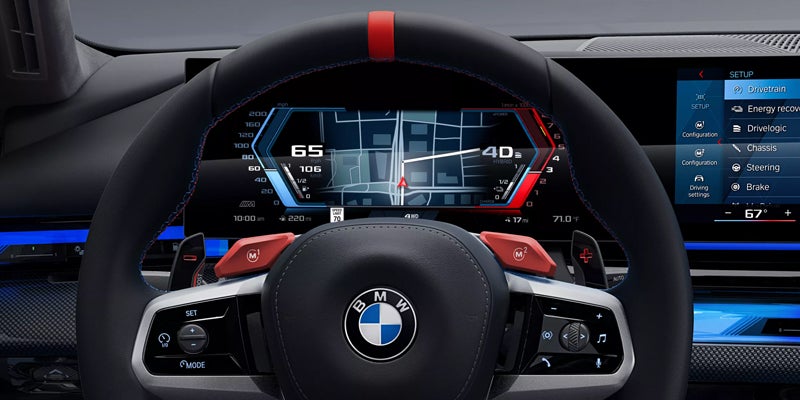
BMW EfficientDynamics brings together BMW features that manage energy use, driving feedback, and selected vehicle responses. For this reason, the name can appear within the instrument cluster, control display, feature list, or owner information. However, it does not describe one single button or part. Additionally, some BMW models use ECO PRO, while newer interfaces may show Efficient Mode. Each version can pair driving guidance with settings that reduce fuel or electrical demand. However, available functions vary by model year, drivetrain, equipment, and software. With that in mind, Orange Park drivers can read each graphic by learning its purpose. Stop and go traffic, highway travel, and strong air conditioning demand can each change the information shown. What Does BMW EfficientDynamics Mean? BMW EfficientDynamics is BMW terminology for a group of energy saving features and engineering measures. These measures can include drive mode settings, coasting, Auto Start Stop, aerodynamic work, and energy recovery. Therefore, the goal is to reduce wasted energy while keeping the BMW ready for normal road travel. However, a gasoline model may use different features than a plug in hybrid or electric BMW. Beyond that, BMW EfficientDynamics can describe design choices that are not visible from the driver seat. Air flow work, lighter materials, and engine management can contribute without adding another menu or icon. Therefore, the display should be read as one part of a larger approach. It reports selected information, but it does not show every efficiency measure operating within the BMW. Additionally, owners should check their model manual before comparing two BMW displays. Screen layouts, colors, labels, and drive modes can change across production years. What Does the EfficientDynamics Display Show? The EfficientDynamics display gives feedback about energy demand, recovery, coasting, or driving input. The exact layout varies across BMW models and software versions. A moving bar may rise as the accelerator receives more input. During deceleration, another area may show charging or recuperation. In addition, some displays show coasting, range guidance, or a coaching prompt. Therefore, common display elements may include: An energy area can show how much fuel or electrical power the current driving input requests. A recovery area can show energy returning during braking or deceleration on an electrified BMW. A coaching graphic can encourage smoother pedal input while Efficient Mode remains active. A coasting symbol can appear when the drivetrain reduces resistance after accelerator release. However, the blue area does not carry one universal meaning across every BMW. On one model, it may mark recovery. On another, it may support an efficiency scale. Therefore, read the label beside the graphic before drawing a conclusion. The owner manual can identify the exact icon and explain the scale. Additionally, trip summaries can compare recent driving with prior travel. These summaries are informational. They do not diagnose a mechanical fault. How Efficient Mode Changes BMW Responses Efficient Mode can change selected settings so the BMW uses less energy. On newer BMW interfaces, the Efficiency Trainer can respond to pedal input during traffic. Why can the accelerator feel softer after Efficient Mode starts? The mode can adjust pedal mapping, so the same foot movement requests less immediate output. Moreover, some BMW models may revise transmission operation. Earlier upshifts can keep engine speed lower during light acceleration. Coasting may begin after the accelerator is released. In addition, climate operation can change. As a result, cooling may feel gentler because the BMW reduces selected energy demand. In Orange Park heat, cabin temperature settings can shape the final result. However, Efficient Mode does not prevent stronger acceleration when it is needed. Pressing the accelerator farther can request more output for merging or passing. Still, drivers can select another available mode when they prefer a sharper response. The available choices and names will differ across BMW generations. Additionally, current shoppers can review the new BMW inventory for models using newer displays and drive mode layouts. How Energy Recovery and Auto Start Stop Work BMW EfficientDynamics can include energy recovery, Auto Start Stop, and coasting. However, each feature manages a different part of the drive. Brake energy regeneration on electric and plug in hybrid BMW models converts motion into electrical energy during slowing. That energy returns to the high voltage battery. By contrast, a gasoline BMW may show charging during deceleration through alternator management. That process is not identical to high voltage recuperation in an electric BMW. Additionally, Auto Start Stop turns the gasoline engine off during qualifying stops. The engine restarts when the BMW prepares to move again. For this reason, the engine may stop at lights or during a slow Jacksonville traffic queue. Cabin cooling demand, battery charge, and engine temperature can keep the engine running. By contrast, coasting works differently. When engine braking is not needed, the transmission can reduce the connection between the engine and driven wheels. The BMW then rolls with less resistance. Consequently, coasting may appear after the accelerator is released during highway travel. Braking or renewed accelerator input reconnects the drivetrain as needed. Even so, these features do not appear on every BMW. Model equipment and drivetrain type shape which functions are present. Orange Park Driving Examples and Service Guidance BMW EfficientDynamics feedback can change throughout one local trip. A drive along Blanding Boulevard may include repeated stops, short acceleration, and strong cooling demand. Therefore, Auto Start Stop may shut down the engine during a stop. After traffic moves, Efficient Mode may encourage gentle acceleration through the coaching display. On Interstate 295, the BMW may enter coasting after accelerator release. An electrified model may show recuperation when traffic slows or the brake pedal is pressed. Additionally, air conditioning use can reduce the savings shown by the display. However, cooling remains a normal part of Florida travel. Comfort settings should match the people inside the cabin. When does a display message need service review? A coaching prompt or changing efficiency bar is usually ordinary display feedback. However, a warning light, persistent Check Control message, reduced power notice, or repeated charging alert needs closer attention. Read the full message before changing any setting. Therefore, contact the Tom Bush BMW Orange Park service center when the notice remains. Owners can also schedule BMW service online. Consequently, a trained technician can read stored fault information and inspect the related BMW components. That step separates normal efficiency feedback from a fault requiring repair. With that in mind, BMW EfficientDynamics becomes clearer when the display, drive mode, and drivetrain are considered together. The screen then offers useful guidance for each Orange Park trip.

BMW Lease Specials: Residual Values and Mileage Explained

BMW lease specials are built around two financial variables most shoppers never see: residual value and money factor. The monthly payment a dealer presents is the result of those two numbers working together. Understanding what each one does, how a promotional special changes them, and what mileage selection does to the math gives you the tools to evaluate any BMW lease offer accurately. A low monthly payment is not always a strong deal. A strong deal requires both variables working in your favor. What Residual Value Does to Your Monthly Payment Residual value is the projected worth of the vehicle at lease end. BMW Financial Services expresses it as a percentage of the original MSRP. A vehicle with a 55% residual on a $50,000 MSRP carries a projected end value of $27,500. The depreciation portion of your monthly payment covers the gap between the capitalized cost and that residual figure, spread across the lease term. A higher residual percentage means less depreciation to finance. Less depreciation produces a lower base payment. This is why certain BMW models lease more favorably than others. A model that holds its value well carries a stronger residual. That directly reduces what you pay each month. A model with a weaker residual forces you to finance a larger depreciation amount regardless of the selling price negotiated at signing. BMW lease specials frequently involve a subsidized residual. BMW Financial Services raises the residual percentage above its standard projected value to reduce depreciation and lower the payment. That subsidy is not reflected in the vehicle's actual market value. It is a promotional tool. Confirming the residual percentage on any lease special tells you how much of the payment reduction came from BMW's subsidy versus a negotiated selling price. A residual percentage between 50 and 60 percent on a 36-month BMW lease is generally strong for most models in this segment Residual percentages drop as lease terms extend, which is why 24 and 36-month leases produce lower payments than 48 or 60-month terms on the same vehicle Promotional residuals during lease special periods can run 3 to 8 percentage points above standard, which meaningfully reduces the depreciation financed across the term How the Money Factor Works and What Promotional Rates Change The money factor is the financing cost built into every lease payment. BMW Financial Services expresses it as a small decimal, typically ranging from 0.00050 to 0.00250. To convert that decimal to an APR equivalent, multiply it by 2,400. A money factor of 0.00125 converts to approximately 3.0% APR. A money factor of 0.00200 converts to approximately 4.8% APR. That conversion matters because it lets you compare a lease financing cost directly to a traditional loan rate. Many shoppers accept a money factor without knowing its APR equivalent. Without that reference point, there is no way to judge whether the financing cost is fair. A promotional BMW lease special often includes a subsidized money factor below the standard market rate. That subsidy reduces the finance charge in the monthly payment and operates separately from any residual adjustment. A strong lease special improves both levers. A weaker special may lower the money factor while leaving the residual at standard rates. Another structure may raise the residual while leaving the money factor unchanged. Evaluating both numbers independently tells you which lever is doing the work. Multiply any BMW money factor by 2,400 to convert it to an APR equivalent for direct comparison against current loan rates A promotional money factor below 0.00100 converts to under 2.4% APR, which is strong lease financing for the current market BMW Financial Services adjusts money factors monthly, so a promotional rate available during one model month may not carry into the next How Does Your Mileage Choice Affect What You Pay? BMW Financial Services structures lease mileage allowances at 10,000, 12,000, and 15,000 miles per year. Selecting a higher mileage tier does more than change overage penalty exposure. It also reduces the residual percentage. A vehicle driven more miles accumulates more wear and depreciates faster. BMW Financial Services reflects that reality in a lower projected end value, which raises the depreciation amount financed across the term. The difference between a 10,000-mile and a 15,000-mile annual allowance can reduce the residual percentage by 3 to 5 points. On a $50,000 vehicle, a 4-point residual reduction adds $2,000 to the depreciation financed. Spread across 36 months, that adds approximately $55 to the monthly payment before the finance charge is applied. Shoppers who need the highest mileage tier should factor that residual impact into the total payment comparison. Treating it as a flat rate addition understates the true cost of the higher allowance. Selecting a mileage tier below your actual driving needs creates a separate problem. Returning a lease with excess mileage triggers a per-mile overage charge on every mile above the contracted limit. Choosing the right tier at signing avoids both the residual penalty of over-selecting and the overage charge of under-selecting. What Happens If You Go Over Your Mileage Allowance? BMW Financial Services charges $0.25 per mile for every mile above the contracted limit at lease return. That charge applies to the full overage amount. A driver returning a lease 3,000 miles over their limit faces a $750 charge due at the return appointment. That amount cannot be rolled into a new lease payment. The prepurchase option changes that calculation. At any point during the lease, BMW Financial Services allows the lessee to purchase additional miles at a rate below the $0.25 return penalty. Prepurchasing locks in the lower rate before the lease ends. A driver who anticipates exceeding their mileage allowance mid-lease should purchase those miles early. Waiting until return and paying the full penalty costs more per mile than acting during the lease. Tracking cumulative mileage against the contracted annual limit provides an early warning signal. A driver 12 months into a 36-month lease at 12,000 miles per year who has already driven 14,000 miles is running 2,000 miles ahead of pace. Addressing that through prepurchase at that point costs less than paying the full return rate on the accumulated overage at lease end. How to Evaluate a BMW Lease Special Before You Sign A BMW lease special that leads with a monthly payment number requires two additional questions before that number means anything. First, what is the residual percentage? Second, what is the money factor? Those two figures determine whether the payment reflects genuine promotional value or an unfavorable combination of low residual and high financing cost. Checking Both Levers A strong evaluation compares the money factor's APR equivalent to current loan rates. If the converted APR is below what you would pay financing the same vehicle, the lease financing is working in your favor. If the residual percentage is above the model's standard rate, BMW Financial Services is subsidizing depreciation through a promotional tool rather than through a negotiated price reduction. Both conditions together define a strong lease special. Lease-end options also connect back to the residual set at signing. At lease end, you have the right to purchase the vehicle at the contracted residual price regardless of its actual market value. If the vehicle held value above the projected residual, the buyout price is below market and represents a real purchase opportunity. If market value has fallen below the residual, returning the vehicle is the financially neutral exit. A lease special is strongest when the residual percentage is above standard and the money factor converts to an APR below current market loan rates Lease-end buyout rights are fixed at the residual established at signing, so a vehicle that depreciated less than projected becomes a below-market purchase at lease end Capitalized cost reduction through negotiation lowers the depreciation financed without affecting the residual or money factor, making it an additive savings layer on top of any promotional structure The team at Tom Bush BMW can walk Orange Park drivers through the current residual percentages and money factors on active lease specials before any payment calculation is presented. Knowing both numbers before you see a monthly figure is the clearest path to evaluating whether a BMW lease special delivers the value it appears to offer.

BMW 2 Series vs Audi A3: Compact Performance Compared

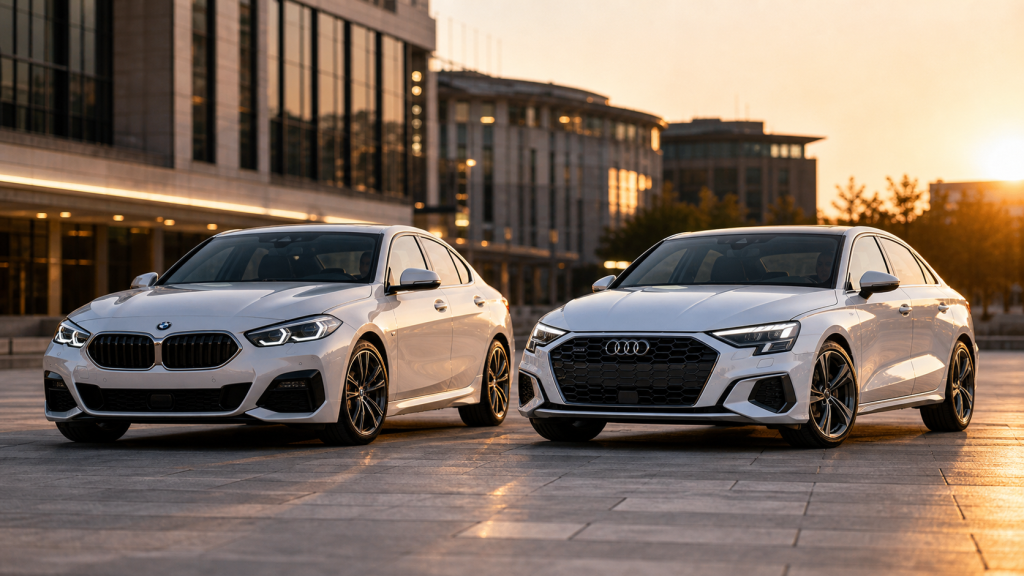
The BMW 2 Series vs Audi A3 decision puts two compact German sedans at the same starting price but on very different mechanical paths. Both carry base MSRPs around $41,350, yet the engineering priorities behind each car diverge quickly once you move past the window sticker. One prioritizes driver engagement and powertrain output. The other leads with standard all-wheel drive and a mature technology interface. Understanding what separates them at the platform level gives you a clearer picture of which one actually fits how you drive. Engine Output and How Power Delivery Actually Differs Horsepower numbers tell part of the story, but they rarely tell the whole one. The base BMW 228i Gran Coupe produces 241 horsepower, while the base Audi A3 40 TFSI generates 201 horsepower. That 40-horsepower gap looks significant on paper. However, what shapes how each car feels in motion is not peak output alone. It is where torque arrives, how quickly the turbocharger spools, and how the transmission responds when you ask for power. The 228i pairs its turbocharged 2.0-liter four-cylinder with a 7-speed dual-clutch transmission. Dual-clutch units pre-select the next gear before the shift executes, which produces faster, more mechanical gear changes than a traditional torque converter automatic. The result is sharper throttle response, particularly during mid-range pulls between 2,000 and 4,500 RPM where the engine delivers peak torque. The Audi A3 uses a 7-speed dual-clutch as well, but its lower torque ceiling means the engine needs to rev further to sustain acceleration momentum. For shoppers asking which car feels faster at a highway merge or through a climbing on-ramp, the 228i holds a clear edge in raw response. Furthermore, the M240i xDrive steps that output to 306 horsepower, widening the gap considerably against Audi's standard A3 lineup. The performance calculus only shifts when the Audi S3 enters the conversation, which is addressed later. Drivetrain Configuration: What FWD vs. AWD Means at the Platform Level One of the most overlooked facts in this comparison is that the base BMW 228i Gran Coupe uses a front-wheel drive platform. That surprises many shoppers who associate the BMW badge with rear-wheel drive dynamics. By contrast, the Audi A3 comes standard with Audi's quattro all-wheel drive system across its lineup. These are not equivalent configurations, and understanding what each means mechanically changes how you should evaluate them. Front-wheel drive sends engine torque through the same axle that steers the car. At the base trim level, the 228i manages this well, and BMW's suspension tuning partially compensates for the front-drive layout. However, when power demand increases, front-drive platforms can exhibit understeer under hard acceleration. The Audi's standard quattro distributes torque between the front and rear axles continuously, which gives the A3 a more neutral handling posture at the base trim. The BMW xDrive all-wheel drive system becomes available on higher trims, including the M235i xDrive. xDrive uses an electronically controlled multi-plate clutch to vary torque distribution between axles based on wheel slip, steering angle, and throttle input. So the drivetrain story for BMW is not that it lacks all-wheel drive. Rather, the question is whether you are comparing base trims or stepping into the xDrive lineup. Shoppers prioritizing AWD from the entry price point will find the A3 delivers it without moving up a trim level. Technology Interface: BMW iDrive vs. Audi MMI Both manufacturers have invested heavily in their infotainment architecture, and the interface philosophies reflect their broader brand positioning. The BMW 2 Series Gran Coupe carries the iDrive 8 system with a curved dual-screen display that spans the dashboard. The 10.25-inch instrument cluster and 10.7-inch infotainment screen share a single curved glass panel, which creates a visually unified cockpit. Menu navigation runs through a combination of touchscreen input and steering wheel controls. The Audi A3 uses the MMI touch system, anchored by a 10.1-inch central display and a lower climate control touchscreen. Audi's layout separates vehicle functions across two physical screen zones, which means climate adjustments do not require navigating through the primary media menu. That structure reduces input steps for frequent adjustments. Beyond that, the A3 retains some physical shortcut buttons along the lower fascia that allow quick access to home and back functions without full touchscreen commitment. BMW iDrive 8 integrates navigation, media, and vehicle settings into one curved display panel with gesture control available as an option Audi MMI separates climate from media through a dedicated lower touchscreen, reducing menu depth for temperature and fan adjustments Both systems support wireless Apple CarPlay and Android Auto, but BMW's interface responds more quickly to touch input according to multiple independent evaluations For shoppers who spend significant time interacting with their car's technology while driving, the choice between these two systems reflects a real preference difference. BMW's curved display creates a more immersive, driver-forward cockpit. Audi's split-screen approach prioritizes function separation and reduced distraction for climate inputs. Performance Trims: M235i xDrive vs. Audi S3 When the conversation moves to performance variants, both brands field compelling entries. The BMW M235i xDrive produces 306 horsepower from its turbocharged 2.0-liter four-cylinder. The Audi S3 counters with 328 horsepower from its own turbocharged 2.0-liter unit. The S3 holds the output advantage at this tier, but output is only one layer of what separates these two cars. The M235i xDrive carries M Sport suspension tuning, which includes stiffer spring rates and revised damper calibration relative to the standard 228i. The xDrive system in the M235i is also calibrated differently than the base AWD setup, with a rear-biased torque distribution that allows the car to rotate more freely through corners before xDrive redistributes grip. This gives the M235i a handling character that feels closer to a traditional rear-drive BMW than the front-biased base trim suggests. The Audi S3's quattro system, by contrast, defaults to a front-forward torque split and redistributes power rearward under oversteer detection. The result is a more stable, planted feel rather than a rotationally adjustable one. Additionally, the M235i benefits from BMW's M Sport brake package availability, larger front calipers, and a more aggressive steering ratio. Shoppers drawn to the performance tier who want a car that rewards active input will find the M235i's rear-biased xDrive tuning more engaging. Those who prioritize stability and composed high-speed confidence at the performance level will find the S3's quattro behavior more reassuring. What Does Five-Year Ownership Actually Cost for Each Car? The price parity at the base trim makes this question more important than it might initially appear. According to Edmunds TCO data, the Audi A3 carries a five-year total cost of ownership of approximately $49,313. The BMW 2 Series comes in at approximately $55,345 over the same period. That $6,032 gap does not stem from fuel costs alone. Maintenance accounts for a significant portion of the divergence. Over five years, BMW maintenance costs are estimated at $6,785 compared to $4,868 for the Audi A3. BMW's service intervals, parts pricing, and labor rates at authorized dealers drive that differential. Depreciation also favors the A3 slightly, with the BMW losing more value over the same ownership window. BMW 2 Series five-year depreciation is estimated at $20,354, while the Audi A3 loses approximately $18,383 over the same period Maintenance cost difference over five years runs approximately $1,917 higher for the BMW, with dealer service rates and parts pricing as primary contributors Fuel costs remain comparable between the two given their similar engine displacement and EPA-rated efficiency However, the BMW's higher performance output and more powerful base engine mean the car delivers more capability per ownership dollar in terms of driving engagement. The question is not simply which costs less. It is whether the additional cost of BMW ownership translates into a driving experience that justifies the gap for your specific use. Shoppers who cover high annual mileage and prioritize ownership economy will find the A3 a more cost-controlled path. Those who weight driver involvement and powertrain response above long-term savings will find the BMW's premium defensible. Which Direction Fits the Way You Drive? These two cars serve the same segment, but the BMW 2 Series Gran Coupe brings a more complete performance package to the comparison. The powertrain advantage starts at the base trim with 40 more horsepower than the A3, and it compounds from there. The M235i xDrive's rear-biased torque distribution, M Sport suspension tuning, and more aggressive steering ratio give it a handling character that the S3's stability-forward quattro calibration does not replicate. The iDrive 8 curved display also sets a higher standard for cockpit immersion and interface responsiveness than the MMI layout delivers. For shoppers who spend time in their car and care about how the driving environment feels, that distinction carries real weight. The A3 offers standard AWD at the entry price point, and its five-year maintenance cost runs lower. However, those advantages come at the cost of output, chassis engagement, and a technology experience that BMW executes more convincingly. Shoppers cross-shopping this segment because they want a compact that actually drives like a premium car will find the 2 Series answers that question more directly. The Audi A3 is a capable, well-rounded entry. The BMW is the one that reminds you why you wanted a performance compact in the first place. For shoppers in the Orange Park area ready to experience the 2 Series firsthand, Tom Bush BMW offers the full lineup with knowledgeable staff who can walk you through every trim and configuration.

BMW X1 vs Lexus UX: Compact Luxury SUV Comparison Guide

Comparing the BMW X1 and Lexus UX is not just about choosing between two compact luxury SUVs. It is about understanding how each vehicle is engineered to deliver a different type of driving experience. While both compete in the same segment, they approach performance, efficiency, space, and usability through completely different systems. For shoppers evaluating these two vehicles, the decision comes down to how those systems work, how they influence daily driving, and which one aligns with how you actually use your vehicle. Is the BMW X1 better than the Lexus UX The BMW X1 and Lexus UX differ most significantly in how their powertrains deliver performance. The BMW X1 uses a turbocharged engine paired with an available xDrive all wheel drive system, while the Lexus UX relies heavily on a hybrid system designed to prioritize efficiency. A turbocharged engine increases power by forcing more air into the combustion process, allowing the BMW X1 to produce stronger acceleration and more immediate throttle response. This creates a driving experience that feels more responsive, particularly during merging and highway driving. The Lexus UX hybrid system combines a gasoline engine with electric motors. This setup improves fuel efficiency by reducing reliance on the engine during low speed driving and optimizing energy use. However, the tradeoff is that power delivery is more gradual and less immediate under acceleration. From a system perspective: BMW X1 turbocharged system emphasizes responsiveness and acceleration Lexus UX hybrid system emphasizes efficiency and smooth power delivery In real-world driving, this means: BMW X1 feels more engaging when accelerating or navigating open roads Lexus UX feels more controlled and efficient in stop and go traffic For drivers who prioritize performance and responsiveness, the BMW X1 delivers a more dynamic experience. For those focused on efficiency and smooth operation, the Lexus UX aligns with those priorities. Interior space and platform design impact Interior space is determined by how the vehicle platform is designed, not just overall size. The BMW X1 is built on a platform that maximizes cabin and cargo space by optimizing how components are arranged within the vehicle structure. Platform design influences: Passenger legroom and headroom Cargo capacity and accessibility Overall interior layout efficiency The BMW X1 uses a design that prioritizes usable space, allowing for more flexibility in seating and cargo configurations. This results in a more open cabin and greater practicality for daily use. The Lexus UX, while compact and efficient, is built with a stronger focus on exterior proportions and hybrid system packaging. The inclusion of hybrid components can influence how space is distributed within the vehicle, often limiting cargo capacity compared to non hybrid designs. In practical terms: BMW X1 provides more usable cargo space and passenger room Lexus UX offers a more compact footprint with less interior flexibility For daily driving, this difference becomes important when carrying passengers, transporting cargo, or adapting to changing needs. Ride comfort and efficiency differences Ride comfort and efficiency are shaped by suspension tuning and powertrain design. The BMW X1 and Lexus UX approach these areas with different priorities. BMW tunes the X1 suspension to balance comfort with responsiveness. This creates a ride that maintains control during cornering while still absorbing road imperfections. The focus is on delivering a connected driving experience without sacrificing usability. The Lexus UX prioritizes comfort and efficiency through its hybrid system and suspension setup. The hybrid powertrain reduces engine noise at lower speeds, contributing to a quieter driving experience. Suspension tuning is designed to absorb road imperfections and provide a smoother ride. From a system perspective: BMW X1 balances comfort with performance-oriented handling Lexus UX emphasizes smoothness and fuel efficiency In real-world conditions: BMW X1 offers more control during highway driving and directional changes Lexus UX provides a quieter and more relaxed experience in urban environments For drivers, the choice depends on whether you value engagement or comfort during everyday driving. Which compact luxury SUV is better for daily driving Daily usability is determined by how easily a vehicle integrates into your routine. The BMW X1 and Lexus UX offer different strengths based on their design and technology. The BMW X1 focuses on driver interaction and control. Its infotainment system and layout are designed to provide structured access to features, allowing drivers to manage settings with minimal distraction. The Lexus UX emphasizes simplicity and efficiency. Its systems are designed to operate seamlessly, with a focus on reducing complexity and supporting a relaxed driving experience. Key usability considerations include: How intuitive the infotainment system is How easily controls can be accessed while driving How the vehicle adapts to different driving environments From a practical standpoint: BMW X1 suits drivers who want a more engaged and controlled experience Lexus UX suits drivers who prefer simplicity and ease of use For shoppers, the decision comes down to how the vehicle fits into daily life. Performance, space, efficiency, and usability all contribute to how the vehicle feels over time. Understanding how each system works provides clarity, allowing you to choose the SUV that aligns with your priorities rather than relying on surface-level comparisons.

OEM vs Aftermarket BMW Parts: Key Differences for Long-Term Performance

Choosing between OEM and aftermarket parts for a BMW is not just a pricing decision. It is a system-level choice that affects how the vehicle performs, how components interact, and how reliably the vehicle operates over time. BMW vehicles are engineered with tightly integrated systems, meaning each part is designed to function within specific tolerances and communication networks. Understanding the difference between OEM and aftermarket parts requires looking at how those parts are built, how they interact with the vehicle, and what that means for long-term ownership. Are OEM BMW parts better than aftermarket OEM BMW parts are components designed and manufactured to match the exact specifications of the vehicle’s original systems. These parts are engineered to integrate directly with BMW’s mechanical and electronic architecture, ensuring consistent performance and compatibility. At a system level, BMW designs components to work together with precise tolerances. This includes how parts fit physically, how they respond under load, and how they communicate with onboard systems. OEM parts are built to meet these exact requirements. For example, a BMW sensor or electronic component must: Communicate accurately with control modules Provide consistent data under varying conditions Align with BMW’s software calibration If a component does not meet these requirements, the system may not function as intended. This is why OEM parts are designed not just as individual components, but as part of a larger system. For BMW owners, this means OEM parts provide: Predictable performance based on original engineering Full compatibility with vehicle systems Consistent long-term reliability The advantage is not simply that OEM parts are “better.” It is that they are designed specifically for how the BMW operates as a complete system. What is the difference between OEM and aftermarket parts The difference between OEM and aftermarket parts comes down to design intent, manufacturing standards, and system integration. OEM parts are produced to match the original specifications of the vehicle, while aftermarket parts are produced by third-party manufacturers with varying design approaches. Aftermarket parts can range from high-quality alternatives to lower-cost options that prioritize affordability over precision. This variability exists because aftermarket manufacturers are not always building to the exact specifications used by BMW. From a technical perspective: OEM parts follow BMW engineering standards and tolerances Aftermarket parts may use different materials or design variations OEM parts are tested within BMW system environments Aftermarket parts may not be calibrated for BMW-specific systems This difference becomes more significant in vehicles with advanced electronics and integrated systems. BMW vehicles rely on communication between components, meaning even small variations can affect performance. For example: A non-OEM sensor may provide inconsistent readings A non-OEM brake component may wear differently under load A non-OEM electronic module may not fully integrate with system software For BMW owners, the key difference is consistency. OEM parts are designed for exact compatibility, while aftermarket parts introduce variability that can affect how the system performs. How part choice impacts long-term vehicle performance Part selection directly influences how a BMW performs over time because each component contributes to the overall system. When parts operate within their intended specifications, the vehicle maintains its designed performance characteristics. OEM parts support this by ensuring: Proper fitment and alignment Consistent material performance Accurate communication with vehicle systems When aftermarket parts are introduced, performance can vary depending on how closely they match OEM standards. Potential impacts include: Changes in system behavior due to inconsistent data or fitment Increased wear if materials do not match original specifications Reduced efficiency if components do not operate as intended These effects may not be immediate. In many cases, differences appear over time as components experience stress, heat, and repeated use. For BMW owners, this means part selection is tied to long-term reliability. A lower upfront cost may lead to additional maintenance if the part does not perform consistently within the system. How to evaluate OEM vs aftermarket BMW parts Evaluating OEM vs aftermarket BMW parts requires understanding how the part will interact with the vehicle and what role it plays in overall system performance. Not all components carry the same level of risk when replaced with aftermarket alternatives. Key factors to evaluate include: Whether the part interacts with electronic systems or sensors The importance of precise fitment and material consistency The potential impact on long-term performance From a decision standpoint: Critical components such as sensors, engine parts, and electronic modules benefit from OEM compatibility Wear items may offer more flexibility depending on quality and application Consistency and reliability should be weighed against upfront cost For BMW owners, the decision is not about choosing the most expensive option. It is about choosing the part that maintains the integrity of the vehicle’s systems. Understanding how BMW designs its vehicles provides clarity. Each component is part of a larger system, and maintaining that system requires parts that align with its original engineering. When evaluated this way, OEM and aftermarket choices become a matter of system performance rather than simple cost comparison.

Contact Us

Fill out this form below and we'll contact you shortly
*Required Fields