Blog / Jacksonville BMW Service

Blog

All Jacksonville BMW Service Jacksonville BMW Dealer Tom Bush BMW Orange Park Things To Do In Jacksonville Jacksonville Amenities Jacksonville Luxury Cars Tom Bush BMW Orange Park Service Jacksonville Entertainment Jacksonville Used Cars Tom Bush Family of Dealerships Jacksonville Restaurants Jacksonville Eateries Jacksonville Parks Family Fun in Jacksonville Jacksonville Landmarks Orange Park Florida BMW Dealer Day Trips Jacksonville Art Jacksonville Foodies Jacksonville Road Trips Orange Park BMW Dealer Orange Park Florida BMW Service Tourists Fun
BMW tire pressure recommendations

BMW Tire Pressure and TPMS: What Orange Park Drivers Should Know

There isn’t a single tire pressure target that works for every BMW in Orange Park, FL. The right cold inflation pressure depends entirely on your exact model, your wheel and tire combination, and how much cargo or passenger weight you’re carrying. You can find your car's exact numbers on the tire pressure sticker located inside the driver's door jamb, as well as in your owner’s manual. Always follow those specific factory recommendations rather than the maximum pressure number stamped on the side of the rubber itself. Why Front and Rear Pressures Might Not Match If you notice the recommended pressures for your front and rear tires are different, don't worry— that's completely normal. Many BMW models carry weight differently across each axle, and many feature staggered setups where the rear wheels and tires are wider than the front. Just make sure the tires currently on your vehicle match the sizes listed on your door jamb sticker, especially if you've recently replaced your tires or upgraded your wheels. If you're ever unsure about your setup, a quick check with a BMW technician at Tom Bush BMW can give you the answers that you need. How North Florida Temperature Swings Affect Your Tires Living around Orange Park means generally warm to hot weather; the area can still have noticeable temperature shifts, and your tire pressure moves right along with the weather. On a cooler morning, you might suddenly see a low-pressure warning that wasn't there the afternoon before—simply because cold air causes pressure to drop. Always check and adjust your tires when they are cold (before you've driven more than a mile or two). If you've been driving down the highway and the tires are hot, avoid letting air out just to match the sticker on the door, as heat naturally builds up pressure while driving. Understanding Your TPMS Warnings Your BMW’s Tire Pressure Monitoring System (TPMS) is designed to keep an eye on your tires and alert you the moment inflation levels drop or the system detects an issue. Depending on your model and iDrive version, you might see exact real-time pressures for each tire or a general warning light on the dash. If a light comes on, use a reliable tire pressure gauge to check all four tires and top them off to the correct cold PSI. Once your pressures are set, remember to perform a quick TPMS reset through your iDrive menu so the system can store the new baseline. When to Get Professional Tire Service If a low-pressure light keeps coming back, a tire repeatedly loses air, or you notice sidewall damage, persistent vibration, or unusual handling, it's best to have it looked at right away. Continuing to drive on a severely underinflated tire can ruin the tire structure and compromise your control on the road. The team at Tom Bush BMW Orange Park can inspect your tires, wheels, and TPMS sensors, locate the cause of any leak, and help you determine whether a simple repair or a full replacement is the safest path forward.

BMW fuel requirements and recommended octane ratings

Does a BMW Require Higher-Octane Gasoline?

A BMW badge alone doesn't tell you the whole story about what gas you need to put into your tank in Orange Park, FL. Required fuel grades change depending on your BMW's exact model, engine type, and model year. The best place to double-check is right inside your fuel filler door— there’s a sticker right there listing your car’s needs—or in your owner’s manual. It is always worth verifying, especially if you recently switched from a different model or engine style. What Octane Ratings Mean Octane simply measures how well gasoline can withstand premature ignition, often called engine knocking. T hat’s the Anti-Knock Index (AKI) number you see on the pump buttons. It is easy to think that getting the highest-octane gas automatically gives your car extra power, but that isn't quite how it works. Engines are built to run best on specific fuel blends, so following what BMW recommends is far better than just grabbing the most expensive option. Understanding Recommended vs. Minimum Fuel Grades When you check your manual, you might notice two numbers: a recommended octane and a minimum allowed octane. The recommended grade is what helps your BMW hit its full potential for horsepower, fuel economy, and smooth engine performance. The minimum grade is the lowest threshold your engine can safely run on without risking long-term damage. While using the minimum grade can get you by in a pinch, sticking with the recommended fuel gives you the driving experience your car was engineered for. What to Do i f You Accidentally Use the Wrong Fuel If you accidentally put a lower grade of gas in your tank, don't panic. Just drive gently—avoid heavy acceleration, high speeds, or hauling heavy loads—until you use up enough gas to top off the tank with the correct fuel. If the engine starts running rough or a check engine light pops on, give a service department a call to be safe. However, if you accidentally put diesel into a gas BMW (or gas into a diesel), do not start the engine. Leaving the car off prevents the wrong fuel from circulating through your fuel lines and engine, which saves you from a much bigger repair headache. Have Questions? Ask the Experts at Tom Bush BMW Orange Park If you are ever unsure about which gas to use or need help after an accidental mix-up, our team at Tom Bush BMW Orange Park is always happy to help. Just give us a call with your VIN and model year, and we can look up your exact factory specs in seconds. Whether you need a quick answer or want to bring your car in for a checkup, we are here to make sure your BMW keeps running smoothly.

BMW Remote Engine Start feature and controls in a BMW vehicle

BMW Remote Start: How It Works and How to Check Compatibility

We all know that days in Jacksonville, FL can get hot. And even in a car as advanced as a BMW, it can take a second for your air conditioning to cool off your vehicle’s cabin. That’s why B MW remote start is such a great feature. On a compatible BMW, R emote S tart can start the engine before you enter the vehicle and begin preparing the cabin temperature. For Orange Park drivers facing warm weather, that convenience can make everything more comfortable when you get into your BMW. The feature is equipment-dependent, so the first step is confirming that your specific BMW supports it. Confirm Availability for Your BMW Look for Remote Start in the vehicle’s feature information, owner’s manual, and available settings. The VIN and model year help identify factory equipment and any compatible digital services. Some BMWs may support Remote Start only with certain software, hardware, or activation arrangements. Do not assume that a feature shown in an advertisement or demonstrated on another model is installed on your vehicle, always use the information that came with your specific BMW. Ways to Start a Compatible Vehicle Depending on the vehicle, a driver may be able to request Remote Start through the My BMW App or a supported vehicle-key function. Activation instructions, prerequisites, and operating limits differ. Follow the instructions supplied for your BMW, including requirements involving vehicle security, ventilation, and local idling rules. Never remotely start a gasoline-powered vehicle in an enclosed garage. Why the Option May Be Missing If Remote Start does not appear in the My BMW App, check if the vehicle is correctly associated with your account and if the feature is supported and active. Vehicle software, network connectivity, and service eligibility can affect access. If the feature appears but will not operate, check for messages and vehicle conditions identified in the manual. A missing menu option alone does not mean a component has failed. Get Help at Tom Bush BMW Orange Park Remote Start is a specific feature, separate from BMW Digital Key and broader ConnectedDrive functions. When contacting Tom Bush BMW Orange Park, have your VIN, model year, and a description of the problem ready. The team can help confirm compatibility and determine if a service inspection is appropriate. Explore new BMW inventory to compare available equipment, or contact the service department for assistance.

BMW Warning Lights Guide for Orange Park BMW Owners

BMW warning lights can point to a tire pressure concern or a fault that requires you to stop driving. Therefore, the first step is reading the icon and the accompanying Check Control message. Color gives an urgency clue, but the message adds the specific instruction for your BMW. A red warning usually calls for immediate attention. A yellow warning usually calls for prompt inspection. However, the exact response still depends on the warning and the way the BMW is operating. For this reason, use the Driver's Guide or Vehicle Status screen when the message is not clear. BMW Warning Light Colors Give the First Urgency Clue What does the color tell you? Red usually signals greater urgency, while yellow usually signals a concern that needs timely review. However, color alone cannot identify the failed part. A red icon may relate to oil pressure, braking, or engine temperature. A yellow icon may point to emissions, tire pressure, or another monitored function. Therefore, read the Check Control message before making assumptions. BMW pairs warning icons with text that can explain the fault category or next action. In addition, the Driver's Guide can show model specific warning information. Use these three steps when a warning first appears: Read the full Check Control message before dismissing it or restarting the vehicle. Note the warning color and whether the icon stays on, flashes, or disappears after startup. Watch for changes in steering, braking, engine sound, temperature, or electrical operation. Those observations give the service team useful context. They also help you decide whether to stop, inspect the BMW, or arrange service promptly. Check Engine Lights Need Steady Versus Flashing Context Can you drive with a check engine light? A steady light may permit a short drive to service when the BMW runs normally. However, a flashing check engine light calls for greater urgency. Flashing can accompany a severe misfire that may send unburned fuel into the exhaust. Therefore, continued driving can raise the risk of catalytic converter damage. If the light stays steady, pay attention to engine sound, power delivery, and idle quality. In addition, check the message shown by Check Control. A BMW that runs rough, loses power, or shakes strongly needs quicker attention. A flashing light paired with rough running is different. In that situation, reduce speed, move to a safe location, and contact service. Do not continue a long trip simply because the BMW still moves. The warning does not identify the failed part by itself. Therefore, diagnosis still requires fault code review and testing. Oil Pressure and Coolant Warnings Can Require an Immediate Stop Which engine warnings can mean stop driving? Oil pressure and high coolant temperature warnings can require you to stop safely and shut off the engine. Engine oil creates a protective film between moving parts. Therefore, low oil pressure can leave bearings and other surfaces without enough lubrication. Continued operation can cause rapid internal damage. Coolant controls engine temperature by carrying heat away from the engine. However, an overheating warning means that heat may no longer be leaving the engine fast enough. Continuing to drive can raise the risk of severe engine damage. If either warning appears, move out of traffic as soon as it is safe. Then shut the engine off and review the BMW message. In addition, avoid opening a hot cooling circuit, because pressurized coolant can cause burns. Do not assume that adding fluid solves the fault. Oil pressure and overheating warnings can have several causes. Therefore, professional inspection should come before further driving when the warning remains active. Brake and Battery Warnings Need Prompt Review What should you do when a brake or battery warning appears? Read the message, note how the BMW responds, and arrange prompt inspection. In addition, a brake warning can relate to several monitored areas. Therefore, pedal feel matters. A soft pedal, reduced braking response, or another red brake message raises urgency and may require you to stop. Battery warnings also need quick attention. The 12 volt electrical network relies on a charging source while the vehicle operates. If charging stops, stored battery energy can keep the BMW running only for a limited period. For this reason, reduce unnecessary electrical loads after a charging warning appears. Then arrange inspection before the battery loses enough charge to shut down essential functions. Neither warning icon gives a complete diagnosis. Brake hardware, sensors, wiring, the charging circuit, or another component may need testing. Therefore, use the message and vehicle response to choose the next action. Tire Pressure and Driver Assistance Warnings Need Inspection Can you continue driving after a tire pressure or driver assistance warning? Sometimes you can, but you should inspect the BMW and read the exact message first. A tire pressure warning means the monitored pressure has moved outside the expected range. Temperature changes can alter pressure, but a puncture can do the same. Therefore, inspect the tire before adding air and continuing a long trip. Check each tire for visible damage, low pressure, or an object in the tread. In addition, use Vehicle Status on supported BMW models to review displayed pressure values. If one tire loses pressure again, schedule inspection. By contrast, driver assistance alerts need a different response. A warning may indicate that a feature is unavailable or has a fault. Therefore, keep full control of the BMW and do not rely on the unavailable feature. The Check Control message should explain which feature needs attention. If the warning remains, arrange service so the related sensors and electronic components can be tested. Use the BMW Message to Decide the Next Step Where should you verify the exact warning? Start with Check Control, then use the BMW Driver's Guide for model specific information. A simple response plan keeps the decision clear: Stop safely when a red warning involves oil pressure, overheating, severe braking concerns, or a flashing check engine light. Inspect the BMW when a tire pressure alert or similar yellow warning appears and the vehicle still feels normal. Schedule service promptly when a warning remains active, returns after restart, or changes the way the BMW drives. When you contact Tom Bush BMW Orange Park, describe the warning color, icon, message, and any change you noticed. That information gives the technician useful context before diagnosis. Furthermore, a dashboard warning is a request for attention, not a complete repair answer. Therefore, use the message to judge urgency and avoid guessing at the failed part. If the BMW feels unsafe or shows a stop driving warning, move to a safe location and contact service.

BMW ignition coil diagnosis and repair

BMW Ignition Coil Diagnosis and Repair Guide for Owners

BMW ignition coil diagnosis and repair starts by confirming the faulty part before replacement begins. A rough idle or warning light may point toward a misfire. However, several parts can create the same cylinder fault. Therefore, testing matters before any coil gets replaced. A technician first reviews stored fault codes and engine data. Then the suspected cylinder receives targeted checks. In addition, the spark plug, wiring, and nearby components may need inspection. This process narrows the fault without relying on symptoms alone. BMW Ignition Coil Diagnosis Begins With Fault Codes What does a cylinder misfire code prove? It identifies where the misfire was detected, but it does not name the failed part. For this reason, a code such as P0301 points toward cylinder one. However, that cylinder can misfire for several reasons. In addition, the ignition coil may fail to create a strong spark. Likewise, a worn spark plug can also interrupt combustion. Fuel delivery or wiring concerns may create similar results. Therefore, code review works as the first diagnostic branch. The technician can compare stored faults with engine data and recent operating history. In addition, multiple cylinder codes may change the testing path. Before replacing parts, a technician may review several items: The stored code shows which cylinder needs closer testing and whether more than one cylinder has a recorded misfire. Engine data can show whether the fault returns at idle, during acceleration, or after the engine reaches operating temperature. Other stored faults may point toward electrical, fuel, or mechanical concerns that need review before coil replacement. The code gives the technician a starting point. Therefore, the next step is proving whether the suspected coil caused the fault. Coil Testing Can Isolate the Fault How does moving a coil confirm the problem? A technician can move the suspected coil to another cylinder and watch the fault location. For this reason, suppose cylinder two has a misfire code. Then the technician can move that coil to a known good cylinder. Then the fault memory gets cleared before the engine runs again. If the misfire moves with the coil, the evidence points toward that coil. By contrast, a misfire that stays on cylinder two sends testing elsewhere. This method separates the component from the cylinder location. BMW diagnostic guidance has used this approach because some coil faults appear only while the engine runs. A coil may look normal during a visual check. However, heat and engine load can reveal an internal fault. Therefore, the swap test adds stronger evidence before replacement. It also reduces the chance of replacing a good coil while the original problem remains. Spark Plugs Need Inspection During Diagnosis Why inspect the spark plug when the coil is already suspected? The plug works with the coil to create the spark inside the cylinder. In addition, a worn electrode can require more voltage for a clean spark. Furthermore, fouling can interfere with ignition. In addition, oil inside the plug well can contaminate the coil boot and plug area. Therefore, the technician may remove the plug and inspect its condition. Deposits, wear, damage, or contamination can change the repair path. The plug service history also gives useful context. A coil replacement may not solve a misfire caused by a worn plug. Likewise, a damaged coil boot may point toward oil entering the plug well. That can require another repair beyond the ignition part itself. For this reason, coil and plug inspection work together. Each part sits in the same ignition path, so both deserve attention during diagnosis. A Misfire Can Lead to Other Diagnostic Checks What happens if the misfire stays on the same cylinder after a coil swap? The technician keeps testing other possible causes on that cylinder. Therefore, the spark plug is a common next check. However, the fuel injector, wiring, connector, or mechanical sealing may also need review. Each can interrupt combustion without moving with the coil. In addition, electrical testing can reveal connector or wiring concerns. Fuel testing may point toward an injector problem. Mechanical testing may follow when ignition and fuel checks do not explain the fault. This branch matters because a misfire code cannot separate every cause by itself. Therefore, professional diagnosis follows evidence from one test to the next. The owner should expect the technician to explain what was tested and what the results showed. That record creates a clearer reason for the repair that follows. Ignition Coil Repair Includes Verification After Replacement What happens after testing confirms a failed coil? The technician removes the faulty part, installs the correct replacement, and checks the engine again. However, access varies across BMW engines. Some coils sit beneath covers that must come off first. Electrical connectors also need careful handling before the coil can be lifted from the plug well. After installation, the technician reconnects the hardware and clears stored fault codes. Then the engine runs again so the repaired cylinder can be checked. Post repair verification may include another scan and a road test. The technician wants to confirm that the misfire does not return. In addition, engine operation should remain smooth across the tested range. Parts selection matters during this work. A replacement coil must match the BMW engine and ignition setup. Spark plug work may also be completed when inspection shows wear or related concerns. Replacement finishes the mechanical part of the job. Verification confirms whether the repair corrected the original fault. Repair Cost Changes With the Work Required Why can one BMW ignition coil repair cost more than another? The total reflects diagnosis, parts, access, and any related work found during testing. In some repairs, a single confirmed coil may require limited parts work. However, worn spark plugs or oil contamination can add more labor and parts. Engine layout can also change how much disassembly is needed. Several cost inputs deserve review before authorizing repair: Diagnostic labor covers code review, testing, and fault isolation before replacement starts. Parts cost changes with the exact BMW engine, coil type, spark plug needs, and any related components. Labor time can rise when access requires more disassembly or when another fault needs separate testing. A service estimate should reflect the specific BMW and the findings from diagnosis. Therefore, a fixed price before testing may leave out needed work or include work that is unnecessary. Tom Bush BMW Orange Park can inspect the fault and explain the recommended repair path. If a warning light is flashing or the engine runs very rough, driving may risk further damage. In that situation, contact the service team before continuing the trip.

BMW Ignition Coil Symptoms Causes and Service Steps

BMW ignition coil symptoms can include rough idle, hesitation, starting trouble, reduced power, and a check engine light. However, these signs do not confirm a failed coil without testing. A spark plug, injector, wiring fault, air leak, or compression issue can create similar engine responses. For this reason, owners should focus on when each sign appears and how the engine responds. Those details give a BMW technician useful direction during diagnosis. They also reduce the chance of replacing a part that did not cause the concern. What Does a BMW Ignition Coil Do? A BMW ignition coil raises battery voltage so the spark plug can ignite the air and fuel mixture. Each combustion event needs a strong spark at the correct moment. The battery supplies low voltage electrical power. However, the spark plug needs far greater voltage to bridge its electrode gap. The ignition coil transforms that lower input into the stronger output needed for ignition. On many BMW engines, one coil sits above each spark plug. Therefore, one weak coil may interrupt combustion in one cylinder while the remaining cylinders continue firing. That uneven firing can make the engine shake, stumble, or lose power. In addition, the engine computer may detect a speed change in the crankshaft after one cylinder fires poorly. A diagnostic code may then identify the cylinder with irregular combustion. Still, that code does not always name the failed part. The coil, plug, injector, wiring, fuel supply, or cylinder sealing may require inspection. Common BMW Ignition Coil Symptoms BMW ignition coil symptoms can appear at idle, during acceleration, or while the engine starts. The timing and severity can give the service team useful clues. A rough idle may feel like shaking through the seat or steering wheel. Because engine speed is low, uneven firing can become easier to notice while stopped. Hesitation may appear when entering Interstate 295 or accelerating through Jacksonville traffic. Higher cylinder pressure requires a stronger spark. Therefore, a weak coil may struggle more when the engine carries greater load. Reduced power can appear with hesitation or a warning message. The engine computer may limit output after detecting repeated misfires. That response protects other engine and exhaust parts from added strain. Starting trouble may include longer cranking or an uneven start. However, a weak battery, fuel concern, or sensor fault can produce a similar sign. Owners may also notice: Shaking that becomes stronger while the BMW remains stopped. Uneven acceleration when merging, climbing, or passing. A fuel smell after repeated misfires send unburned fuel toward the exhaust. Engine stalling when several combustion events fail at low speed. Lower fuel economy when the engine cannot burn the mixture cleanly. These signs should be recorded with the engine temperature and driving moment. For instance, note whether the concern appears only after a cold start. Also record whether rain, recent repairs, or refueling came before the change. Can You Drive With BMW Ignition Coil Symptoms? Driving with BMW ignition coil symptoms depends on warning severity and engine response. A flashing check engine light can mark an active misfire that threatens the catalytic converter. When the light remains steady, the BMW may still run. However, continued shaking, power loss, or repeated stalling calls for prompt service guidance. When the light flashes, reduce engine load and move toward a safe location. Avoid hard acceleration because more unburned fuel may enter the exhaust. A hot catalytic converter can suffer damage when it receives excess fuel. Therefore, severe shaking and a flashing light should not be treated like a routine reminder. Stop driving when the BMW cannot maintain safe speed, stalls more than once, or produces strong fuel odors. Also stop when a warning message directs you to do so. A steady light without severe engine changes still needs diagnosis. Waiting can turn a smaller ignition concern into plug wear, exhaust damage, or starting trouble. The Tom Bush BMW Orange Park service center can review the concern and plan the correct inspection. Owners can also schedule BMW service online. Ignition Coil Versus Spark Plug Signs An ignition coil and spark plug can cause similar signs because they work together. The coil supplies voltage, while the plug creates the spark inside the cylinder. A worn plug may have a wide electrode gap or heavy deposits. Consequently, the coil must produce more voltage to fire that plug. This added demand can expose a weak coil. A damaged coil can also send an inconsistent spark through a good plug. Therefore, rough idle or a misfire code cannot identify one part without further checks. A technician may inspect plug wear, coil condition, wiring, and stored fault data. In addition, the technician may move a suspected coil to another cylinder. If the misfire moves with the coil, that result points toward the coil. If the misfire stays on the original cylinder, another cause needs review. Diagnostic steps may include: Reading fault codes and cylinder misfire counters. Inspecting spark plugs for wear, deposits, fuel, or oil. Checking coil connectors and nearby wiring for damage. Comparing coil operation between cylinders. Reviewing injector operation, fuel pressure, and cylinder compression when needed. Because several faults can create the same code, testing should guide the repair. Replacing every coil without diagnosis may add cost while leaving the original concern present. When a replacement part is needed, owners can review BMW parts and accessories. The correct part number must match the engine and production information. Diagnosis and BMW Service Next Steps Before scheduling service, write down when the concern began and what the BMW was doing. Clear notes can shorten the path from symptom review to testing. Record whether the engine was cold or warm. Also note whether the concern appeared at idle, during acceleration, or at steady speed. Furthermore, note any recent battery work, spark plug service, fuel stop, engine cleaning, or repair. These details can direct inspection toward a connector, plug well, fuel concern, or another nearby part. Bring the following information to the appointment: The warning message and whether the check engine light flashed. The speed, engine temperature, and driving moment when the sign appeared. Any recent repair work or parts replacement. Whether the concern changes after restarting the BMW. Any fuel smell, smoke, stalling, or strong vibration. During diagnosis, the technician can read stored faults and review live engine data. The inspection may continue with plugs, coils, wiring, injectors, fuel delivery, or compression. This process separates symptom recognition from a confirmed repair. Therefore, it protects the owner from guessing based on one light or one rough start. Orange Park owners can contact the service team when shaking, hesitation, or starting trouble appears. Prompt testing can identify the cause before repeated misfires harm related parts. After diagnosis, ask which cylinder recorded the fault and which test confirmed the cause. Also ask whether spark plug wear or another concern placed extra strain on the coil. BMW ignition coil symptoms deserve careful attention, but they do not support parts replacement by themselves. Accurate testing connects the engine sign with the correct next step.

BMW Brake Pad Replacement: Signs and Service Timing

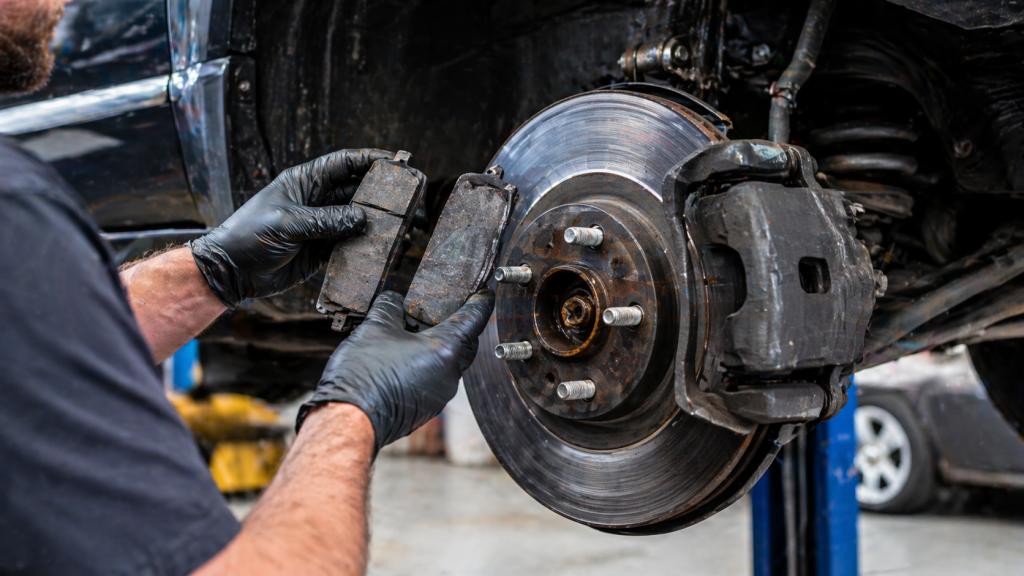
BMW brake pad replacement is one of the most common service decisions an owner faces, and knowing when to act makes the difference between a routine pad swap and a costlier brake system repair. BMW uses an electronic wear sensor system that alerts the driver at a specific pad thickness threshold. However, that warning light is not the only signal worth monitoring. Understanding how the sensor works, what physical signs precede it, and what a complete brake evaluation involves gives you a more accurate picture of where your brake system actually stands. How BMW Brake Wear Sensors Work BMW embeds electronic brake wear sensors directly into the brake pad material. Each sensor contains a resistive wire that maintains a closed electrical circuit while pad material surrounds it. As the pad wears to approximately 2 to 3mm of remaining thickness, the rotor contacts the wire and breaks that circuit. That interruption triggers the brake pad warning indicator on the instrument cluster. The sensor is a single-use component. Once the rotor severs the wire, the sensor cannot be reset or reused. A technician must replace it alongside the pad at every service. BMW typically installs sensors on the front inner pads and one rear pad. These positions wear fastest and generate the most reliable wear data across the axle. However, a rear sensor alert confirms the rear pads have reached threshold. It does not confirm the front pads are in good condition. Furthermore, CBS brake monitoring tracks pad wear as part of the vehicle's continuous service calculation. The system uses wheel speed data, brake application frequency, and deceleration load to estimate remaining pad life between physical sensor triggers. Together, the CBS estimate and the physical sensor provide two layers of awareness before a pad reaches a critical state. Can You Drive After the BMW Brake Warning Light Appears? When the brake pad warning light activates, approximately 2mm of pad material remains at the sensor contact point. That thickness still provides functional stopping power. However, it represents a narrow safety margin. Most BMW owners can drive briefly after the alert without immediate mechanical danger. Continuing without scheduling service accelerates the risk of the pad reaching zero material, at which point the metal backing plate contacts the rotor directly. What Happens If You Delay Service Metal-on-metal contact between the backing plate and rotor causes rapid rotor scoring. It also significantly increases stopping distance. A pad replacement at $300 to $500 per axle becomes a pad and rotor replacement once scoring begins. Rotor replacement on a BMW adds $400 to $800 per axle depending on the model. Scheduling service within a few days of the warning light is the cleaner financial and safety decision. Grinding during braking is a separate signal that requires immediate attention. Unlike the warning light, grinding means pad material is already gone and metal contact is actively occurring. At that stage, driving to a service appointment compounds rotor damage with every stop. A BMW owner who hears grinding should schedule same-day service rather than waiting for a convenient opening. Why Do Front and Rear BMW Brake Pads Wear at Different Rates? Most vehicles wear front pads faster than rear pads. Braking shifts vehicle weight forward, loading the front axle with the majority of stopping force. BMW's calibration changes that dynamic on many models. Several BMW platforms apply a rear brake bias tuning that distributes more braking force to the rear axle at low to moderate deceleration levels. Additionally, BMW's brake-based limited-slip differential function uses rear brake application to redirect torque during cornering. That places heat and friction load on the rear pads outside of normal braking events. As a result, rear pads on certain BMW models wear at a rate closer to or faster than the fronts. An owner who checks front pad thickness and assumes the rears are in equal condition may miss a rear pad that has reached its sensor threshold. The CBS monitoring differences between front and rear axles mean the two wear rates can diverge without obvious warning until the sensor trips. Checking both axles at every service interval is the more accurate approach for a BMW. A technician performing a brake inspection should measure pad thickness at all four corners and report them independently. That gives you a complete picture of where each axle stands relative to the replacement threshold. Rotors and Brake Fluid: What a Full Brake Evaluation Covers Pad replacement Addresses the friction material but does not resolve rotor or fluid conditions that affect brake system function. A thorough brake evaluation covers three components: pad thickness measurement, rotor inspection, and brake fluid moisture assessment. Rotor Inspection Rotors carry a minimum thickness specification stamped or cast into the rotor hat. A technician measures rotor thickness with a micrometer at multiple points across the face. A rotor that has worn below minimum specification requires replacement regardless of surface appearance. Beyond thickness, the technician inspects for scoring, which are grooves cut into the rotor face by worn pad material or debris. A scored rotor accelerates wear on new pads and reduces the contact area between pad and rotor. Heat cycling also causes rotor warping, where the rotor face develops a slight runout that the driver feels as a pulsation through the brake pedal. Rotor minimum thickness is a hard specification, and a rotor measuring below that number requires replacement even if the surface looks acceptable Scoring deeper than 1.5mm into the rotor face cannot be corrected by resurfacing and requires full rotor replacement Brake fluid moisture content above 3 percent indicates the fluid has absorbed enough water to lower its boiling point, which BMW's CBS system flags as a service need independent of pad wear Brake fluid connects to pad service in a way most owners do not expect. Fluid with high moisture content boils under sustained heat load. That creates vapor pockets in the hydraulic line. Those pockets compress instead of transmitting pressure, causing the pedal to feel soft under repeated hard stops. New pads cannot compensate for degraded fluid. A complete brake evaluation should confirm fluid condition before the appointment closes. Service Timing and What to Expect at the Dealer BMW brake pad replacement intervals vary by model, driving pattern, and axle position. Front pads on most BMW models reach service threshold between 30,000 and 50,000 miles under mixed driving. Rear pads on models with brake-based differential function may reach threshold earlier. Aggressive urban driving, frequent highway braking, and towing accelerate wear on both axles. At an authorized BMW dealer, a brake pad replacement service includes pad removal, wear sensor replacement, rotor inspection, caliper slide pin lubrication, and a brake system pressure check. The technician documents pad thickness at all four corners and notes rotor condition in the service record. That documentation matters for CBS recalibration after service and for the vehicle's service history under a transferable maintenance plan. Front brake pad and rotor replacement at an authorized BMW dealer typically runs between $600 and $1,100 per axle depending on model and rotor specification Rear brake pad and rotor replacement runs between $500 and $900 per axle on most BMW models, with M Sport and performance trim variants carrying higher parts costs Scheduling service promptly after a warning light alert avoids rotor scoring and keeps the repair within the pad-only cost range Tom Bush BMW's service team handles brake inspections and pad replacement with BMW-trained technicians and genuine BMW parts. That ensures the CBS system recalibrates correctly after service. For Jacksonville drivers who want accurate brake wear data and a complete axle-by-axle evaluation, scheduling a brake inspection before the warning light appears is the most cost-controlled path through BMW brake ownership.

BMW Oil Change Cost at a Dealership: What’s Included and Why It Matters

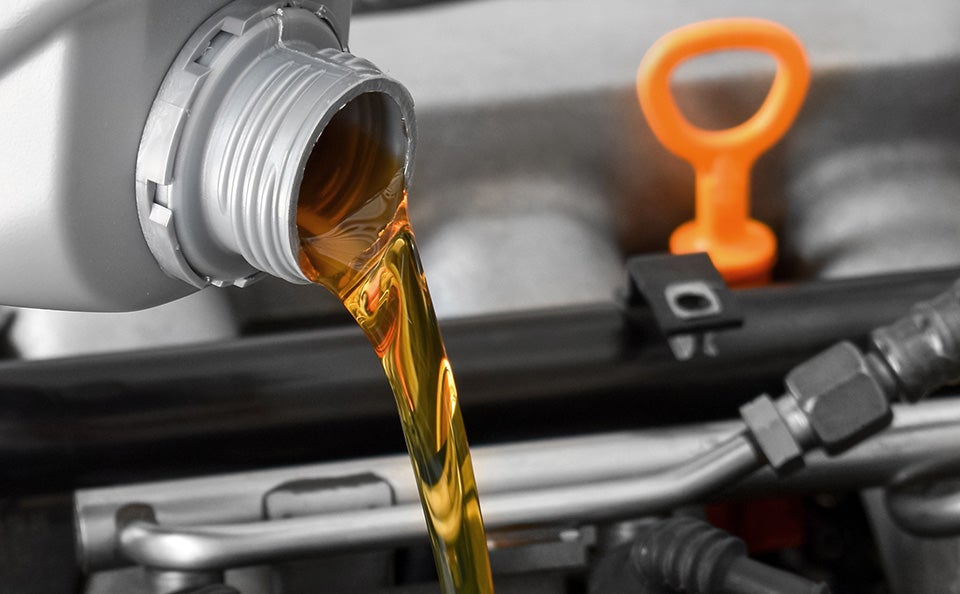
A BMW oil change is not just a routine fluid replacement. It is part of a system designed to maintain engine performance, manage internal wear, and support long-term reliability. For many owners, the cost of a dealership oil change raises an immediate question. Why is it higher than a standard oil service, and what are you actually paying for. The answer comes down to how BMW engines are designed, the type of oil they require, and the process used to ensure the system continues to operate as intended. Understanding these factors allows you to evaluate the cost based on function rather than perception. Why does a BMW oil change cost more A BMW oil change costs more because the engine system is built around higher performance tolerances that require specific oil formulations, controlled service procedures, and precision monitoring. BMW engines, particularly turbocharged models, operate under higher temperatures and pressures than standard engines. This creates greater demand on the oil to maintain viscosity, resist breakdown, and protect internal components. Synthetic oil used in BMW vehicles is engineered to handle: High thermal stress from turbocharged operation Extended service intervals without rapid degradation Precise lubrication across tightly engineered components In addition to the oil itself, the service includes a specialized oil filter designed to maintain proper flow and filtration under these conditions. The cost also reflects the service environment. BMW dealership technicians are trained to work within manufacturer specifications, ensuring that oil type, quantity, and system resets align with the vehicle’s design. From a system perspective: Oil quality directly affects engine efficiency and wear Incorrect oil can lead to reduced performance or long-term damage Service accuracy ensures the engine continues to operate within its intended parameters For a BMW owner, this means the cost is tied to maintaining a system, not just replacing a fluid. What is included in a BMW oil change at a dealership A BMW dealership oil change includes a structured service process that evaluates engine condition, replaces critical components, and updates the vehicle’s maintenance tracking system. It is designed to ensure that the engine continues to perform as expected between service intervals. The service typically includes: Draining and replacing engine oil with BMW-approved synthetic oil Replacing the oil filter with a manufacturer-specific component Inspecting key engine and fluid systems Resetting the Condition Based Service system The inspection component is what separates dealership service from a basic oil change. Technicians evaluate areas that can influence engine performance or indicate early wear. This may include: Checking for oil leaks or abnormal consumption Inspecting fluid levels and condition Reviewing system alerts and diagnostic data Resetting the Condition Based Service system is also critical. BMW vehicles track oil life based on real-time operating conditions. Without resetting the system correctly, the vehicle cannot accurately monitor future service needs. For BMW owners, this means the oil change is part of a larger maintenance process that keeps the vehicle aligned with its engineered service schedule. How BMW oil systems and specifications affect performance BMW engines are designed with specific oil requirements that directly influence performance, efficiency, and durability. These requirements are defined by oil specifications that ensure compatibility with engine design and operating conditions. BMW-approved oils must meet standards that account for: Viscosity stability across temperature ranges Resistance to oxidation and breakdown Compatibility with engine seals and internal components Turbocharged BMW engines rely on consistent oil flow to manage both lubrication and heat dissipation. The oil not only reduces friction but also carries heat away from critical components such as the turbocharger. If the oil does not meet required specifications: Lubrication may become inconsistent under load Heat management can be reduced Internal wear may increase over time BMW’s oil monitoring system tracks how the oil is performing based on engine operation. This includes factors such as temperature, load, and driving patterns. The system uses this data to determine when the oil is no longer performing at the required level. For owners, this means oil is not interchangeable. The correct oil specification is part of the engine’s design, and using the proper formulation ensures the system continues to function as intended. How to evaluate BMW oil change cost vs long-term value Evaluating the cost of a BMW oil change requires looking at how the service contributes to long-term engine performance and ownership stability. The price reflects both the materials used and the process required to maintain the system. A lower-cost oil change may reduce immediate expense but can introduce risks if the oil does not meet BMW specifications or if the service process does not align with the vehicle’s monitoring system. Key considerations include: Whether the oil meets BMW-approved specifications Whether the service includes proper system reset and inspection How the service supports long-term engine health From a decision standpoint: Proper oil maintains engine efficiency and reduces wear Accurate service intervals prevent premature degradation Consistent maintenance supports long-term reliability For BMW owners, the oil change is not just a routine service. It is a maintenance function that directly impacts how the engine performs over time. When evaluated through that lens, the cost becomes part of preserving the vehicle’s intended performance and avoiding more significant repairs in the future.

BMW Oil CHange

How Often Should You Get Your BMW's Oil Changed?

The motor oil in your engine plays a crucial role in the world-class performance of your BMW vehicle. When it's time for an oil change in Orange Park, the best place to go for trusted service and high-quality motor oil is Tom Bush Orange Park in Jacksonville. Learn the ins and outs of oil service before you drop by. It's a good idea to schedule an oil service every 7,500 for new BMW vehicles. The motor oil used in new cars tends to last longer than the oil used on older engines, which is why the age-old recommendation to schedule oil service every 3,000 miles isn't common anymore. For most drivers, an oil service every 7,500 or so miles means scheduling service twice a year, or once every six months. Even if you don't drive your BMW every day, a six-month oil service is a good idea. This is because the motor oil in your engine will naturally degrade over time, regardless of how often you drive your vehicle. By the same token, if you drive your car long distances every day and rack up a lot of miles on your car, you may want to schedule oil service more frequently. Are There Best Times to Schedule Oil Service? Aside from keeping an eye on your odometer, there are two other times when it's a good idea to schedule an oil service. First, if you plan to take your car on a long road trip, you should schedule service before your trip to ensure your car is in good condition. It's also a good idea to schedule oil service after extreme heat to make sure your oil levels are good. What Type of Oil Is Best? In general, newer vehicle models tend to run on synthetic or semi-synthetic motor oil rather than conventional oil. While conventional oil can get the job done to lubricate the internal parts of your engine, synthetic oil is specially developed to pull heat from the engine, protect it from friction, and enhance motor performance. Our Service Techs will consult BMW's recommendations for your precise make and model to service your vehicle so your engine gets the best care. Genuine motor oil from BMW, along with genuine oil and air filters, will promote excellent vehicle performance in the long run. Most drivers should schedule oil service with genuine BMW motor oil at least twice a year, even if the BMW vehicle isn't driven every day. When you notice performance issues, like less fuel economy, you should schedule service right away. Book your oil service appointment at Tom Bush BMW Orange Park in Jacksonville, FL.

BMW Roadside Assistance

BMW Roadside Assistance

More Than a Safety Net—It’s a Driving Companion At Tom Bush BMW Orange Park, we know that driving a BMW is about more than performance and luxury—it’s about confidence. That’s why every new and Certified Pre-Owned BMW comes with a powerful promise: BMW Roadside Assistance, a 24/7 lifeline that travels with you across all 50 states, Canada, and Puerto Rico. What Does BMW Roadside Assistance Cover? Towing Service: If your BMW becomes disabled due to mechanical failure, accident, or hazard damage, it will be towed to the nearest authorized BMW Center. Battery Jump-Start: Quick on-site assistance to restart your vehicle if the battery dies. Flat Tire Assistance: Help with replacing a flat tire using your spare or repairing minor punctures. Emergency Fuel Delivery: If you run out of fuel, BMW Roadside Assistance will deliver enough to get you to the nearest station. Lockout Support: If you accidentally lock your keys inside your BMW, assistance is provided to regain access. Trip Interruption Benefits: Reimbursement of up to $1,000 for lodging, meals, and transportation if your breakdown occurs more than 100 miles from home. Master Technician Team (MTT): Remote diagnostics via BMW’s telematics system, offering expert guidance during emergencies. Unique to BMW: Telematics + Human Expertise BMW Roadside Assistance isn’t just reactive—it’s predictive. Thanks to BMW’s advanced telematics system, your vehicle can transmit diagnostic data directly to the Master Technician Team, who can offer real-time advice or recommend service before a problem escalates. This fusion of technology and human expertise is what sets BMW apart. Why Tom Bush BMW Orange Park Is Your Roadside Ally 1. Local Knowledge, Global Support Our team at Tom Bush BMW Orange Park knows Jacksonville’s roads, traffic patterns, and weather conditions. That means we can guide you through roadside events with precision and empathy. 2. Seamless Activation Need help? Just press the BMW Assist eCall (SOS) button, use the BMW Connected App, or call 1-800-332-4269. We’ll take it from there. 3. No Mileage Limits, No Extra Costs BMW Roadside Assistance is included for 4 years/unlimited miles on new BMWs and up to 6 years/unlimited miles on Certified Pre-Owned vehicles. No hidden fees, no fine print. Visit Us to Learn More Whether you're buying your first BMW or upgrading to a new model, Tom Bush BMW Orange Park ensures you're covered—on the road and off. Stop by to explore our inventory and learn how BMW Roadside Assistance can be your silent co-pilot.

2026 BMW X1 at Tom Bush BMW Orange Park

Discover the 2026 BMW X1: Where Innovation Meets Everyday Luxury

At Tom Bush BMW Orange Park, we believe driving should be more than just a commute—it should be a daily dose of joy. That’s why we’re thrilled to introduce the 2026 BMW X1, a compact luxury SUV that redefines versatility, performance, and tech-forward design. Whether you're navigating Jacksonville’s scenic roads or heading out for a weekend escape, the X1 is ready to elevate every mile. Key Highlights of the 2026 BMW X1 xDrive28i Feature Details Engine 2.0-liter TwinPower Turbo 4-cylinder Horsepower 241 hp 0–60 mph 6.2 seconds (BMW AG preliminary test results) Starting MSRP $42,800 Drive System Standard xDrive All-Wheel Drive Transmission 7-speed dual-clutch Steptronic Sources: BMW USA Official Site What Makes the 2026 X1 Stand Out? 1. BMW Curved Display: A Digital Command Center Step inside and you’re greeted by a sleek, frameless BMW Curved Display that seamlessly integrates driving data and infotainment. It’s not just a screen—it’s your co-pilot. 2. Veganza Upholstery with Premium Stitching The X1’s interior features soft-touch Veganza seats and a contrast-stitched dash that blends comfort with sophistication. It’s a cabin that feels as good as it looks. 3. Performance Control Meets Everyday Driveability With BMW’s xDrive system and Performance Control, the X1 adapts to Florida’s changing road conditions—rain or shine—with confidence and precision. 4. Compact Yet Spacious Don’t let its size fool you. The X1 offers generous cargo space and a bold, upright stance that makes it perfect for both city errands and weekend adventures. Why Buy Your BMW X1 at Tom Bush BMW Orange Park? Local Expertise: Our team knows Jacksonville roads and can help you configure the perfect X1 for your lifestyle. Exclusive Inventory: We offer early access to the latest BMW models, including the 2026 X1. Personalized Service: From test drive to delivery, we make your BMW experience seamless and memorable. Visit Us Today Ready to experience the 2026 BMW X1? Visit Tom Bush BMW Orange Par k and let us show you how this SUV blends luxury, performance, and everyday practicality like no other.

BMW oil change Service

Maintaining Your BMW: Service Intervals and Tips

Your BMW will continue to outpace, outmaneuver, and outclass most other cars on the road as long as you keep it well-serviced. Here's a suitable BMW maintenance schedule to follow. Essential BMW Care: Service Schedule & Maintenance Tips Change Motor Oil Motor oil is the secret sauce behind your car's impressive horsepower. Keep your oil fresh with changes every six months to ensure smooth engine performance for many years ahead. Replace Air Filters Your BMW has at least two air filters, possibly three in hybrid models. Cabin, engine, and battery air filters must be replaced at least once a year. Check your filters for clogging more frequently. Flush Coolant Engine coolant will typically last two or three years before it must be flushed and replaced. Have your cooling system fully tested and inspected once a year along with the coolant. Inspect Brakes Your car's precision brakes are reliable and very durable, but still undergo steady wear from usage. Have them inspected by a professional yearly, with brake pads and rotors replaced as required. Check Tire Pressure The quality of your handling relies on the tires, which should always be kept at the right PSI. Check the air pressure inside each tire every month and adjust the air whenever needed. Rotate Tires Tires also need frequent rotations to remain matched in size and tread wear. Book a rotation every six months. At the same time, ask our technicians to measure tire alignment and balance any tires that need it. Service Transmission BMW transmissions are innovative, high-performance contraptions. You'll keep yours shifting quickly and smoothly with yearly inspections and regular checks of the transmission fluid, which will need to be flushed every 60,000 to 100,000 miles. Suspension Inspection Also, once a year, have your suspension examined and tuned. You'll need our qualified BMW technicians to properly service the advanced suspension system in a BMW. Check Belts and Hoses The timing belt and serpentine belt serve core vehicle functions and need to be checked at least yearly. Likewise, periodically have all your car's lines and hoses inspected for wear, cracks, or leaks. Wax Paintwork Regular waxing not only keeps your BMW looking beautiful, but also protects against corrosion and preserves its long-term value. You'll need to have fresh wax applied at least twice a year. Replace Wipers During wet season in Florida, heavy rain sometimes falls unexpectedly. Keep your car ready with topped up windshield wiper fluid and strong wipers, which you'll need to replace once or twice a year. Make Your BMW Maintenance Schedule a Breeze With an arranged servicing schedule, you'll make it far easier to keep your BMW in great shape. You'll also avoid the more costly repairs that result from neglected components. Your BMW deserves nothing short of premium service. Visit Tom Bu s h BMW Orange Park in Jacksonville, FL, to schedule all these services and more with our specialist technicians.

Contact Us

Fill out this form below and we'll contact you shortly
*Required Fields