
Blog / Jacksonville BMW Service

Blog

All Jacksonville BMW Service Jacksonville BMW Dealer Tom Bush BMW Orange Park Things To Do In Jacksonville Jacksonville Amenities Jacksonville Luxury Cars Tom Bush BMW Orange Park Service Jacksonville Entertainment Jacksonville Used Cars Tom Bush Family of Dealerships Jacksonville Restaurants Jacksonville Eateries Jacksonville Parks Family Fun in Jacksonville Jacksonville Landmarks Orange Park Florida BMW Dealer Day Trips Jacksonville Art Jacksonville Foodies Jacksonville Road Trips Tourists Fun
BMW ignition coil diagnosis and repair

BMW Ignition Coil Diagnosis and Repair Guide for Owners

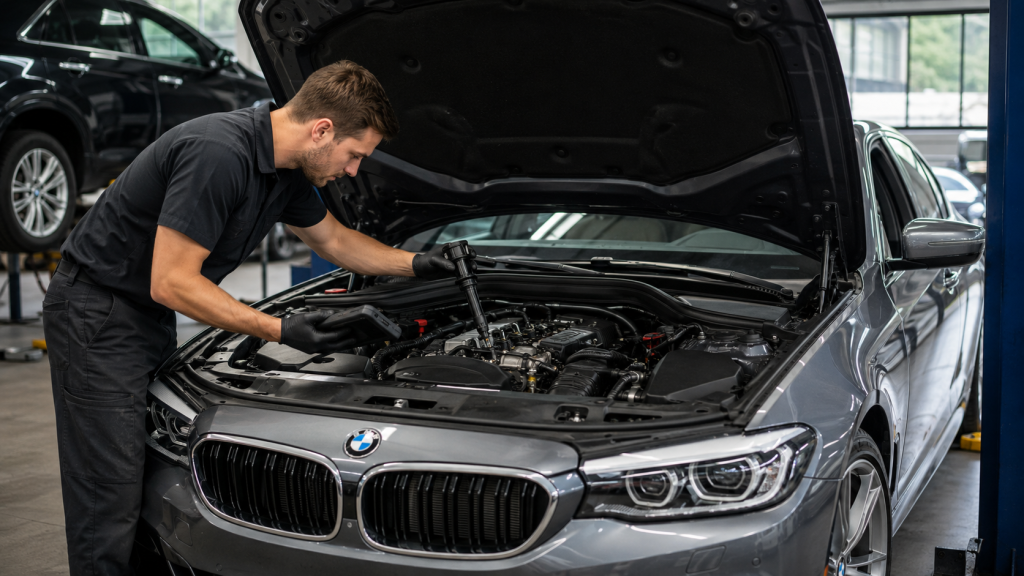
BMW ignition coil diagnosis and repair starts by confirming the faulty part before replacement begins. A rough idle or warning light may point toward a misfire. However, several parts can create the same cylinder fault. Therefore, testing matters before any coil gets replaced. A technician first reviews stored fault codes and engine data. Then the suspected cylinder receives targeted checks. In addition, the spark plug, wiring, and nearby components may need inspection. This process narrows the fault without relying on symptoms alone. BMW Ignition Coil Diagnosis Begins With Fault Codes What does a cylinder misfire code prove? It identifies where the misfire was detected, but it does not name the failed part. For this reason, a code such as P0301 points toward cylinder one. However, that cylinder can misfire for several reasons. In addition, the ignition coil may fail to create a strong spark. Likewise, a worn spark plug can also interrupt combustion. Fuel delivery or wiring concerns may create similar results. Therefore, code review works as the first diagnostic branch. The technician can compare stored faults with engine data and recent operating history. In addition, multiple cylinder codes may change the testing path. Before replacing parts, a technician may review several items: more The stored code shows which cylinder needs closer testing and whether more than one cylinder has a recorded misfire. Engine data can show whether the fault returns at idle, during acceleration, or after the engine reaches operating temperature. Other stored faults may point toward electrical, fuel, or mechanical concerns that need review before coil replacement. The code gives the technician a starting point. Therefore, the next step is proving whether the suspected coil caused the fault. Coil Testing Can Isolate the Fault How does moving a coil confirm the problem? A technician can move the suspected coil to another cylinder and watch the fault location. For this reason, suppose cylinder two has a misfire code. Then the technician can move that coil to a known good cylinder. Then the fault memory gets cleared before the engine runs again. If the misfire moves with the coil, the evidence points toward that coil. By contrast, a misfire that stays on cylinder two sends testing elsewhere. This method separates the component from the cylinder location. BMW diagnostic guidance has used this approach because some coil faults appear only while the engine runs. A coil may look normal during a visual check. However, heat and engine load can reveal an internal fault. Therefore, the swap test adds stronger evidence before replacement. It also reduces the chance of replacing a good coil while the original problem remains. Spark Plugs Need Inspection During Diagnosis Why inspect the spark plug when the coil is already suspected? The plug works with the coil to create the spark inside the cylinder. In addition, a worn electrode can require more voltage for a clean spark. Furthermore, fouling can interfere with ignition. In addition, oil inside the plug well can contaminate the coil boot and plug area. Therefore, the technician may remove the plug and inspect its condition. Deposits, wear, damage, or contamination can change the repair path. The plug service history also gives useful context. A coil replacement may not solve a misfire caused by a worn plug. Likewise, a damaged coil boot may point toward oil entering the plug well. That can require another repair beyond the ignition part itself. For this reason, coil and plug inspection work together. Each part sits in the same ignition path, so both deserve attention during diagnosis. A Misfire Can Lead to Other Diagnostic Checks What happens if the misfire stays on the same cylinder after a coil swap? The technician keeps testing other possible causes on that cylinder. Therefore, the spark plug is a common next check. However, the fuel injector, wiring, connector, or mechanical sealing may also need review. Each can interrupt combustion without moving with the coil. In addition, electrical testing can reveal connector or wiring concerns. Fuel testing may point toward an injector problem. Mechanical testing may follow when ignition and fuel checks do not explain the fault. This branch matters because a misfire code cannot separate every cause by itself. Therefore, professional diagnosis follows evidence from one test to the next. The owner should expect the technician to explain what was tested and what the results showed. That record creates a clearer reason for the repair that follows. Ignition Coil Repair Includes Verification After Replacement What happens after testing confirms a failed coil? The technician removes the faulty part, installs the correct replacement, and checks the engine again. However, access varies across BMW engines. Some coils sit beneath covers that must come off first. Electrical connectors also need careful handling before the coil can be lifted from the plug well. After installation, the technician reconnects the hardware and clears stored fault codes. Then the engine runs again so the repaired cylinder can be checked. Post repair verification may include another scan and a road test. The technician wants to confirm that the misfire does not return. In addition, engine operation should remain smooth across the tested range. Parts selection matters during this work. A replacement coil must match the BMW engine and ignition setup. Spark plug work may also be completed when inspection shows wear or related concerns. Replacement finishes the mechanical part of the job. Verification confirms whether the repair corrected the original fault. Repair Cost Changes With the Work Required Why can one BMW ignition coil repair cost more than another? The total reflects diagnosis, parts, access, and any related work found during testing. In some repairs, a single confirmed coil may require limited parts work. However, worn spark plugs or oil contamination can add more labor and parts. Engine layout can also change how much disassembly is needed. Several cost inputs deserve review before authorizing repair: Diagnostic labor covers code review, testing, and fault isolation before replacement starts. Parts cost changes with the exact BMW engine, coil type, spark plug needs, and any related components. Labor time can rise when access requires more disassembly or when another fault needs separate testing. A service estimate should reflect the specific BMW and the findings from diagnosis. Therefore, a fixed price before testing may leave out needed work or include work that is unnecessary. Tom Bush BMW Orange Park can inspect the fault and explain the recommended repair path. If a warning light is flashing or the engine runs very rough, driving may risk further damage. In that situation, contact the service team before continuing the trip.

BMW Ignition Coil Symptoms Causes and Service Steps

BMW ignition coil symptoms can include rough idle, hesitation, starting trouble, reduced power, and a check engine light. However, these signs do not confirm a failed coil without testing. A spark plug, injector, wiring fault, air leak, or compression issue can create similar engine responses. For this reason, owners should focus on when each sign appears and how the engine responds. Those details give a BMW technician useful direction during diagnosis. They also reduce the chance of replacing a part that did not cause the concern. What Does a BMW Ignition Coil Do? A BMW ignition coil raises battery voltage so the spark plug can ignite the air and fuel mixture. Each combustion event needs a strong spark at the correct moment. The battery supplies low voltage electrical power. However, the spark plug needs far greater voltage to bridge its electrode gap. The ignition coil transforms that lower input into the stronger output needed for ignition. On many BMW engines, one coil sits above each spark plug. Therefore, one weak coil may interrupt combustion in one cylinder while the remaining cylinders continue firing. more That uneven firing can make the engine shake, stumble, or lose power. In addition, the engine computer may detect a speed change in the crankshaft after one cylinder fires poorly. A diagnostic code may then identify the cylinder with irregular combustion. Still, that code does not always name the failed part. The coil, plug, injector, wiring, fuel supply, or cylinder sealing may require inspection. Common BMW Ignition Coil Symptoms BMW ignition coil symptoms can appear at idle, during acceleration, or while the engine starts. The timing and severity can give the service team useful clues. A rough idle may feel like shaking through the seat or steering wheel. Because engine speed is low, uneven firing can become easier to notice while stopped. Hesitation may appear when entering Interstate 295 or accelerating through Jacksonville traffic. Higher cylinder pressure requires a stronger spark. Therefore, a weak coil may struggle more when the engine carries greater load. Reduced power can appear with hesitation or a warning message. The engine computer may limit output after detecting repeated misfires. That response protects other engine and exhaust parts from added strain. Starting trouble may include longer cranking or an uneven start. However, a weak battery, fuel concern, or sensor fault can produce a similar sign. Owners may also notice: Shaking that becomes stronger while the BMW remains stopped. Uneven acceleration when merging, climbing, or passing. A fuel smell after repeated misfires send unburned fuel toward the exhaust. Engine stalling when several combustion events fail at low speed. Lower fuel economy when the engine cannot burn the mixture cleanly. These signs should be recorded with the engine temperature and driving moment. For instance, note whether the concern appears only after a cold start. Also record whether rain, recent repairs, or refueling came before the change. Can You Drive With BMW Ignition Coil Symptoms? Driving with BMW ignition coil symptoms depends on warning severity and engine response. A flashing check engine light can mark an active misfire that threatens the catalytic converter. When the light remains steady, the BMW may still run. However, continued shaking, power loss, or repeated stalling calls for prompt service guidance. When the light flashes, reduce engine load and move toward a safe location. Avoid hard acceleration because more unburned fuel may enter the exhaust. A hot catalytic converter can suffer damage when it receives excess fuel. Therefore, severe shaking and a flashing light should not be treated like a routine reminder. Stop driving when the BMW cannot maintain safe speed, stalls more than once, or produces strong fuel odors. Also stop when a warning message directs you to do so. A steady light without severe engine changes still needs diagnosis. Waiting can turn a smaller ignition concern into plug wear, exhaust damage, or starting trouble. The Tom Bush BMW Orange Park service center can review the concern and plan the correct inspection. Owners can also schedule BMW service online. Ignition Coil Versus Spark Plug Signs An ignition coil and spark plug can cause similar signs because they work together. The coil supplies voltage, while the plug creates the spark inside the cylinder. A worn plug may have a wide electrode gap or heavy deposits. Consequently, the coil must produce more voltage to fire that plug. This added demand can expose a weak coil. A damaged coil can also send an inconsistent spark through a good plug. Therefore, rough idle or a misfire code cannot identify one part without further checks. A technician may inspect plug wear, coil condition, wiring, and stored fault data. In addition, the technician may move a suspected coil to another cylinder. If the misfire moves with the coil, that result points toward the coil. If the misfire stays on the original cylinder, another cause needs review. Diagnostic steps may include: Reading fault codes and cylinder misfire counters. Inspecting spark plugs for wear, deposits, fuel, or oil. Checking coil connectors and nearby wiring for damage. Comparing coil operation between cylinders. Reviewing injector operation, fuel pressure, and cylinder compression when needed. Because several faults can create the same code, testing should guide the repair. Replacing every coil without diagnosis may add cost while leaving the original concern present. When a replacement part is needed, owners can review BMW parts and accessories. The correct part number must match the engine and production information. Diagnosis and BMW Service Next Steps Before scheduling service, write down when the concern began and what the BMW was doing. Clear notes can shorten the path from symptom review to testing. Record whether the engine was cold or warm. Also note whether the concern appeared at idle, during acceleration, or at steady speed. Furthermore, note any recent battery work, spark plug service, fuel stop, engine cleaning, or repair. These details can direct inspection toward a connector, plug well, fuel concern, or another nearby part. Bring the following information to the appointment: The warning message and whether the check engine light flashed. The speed, engine temperature, and driving moment when the sign appeared. Any recent repair work or parts replacement. Whether the concern changes after restarting the BMW. Any fuel smell, smoke, stalling, or strong vibration. During diagnosis, the technician can read stored faults and review live engine data. The inspection may continue with plugs, coils, wiring, injectors, fuel delivery, or compression. This process separates symptom recognition from a confirmed repair. Therefore, it protects the owner from guessing based on one light or one rough start. Orange Park owners can contact the service team when shaking, hesitation, or starting trouble appears. Prompt testing can identify the cause before repeated misfires harm related parts. After diagnosis, ask which cylinder recorded the fault and which test confirmed the cause. Also ask whether spark plug wear or another concern placed extra strain on the coil. BMW ignition coil symptoms deserve careful attention, but they do not support parts replacement by themselves. Accurate testing connects the engine sign with the correct next step.

BMW Brake Pad Replacement: Signs and Service Timing

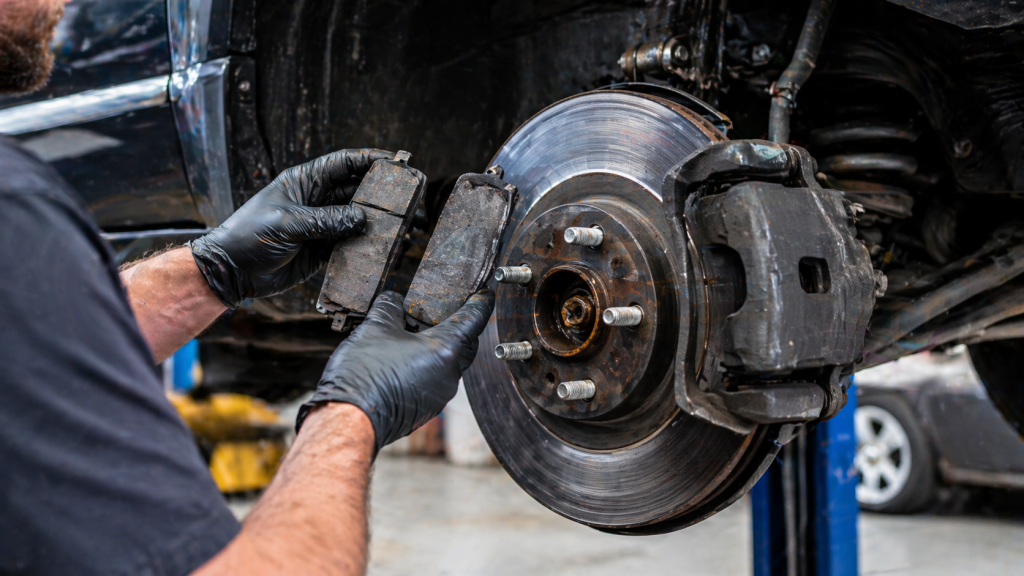
BMW brake pad replacement is one of the most common service decisions an owner faces, and knowing when to act makes the difference between a routine pad swap and a costlier brake system repair. BMW uses an electronic wear sensor system that alerts the driver at a specific pad thickness threshold. However, that warning light is not the only signal worth monitoring. Understanding how the sensor works, what physical signs precede it, and what a complete brake evaluation involves gives you a more accurate picture of where your brake system actually stands. How BMW Brake Wear Sensors Work BMW embeds electronic brake wear sensors directly into the brake pad material. Each sensor contains a resistive wire that maintains a closed electrical circuit while pad material surrounds it. As the pad wears to approximately 2 to 3mm of remaining thickness, the rotor contacts the wire and breaks that circuit. That interruption triggers the brake pad warning indicator on the instrument cluster. The sensor is a single-use component. Once the rotor severs the wire, the sensor cannot be reset or reused. A technician must replace it alongside the pad at every service. BMW typically installs sensors on the front inner pads and one rear pad. These positions wear fastest and generate the most reliable wear data across the axle. However, a rear sensor alert confirms the rear pads have reached threshold. It does not confirm the front pads are in good condition. more Furthermore, CBS brake monitoring tracks pad wear as part of the vehicle's continuous service calculation. The system uses wheel speed data, brake application frequency, and deceleration load to estimate remaining pad life between physical sensor triggers. Together, the CBS estimate and the physical sensor provide two layers of awareness before a pad reaches a critical state. Can You Drive After the BMW Brake Warning Light Appears? When the brake pad warning light activates, approximately 2mm of pad material remains at the sensor contact point. That thickness still provides functional stopping power. However, it represents a narrow safety margin. Most BMW owners can drive briefly after the alert without immediate mechanical danger. Continuing without scheduling service accelerates the risk of the pad reaching zero material, at which point the metal backing plate contacts the rotor directly. What Happens If You Delay Service Metal-on-metal contact between the backing plate and rotor causes rapid rotor scoring. It also significantly increases stopping distance. A pad replacement at $300 to $500 per axle becomes a pad and rotor replacement once scoring begins. Rotor replacement on a BMW adds $400 to $800 per axle depending on the model. Scheduling service within a few days of the warning light is the cleaner financial and safety decision. Grinding during braking is a separate signal that requires immediate attention. Unlike the warning light, grinding means pad material is already gone and metal contact is actively occurring. At that stage, driving to a service appointment compounds rotor damage with every stop. A BMW owner who hears grinding should schedule same-day service rather than waiting for a convenient opening. Why Do Front and Rear BMW Brake Pads Wear at Different Rates? Most vehicles wear front pads faster than rear pads. Braking shifts vehicle weight forward, loading the front axle with the majority of stopping force. BMW's calibration changes that dynamic on many models. Several BMW platforms apply a rear brake bias tuning that distributes more braking force to the rear axle at low to moderate deceleration levels. Additionally, BMW's brake-based limited-slip differential function uses rear brake application to redirect torque during cornering. That places heat and friction load on the rear pads outside of normal braking events. As a result, rear pads on certain BMW models wear at a rate closer to or faster than the fronts. An owner who checks front pad thickness and assumes the rears are in equal condition may miss a rear pad that has reached its sensor threshold. The CBS monitoring differences between front and rear axles mean the two wear rates can diverge without obvious warning until the sensor trips. Checking both axles at every service interval is the more accurate approach for a BMW. A technician performing a brake inspection should measure pad thickness at all four corners and report them independently. That gives you a complete picture of where each axle stands relative to the replacement threshold. Rotors and Brake Fluid: What a Full Brake Evaluation Covers Pad replacement Addresses the friction material but does not resolve rotor or fluid conditions that affect brake system function. A thorough brake evaluation covers three components: pad thickness measurement, rotor inspection, and brake fluid moisture assessment. Rotor Inspection Rotors carry a minimum thickness specification stamped or cast into the rotor hat. A technician measures rotor thickness with a micrometer at multiple points across the face. A rotor that has worn below minimum specification requires replacement regardless of surface appearance. Beyond thickness, the technician inspects for scoring, which are grooves cut into the rotor face by worn pad material or debris. A scored rotor accelerates wear on new pads and reduces the contact area between pad and rotor. Heat cycling also causes rotor warping, where the rotor face develops a slight runout that the driver feels as a pulsation through the brake pedal. Rotor minimum thickness is a hard specification, and a rotor measuring below that number requires replacement even if the surface looks acceptable Scoring deeper than 1.5mm into the rotor face cannot be corrected by resurfacing and requires full rotor replacement Brake fluid moisture content above 3 percent indicates the fluid has absorbed enough water to lower its boiling point, which BMW's CBS system flags as a service need independent of pad wear Brake fluid connects to pad service in a way most owners do not expect. Fluid with high moisture content boils under sustained heat load. That creates vapor pockets in the hydraulic line. Those pockets compress instead of transmitting pressure, causing the pedal to feel soft under repeated hard stops. New pads cannot compensate for degraded fluid. A complete brake evaluation should confirm fluid condition before the appointment closes. Service Timing and What to Expect at the Dealer BMW brake pad replacement intervals vary by model, driving pattern, and axle position. Front pads on most BMW models reach service threshold between 30,000 and 50,000 miles under mixed driving. Rear pads on models with brake-based differential function may reach threshold earlier. Aggressive urban driving, frequent highway braking, and towing accelerate wear on both axles. At an authorized BMW dealer, a brake pad replacement service includes pad removal, wear sensor replacement, rotor inspection, caliper slide pin lubrication, and a brake system pressure check. The technician documents pad thickness at all four corners and notes rotor condition in the service record. That documentation matters for CBS recalibration after service and for the vehicle's service history under a transferable maintenance plan. Front brake pad and rotor replacement at an authorized BMW dealer typically runs between $600 and $1,100 per axle depending on model and rotor specification Rear brake pad and rotor replacement runs between $500 and $900 per axle on most BMW models, with M Sport and performance trim variants carrying higher parts costs Scheduling service promptly after a warning light alert avoids rotor scoring and keeps the repair within the pad-only cost range Tom Bush BMW's service team handles brake inspections and pad replacement with BMW-trained technicians and genuine BMW parts. That ensures the CBS system recalibrates correctly after service. For Jacksonville drivers who want accurate brake wear data and a complete axle-by-axle evaluation, scheduling a brake inspection before the warning light appears is the most cost-controlled path through BMW brake ownership.

BMW Oil Change Cost at a Dealership: What’s Included and Why It Matters

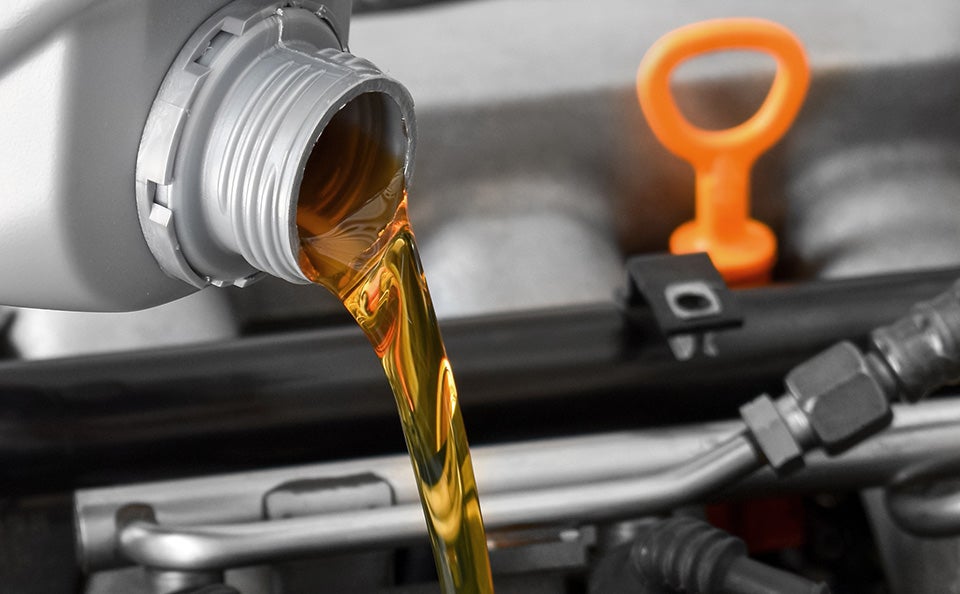
A BMW oil change is not just a routine fluid replacement. It is part of a system designed to maintain engine performance, manage internal wear, and support long-term reliability. For many owners, the cost of a dealership oil change raises an immediate question. Why is it higher than a standard oil service, and what are you actually paying for. The answer comes down to how BMW engines are designed, the type of oil they require, and the process used to ensure the system continues to operate as intended. Understanding these factors allows you to evaluate the cost based on function rather than perception. Why does a BMW oil change cost more A BMW oil change costs more because the engine system is built around higher performance tolerances that require specific oil formulations, controlled service procedures, and precision monitoring. BMW engines, particularly turbocharged models, operate under higher temperatures and pressures than standard engines. This creates greater demand on the oil to maintain viscosity, resist breakdown, and protect internal components. Synthetic oil used in BMW vehicles is engineered to handle: more High thermal stress from turbocharged operation Extended service intervals without rapid degradation Precise lubrication across tightly engineered components In addition to the oil itself, the service includes a specialized oil filter designed to maintain proper flow and filtration under these conditions. The cost also reflects the service environment. BMW dealership technicians are trained to work within manufacturer specifications, ensuring that oil type, quantity, and system resets align with the vehicle’s design. From a system perspective: Oil quality directly affects engine efficiency and wear Incorrect oil can lead to reduced performance or long-term damage Service accuracy ensures the engine continues to operate within its intended parameters For a BMW owner, this means the cost is tied to maintaining a system, not just replacing a fluid. What is included in a BMW oil change at a dealership A BMW dealership oil change includes a structured service process that evaluates engine condition, replaces critical components, and updates the vehicle’s maintenance tracking system. It is designed to ensure that the engine continues to perform as expected between service intervals. The service typically includes: Draining and replacing engine oil with BMW-approved synthetic oil Replacing the oil filter with a manufacturer-specific component Inspecting key engine and fluid systems Resetting the Condition Based Service system The inspection component is what separates dealership service from a basic oil change. Technicians evaluate areas that can influence engine performance or indicate early wear. This may include: Checking for oil leaks or abnormal consumption Inspecting fluid levels and condition Reviewing system alerts and diagnostic data Resetting the Condition Based Service system is also critical. BMW vehicles track oil life based on real-time operating conditions. Without resetting the system correctly, the vehicle cannot accurately monitor future service needs. For BMW owners, this means the oil change is part of a larger maintenance process that keeps the vehicle aligned with its engineered service schedule. How BMW oil systems and specifications affect performance BMW engines are designed with specific oil requirements that directly influence performance, efficiency, and durability. These requirements are defined by oil specifications that ensure compatibility with engine design and operating conditions. BMW-approved oils must meet standards that account for: Viscosity stability across temperature ranges Resistance to oxidation and breakdown Compatibility with engine seals and internal components Turbocharged BMW engines rely on consistent oil flow to manage both lubrication and heat dissipation. The oil not only reduces friction but also carries heat away from critical components such as the turbocharger. If the oil does not meet required specifications: Lubrication may become inconsistent under load Heat management can be reduced Internal wear may increase over time BMW’s oil monitoring system tracks how the oil is performing based on engine operation. This includes factors such as temperature, load, and driving patterns. The system uses this data to determine when the oil is no longer performing at the required level. For owners, this means oil is not interchangeable. The correct oil specification is part of the engine’s design, and using the proper formulation ensures the system continues to function as intended. How to evaluate BMW oil change cost vs long-term value Evaluating the cost of a BMW oil change requires looking at how the service contributes to long-term engine performance and ownership stability. The price reflects both the materials used and the process required to maintain the system. A lower-cost oil change may reduce immediate expense but can introduce risks if the oil does not meet BMW specifications or if the service process does not align with the vehicle’s monitoring system. Key considerations include: Whether the oil meets BMW-approved specifications Whether the service includes proper system reset and inspection How the service supports long-term engine health From a decision standpoint: Proper oil maintains engine efficiency and reduces wear Accurate service intervals prevent premature degradation Consistent maintenance supports long-term reliability For BMW owners, the oil change is not just a routine service. It is a maintenance function that directly impacts how the engine performs over time. When evaluated through that lens, the cost becomes part of preserving the vehicle’s intended performance and avoiding more significant repairs in the future.

BMW Oil CHange

How Often Should You Get Your BMW's Oil Changed?

The motor oil in your engine plays a crucial role in the world-class performance of your BMW vehicle. When it's time for an oil change in Orange Park, the best place to go for trusted service and high-quality motor oil is Tom Bush Orange Park in Jacksonville. Learn the ins and outs of oil service before you drop by. It's a good idea to schedule an oil service every 7,500 for new BMW vehicles. The motor oil used in new cars tends to last longer than the oil used on older engines, which is why the age-old recommendation to schedule oil service every 3,000 miles isn't common anymore. For most drivers, an oil service every 7,500 or so miles means scheduling service twice a year, or once every six months. Even if you don't drive your BMW every day, a six-month oil service is a good idea. This is because the motor oil in your engine will naturally degrade over time, regardless of how often you drive your vehicle. By the same token, if you drive your car long distances every day and rack up a lot of miles on your car, you may want to schedule oil service more frequently. Are There Best Times to Schedule Oil Service? Aside from keeping an eye on your odometer, there are two other times when it's a good idea to schedule an oil service. First, if you plan to take your car on a long road trip, you should schedule service before your trip to ensure your car is in good condition. It's also a good idea to schedule oil service after extreme heat to make sure your oil levels are good. more What Type of Oil Is Best? In general, newer vehicle models tend to run on synthetic or semi-synthetic motor oil rather than conventional oil. While conventional oil can get the job done to lubricate the internal parts of your engine, synthetic oil is specially developed to pull heat from the engine, protect it from friction, and enhance motor performance. Our Service Techs will consult BMW's recommendations for your precise make and model to service your vehicle so your engine gets the best care. Genuine motor oil from BMW, along with genuine oil and air filters, will promote excellent vehicle performance in the long run. Most drivers should schedule oil service with genuine BMW motor oil at least twice a year, even if the BMW vehicle isn't driven every day. When you notice performance issues, like less fuel economy, you should schedule service right away. Book your oil service appointment at Tom Bush BMW Orange Park in Jacksonville, FL.

BMW Roadside Assistance

BMW Roadside Assistance

More Than a Safety Net—It’s a Driving Companion At Tom Bush BMW Orange Park, we know that driving a BMW is about more than performance and luxury—it’s about confidence. That’s why every new and Certified Pre-Owned BMW comes with a powerful promise: BMW Roadside Assistance, a 24/7 lifeline that travels with you across all 50 states, Canada, and Puerto Rico. What Does BMW Roadside Assistance Cover? Towing Service: If your BMW becomes disabled due to mechanical failure, accident, or hazard damage, it will be towed to the nearest authorized BMW Center. Battery Jump-Start: Quick on-site assistance to restart your vehicle if the battery dies. Flat Tire Assistance: Help with replacing a flat tire using your spare or repairing minor punctures. Emergency Fuel Delivery: If you run out of fuel, BMW Roadside Assistance will deliver enough to get you to the nearest station. Lockout Support: If you accidentally lock your keys inside your BMW, assistance is provided to regain access. Trip Interruption Benefits: Reimbursement of up to $1,000 for lodging, meals, and transportation if your breakdown occurs more than 100 miles from home. Master Technician Team (MTT): Remote diagnostics via BMW’s telematics system, offering expert guidance during emergencies. Unique to BMW: Telematics + Human Expertise more BMW Roadside Assistance isn’t just reactive—it’s predictive. Thanks to BMW’s advanced telematics system, your vehicle can transmit diagnostic data directly to the Master Technician Team, who can offer real-time advice or recommend service before a problem escalates. This fusion of technology and human expertise is what sets BMW apart. Why Tom Bush BMW Orange Park Is Your Roadside Ally 1. Local Knowledge, Global Support Our team at Tom Bush BMW Orange Park knows Jacksonville’s roads, traffic patterns, and weather conditions. That means we can guide you through roadside events with precision and empathy. 2. Seamless Activation Need help? Just press the BMW Assist eCall (SOS) button, use the BMW Connected App, or call 1-800-332-4269. We’ll take it from there. 3. No Mileage Limits, No Extra Costs BMW Roadside Assistance is included for 4 years/unlimited miles on new BMWs and up to 6 years/unlimited miles on Certified Pre-Owned vehicles. No hidden fees, no fine print. Visit Us to Learn More Whether you're buying your first BMW or upgrading to a new model, Tom Bush BMW Orange Park ensures you're covered—on the road and off. Stop by to explore our inventory and learn how BMW Roadside Assistance can be your silent co-pilot.

2026 BMW X1 at Tom Bush BMW Orange Park

Discover the 2026 BMW X1: Where Innovation Meets Everyday Luxury

At Tom Bush BMW Orange Park, we believe driving should be more than just a commute—it should be a daily dose of joy. That’s why we’re thrilled to introduce the 2026 BMW X1, a compact luxury SUV that redefines versatility, performance, and tech-forward design. Whether you're navigating Jacksonville’s scenic roads or heading out for a weekend escape, the X1 is ready to elevate every mile. Key Highlights of the 2026 BMW X1 xDrive28i Feature Details Engine 2.0-liter TwinPower Turbo 4-cylinder Horsepower 241 hp 0–60 mph 6.2 seconds (BMW AG preliminary test results) Starting MSRP $42,800 Drive System Standard xDrive All-Wheel Drive Transmission 7-speed dual-clutch Steptronic Sources: BMW USA Official Site What Makes the 2026 X1 Stand Out? more 1. BMW Curved Display: A Digital Command Center Step inside and you’re greeted by a sleek, frameless BMW Curved Display that seamlessly integrates driving data and infotainment. It’s not just a screen—it’s your co-pilot. 2. Veganza Upholstery with Premium Stitching The X1’s interior features soft-touch Veganza seats and a contrast-stitched dash that blends comfort with sophistication. It’s a cabin that feels as good as it looks. 3. Performance Control Meets Everyday Driveability With BMW’s xDrive system and Performance Control, the X1 adapts to Florida’s changing road conditions—rain or shine—with confidence and precision. 4. Compact Yet Spacious Don’t let its size fool you. The X1 offers generous cargo space and a bold, upright stance that makes it perfect for both city errands and weekend adventures. Why Buy Your BMW X1 at Tom Bush BMW Orange Park? Local Expertise: Our team knows Jacksonville roads and can help you configure the perfect X1 for your lifestyle. Exclusive Inventory: We offer early access to the latest BMW models, including the 2026 X1. Personalized Service: From test drive to delivery, we make your BMW experience seamless and memorable. Visit Us Today Ready to experience the 2026 BMW X1? Visit Tom Bush BMW Orange Par k and let us show you how this SUV blends luxury, performance, and everyday practicality like no other.

BMW oil change Service

Maintaining Your BMW: Service Intervals and Tips

Your BMW will continue to outpace, outmaneuver, and outclass most other cars on the road as long as you keep it well-serviced. Here's a suitable BMW maintenance schedule to follow. Essential BMW Care: Service Schedule & Maintenance Tips Change Motor Oil Motor oil is the secret sauce behind your car's impressive horsepower. Keep your oil fresh with changes every six months to ensure smooth engine performance for many years ahead. Replace Air Filters Your BMW has at least two air filters, possibly three in hybrid models. Cabin, engine, and battery air filters must be replaced at least once a year. Check your filters for clogging more frequently. Flush Coolant Engine coolant will typically last two or three years before it must be flushed and replaced. Have your cooling system fully tested and inspected once a year along with the coolant. more Inspect Brakes Your car's precision brakes are reliable and very durable, but still undergo steady wear from usage. Have them inspected by a professional yearly, with brake pads and rotors replaced as required. Check Tire Pressure The quality of your handling relies on the tires, which should always be kept at the right PSI. Check the air pressure inside each tire every month and adjust the air whenever needed. Rotate Tires Tires also need frequent rotations to remain matched in size and tread wear. Book a rotation every six months. At the same time, ask our technicians to measure tire alignment and balance any tires that need it. Service Transmission BMW transmissions are innovative, high-performance contraptions. You'll keep yours shifting quickly and smoothly with yearly inspections and regular checks of the transmission fluid, which will need to be flushed every 60,000 to 100,000 miles. Suspension Inspection Also, once a year, have your suspension examined and tuned. You'll need our qualified BMW technicians to properly service the advanced suspension system in a BMW. Check Belts and Hoses The timing belt and serpentine belt serve core vehicle functions and need to be checked at least yearly. Likewise, periodically have all your car's lines and hoses inspected for wear, cracks, or leaks. Wax Paintwork Regular waxing not only keeps your BMW looking beautiful, but also protects against corrosion and preserves its long-term value. You'll need to have fresh wax applied at least twice a year. Replace Wipers During wet season in Florida, heavy rain sometimes falls unexpectedly. Keep your car ready with topped up windshield wiper fluid and strong wipers, which you'll need to replace once or twice a year. Make Your BMW Maintenance Schedule a Breeze With an arranged servicing schedule, you'll make it far easier to keep your BMW in great shape. You'll also avoid the more costly repairs that result from neglected components. Your BMW deserves nothing short of premium service. Visit Tom Bu s h BMW Orange Park in Jacksonville, FL, to schedule all these services and more with our specialist technicians.

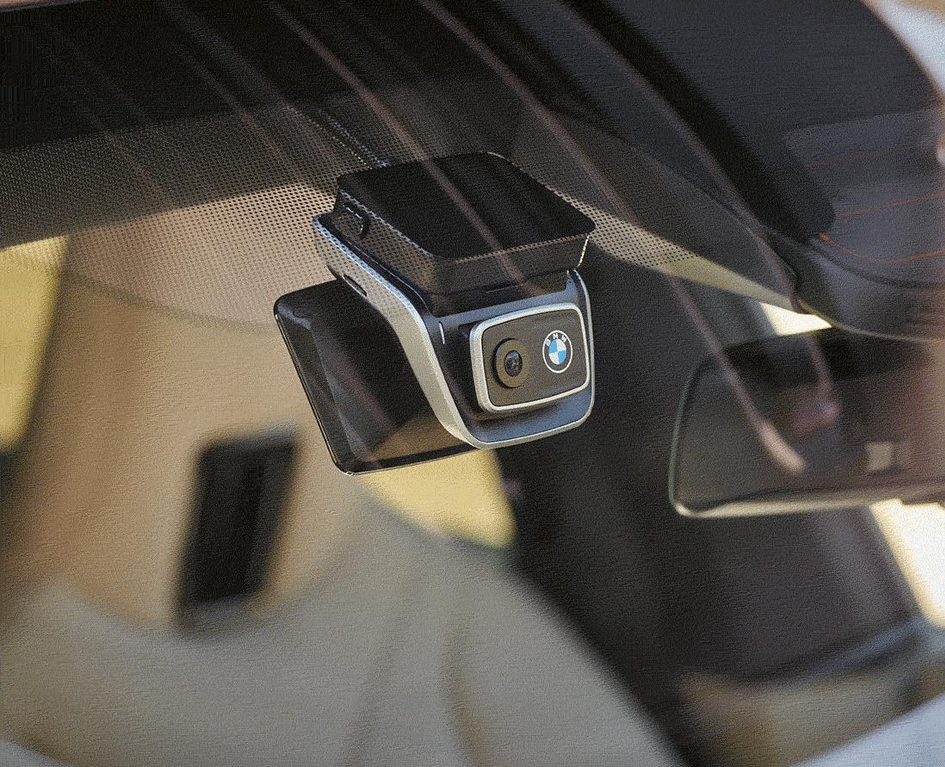
BMW Advanced Car Eye 3.0 Pro featuring a high resolution QHD windshield-mounted camera

Genuine BMW Accessories: Customize Your Vehicle

As a BMW owner, you no doubt love your car and all the values of quality and performance that BMW represents. If you want to invest in improving and personalizing both your car and lifestyle even further, BMW has a wonderful array of accessories to enjoy. Consider the following popular genuine BMW accessories, all of which are constructed to the highest of standards in design and construction. more Genuine BMW Accessories: Enhance Your Car and Lifestyle All-Weather Floor Mats BMW offers a wide range of all-weather floor mats with varying elegant designs and colors. You can protect your floor from dirt, crumbs, and spills, removing and cleaning the mats with ease when required. As genuine BMW mats, they fit your floor areas perfectly without any awkward gaps for dirt to get into (as are often left by generic aftermarket floor mats). Advanced Car Eye With Display Maximize your visibility, road safety, and vehicle security with a combination of high-resolution cameras fitted neatly to the windshield and rear window. Advanced Car Eye Pro 3.0 With Display monitors your car at all times, both when driving and parked, with light-sensitive lenses for night and day monitoring. This clever camera system has smart sensors and automatic recording that ensure it captures any potential collision or robbery threats. BMW Cleaning and Care Products If you wish to treat your luxury car to the best care possible, use genuine BMW cleaning products designed to preserve the like-new look and smell of your car for years. BMW offers a broad range of specialist cleaning and care products, including a kit for leather upholstery care and UV protection, car wash shampoo, a high-end windshield washer for streak-free wipes, wheel cleaning gel, odor remover, ambient air refresher, and more. Rechargeable LED Flashlight When out and about at night, you never know when you might need a handy, powerful flashlight. This stylish little stainless-steel flashlight has a powerful 10-lux beam and a high-performance battery built to last. You can plug it into the 12-volt onboard charging port for quick charging. BMW Baby Racer There are BMW accessories for all the family. You could treat your child to a miniature BMW racer that's beautifully designed and available in a variety of different colors. These fun, ridable toy cars are made with soft high-quality materials and have whisper-quiet tires designed for minimal roll resistance. BMW Miniatures These stunning, meticulously crafted miniatures are for true BMW fans, adults and kids alike. The detail on each miniature is incredible, down to the rubber tires and opening doors. You can collect one for each BMW vehicle, including new and classic models. Visit Tom Bush BMW Orange Park in Jacksonville, FL, to browse these and many more superb BMW accessories. For two decades, we've been delivering world-class cars, maintenance services, and customer care to the region's most discerning drivers.

Brakes

How Often Should You Get New Brake Pads for Your BMW?

As a BMW owner, you should expect a consistently precise and responsive performance from the brakes each time you press the pedal. The brake pads generate the friction required to stop your car and are key to firm brake force. It's important to routinely replace worn-out pads with new brake pads at your local BMW dealership. Let's look at how frequently you'll need to do so. How Often Should You Get New Brake Pads for Your BMW? Brake Pads Last From 25,000 to 65,000 Miles With some vehicle services, it's easy to set up a strict schedule for replacements; motor oil should be changed twice a year, for example. However, with brake pads, there's no one-size-fits-all answer to the question of replacement intervals. Brake pads can last anywhere from 25,000 to 65,000 miles, depending on various factors. more What Type of Brake Pads Are You Using? The first step is to find out which material your pads are made from. In diminishing order of toughness, BMW pads can be ceramic, fully metallic, semi-metallic, or constructed from an organic compound. If you're unsure which type of pad you're currently using, ask a trusted technician to figure it out and calculate how the material might influence each pad's lifespan. How Much Strain Do You Put on Your Brakes? A more significant factor is how much you use your brakes. Drivers who primarily drive along open highways, avoiding heavy traffic, will generally have longer-lasting brake pads. Conversely, if you spend several hours each week navigating stop-and-go traffic, your brake pads are undergoing far more wear and tear. Likewise, steep mountainous roads, carrying heavy loads, or towing trailers can also put excessive strain on the brakes and shorten brake pad longevity. Key Warning Signs of Worn-Out Brake Pads When it comes to brake pad lifespan, the key is to keep an eye on them and understand the signs of a worn-out pad. You can visually check your pads by looking between the wheel spokes; pay attention to how thick the pad's upper friction layer is. If you ever hear squealing while braking, one of your pads might be trying to tell you it's time for a replacement. Grinding sounds or extended stopping distances are more urgent indicators that a pad needs to go. Your BMW Dealership Can Inspect or Change Your Pads All safety-conscious drivers should have their brakes inspected at least twice a year. During their inspections, our technicians will check the brake fluid and brake lines and also remove the calipers, rotors, and brake pads. They can then closely examine each pad and let you know how much longer it's likely to last. Visit Tom Bush BMW Orange Park in Jacksonville, FL, today to have your brake pads examined by experienced professionals. We're a local award-winning dealership dedicated to providing high-end customer care that's worthy of the prestigious BMW brand.

BMW Servicing

4 Reasons to Get Differential Service at Your Dealership

You know you need regular oil changes and tire rotations but you may not realize the benefits of a differential service from your BMW dealership. 4 Reasons to Get Differential Service at Your BMW Dealership Keep Your BMW on the Road The location and number of your BMW's differential depends on whether you drive a front-wheel drive, rear-wheel drive, or all-wheel drive. With both front and rear-wheel drives, your vehicle has a single differential that must be maintained. With all-wheel drive, there are two differentials. The differential evenly distributes power to your wheels and maintains wheel speed when you turn right or left. The differential fluid, sometimes known as gear oil, lubricates the different parts of your differential. This fluid is flushed out and replaced during service. When the fluid runs low, this can lead to a grinding noise. Routine service on the differential should be completed around 60,000 to 90,000 miles. This helps your BMW turn properly and prevents damage to the seals, gaskets, or plugs. more Save on Future Repairs and Inconvenience It's less expensive to maintain your vehicle than it is to replace broken parts including your differential. Skipping this much-needed service or ignoring strange noises while driving can lead to costly repairs. A full differential replacement can cost around a few thousand dollars, depending on your specific make and model. You won't be able to drive your vehicle while it's being repaired which can be inconvenient when you have a busy schedule. Service You Can Trust Beyond mechanical reasons, there is another good reason to schedule service with us. Our technicians are BMW-trained and certified to work on all BMWs. We will inspect the differential, flush out the old fluid, and replace it with new fluid. If we find any problems with the differential, we'll let you know as soon as possible, and explain what repairs need to be done and why. If gaskets or seals need to be replaced or your BMW needs a new differential, we only use original BMW parts that have a two-year warranty. You can rest easy knowing we will take care of your BMW and that we stand by the parts we use. Maintain Your BMW's Value Whether you intend to pass down your BMW to a young driver in your family or you'll trade it in when at some point in the future, the best way to maintain a vehicle's value for the future is through routine maintenance, including service on your differential. Our service technicians understand the importance of a vehicle's value and can help keep it running well for as long as you drive it. Does your BMW have over 60,000 miles on it? Contact Tom Bush BMW Orange Park in Jacksonville, FL to schedule service today.

Tire Maintenance

Tire Maintenance: 3 Tips for Taking Care of Your Tires

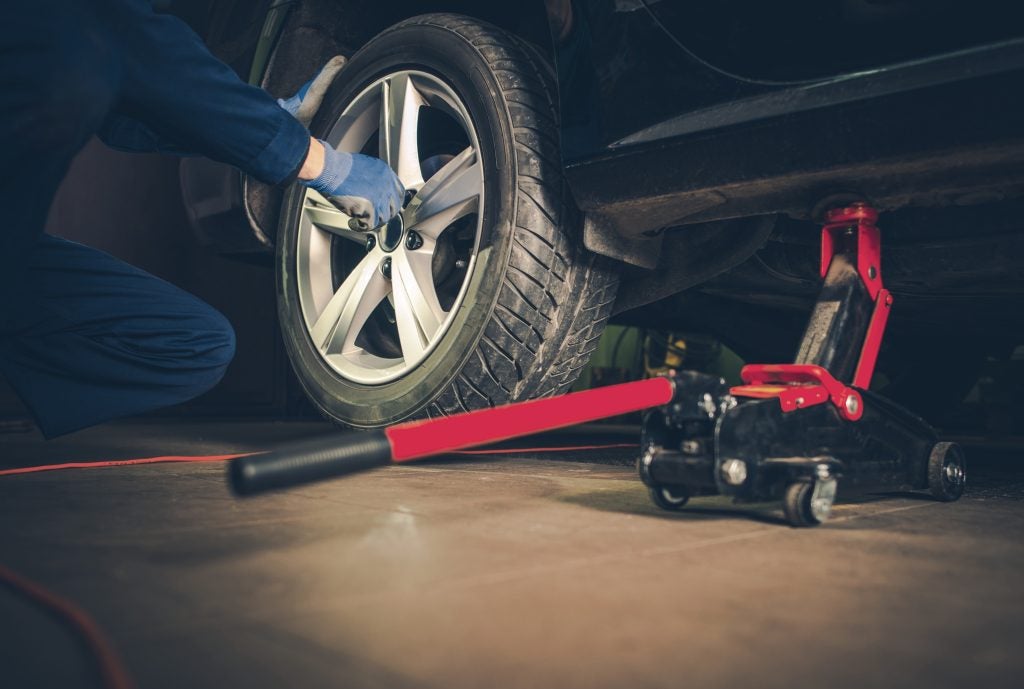
Proper tire maintenance is crucial for keeping your vehicle in great shape. Tires are the only point of contact between you and the road, and they need to be regularly monitored and maintained. Here are some useful tips to help you extend the lifespan of your tires. Don't forget that your BMW dealership is the best place to go for all of your tire-related needs. Tire Maintenance: 3 Tips for Taking Care of Your Tires 1. Monitor Tire Pressure Incorrect tire pressure can adversely affect your vehicle's handling and braking capabilities and may lead to catastrophic failure. Over-inflating and under-inflating your tires will result in uneven tread wear, compromising the ability of your tires to maintain their grip on the road, which can be dangerous in wetter conditions. Maintaining optimal pressure will prolong the life of your tires. Newer vehicles come with in-built tire pressure monitoring systems, making it easier to check that you have the right amount of pressure. If you're using older tires, make sure you're manually checking tire pressure every month and before you do any long road trips. A portable tire pressure gauge is a handy tool to have with you in your glove box. more 2. Rotate Your Tires Your tires will eventually wear down, but did you know that regularly rotating your tires will help to slow this process down? Each wheel position on your vehicle will result in different tread wear patterns on your tires. If you don't rotate your tires, you'll have excessive wear on certain parts of your tires, which can affect vehicle performance. Vehicle and tire manufacturers provide a recommended tire rotation schedule for your vehicle. It's important to know your vehicle's body layout, such as front-wheel (FWD) or rear-wheel drive (RWD), as these have different rotation requirements. Following the recommended rotation pattern and schedule will help you prolong the life of your tires. 3. Don't Exceed the Load Capacity The load amount of your vehicle can affect the life of your tires. Different vehicle types will have different load amounts, and your tires must be able to move this load effectively and safely. If you're regularly loading your vehicle with heavy items, you may be putting undue pressure on your tires that can lead to early wear and tear, or even failure. Each tire comes with a tire load index printed on the sidewall. This number identifies the maximum weight that it can support when properly inflated. Schedule Maintenance Through Your BMW Dealership Regular vehicle inspections will help you identify any maintenance issues as they arise, from inflation issues to uneven tread wear from rotation. Your local dealer is the best place to ask all your tire-related questions and book the services you need to keep your vehicle running smoothly. Contact us at Tom Bush BMW Orange Park in Jacksonville, FL to book your maintenance service today.

Contact Us

Fill out this form below and we'll contact you shortly
*Required Fields