
Blog / Tom Bush BMW Orange Park Service

Blog

All Tom Bush BMW Orange Park Service Jacksonville BMW Dealer Tom Bush BMW Orange Park Things To Do In Jacksonville Jacksonville BMW Service Jacksonville Amenities Jacksonville Luxury Cars Jacksonville Entertainment Jacksonville Used Cars Tom Bush Family of Dealerships Jacksonville Restaurants Jacksonville Eateries Jacksonville Parks Family Fun in Jacksonville Jacksonville Landmarks Orange Park Florida BMW Dealer Day Trips Jacksonville Art Jacksonville Foodies Jacksonville Road Trips Tourists Fun

BMW Ignition Coil Symptoms Causes and Service Steps

BMW ignition coil symptoms can include rough idle, hesitation, starting trouble, reduced power, and a check engine light. However, these signs do not confirm a failed coil without testing. A spark plug, injector, wiring fault, air leak, or compression issue can create similar engine responses. For this reason, owners should focus on when each sign appears and how the engine responds. Those details give a BMW technician useful direction during diagnosis. They also reduce the chance of replacing a part that did not cause the concern. What Does a BMW Ignition Coil Do? A BMW ignition coil raises battery voltage so the spark plug can ignite the air and fuel mixture. Each combustion event needs a strong spark at the correct moment. The battery supplies low voltage electrical power. However, the spark plug needs far greater voltage to bridge its electrode gap. The ignition coil transforms that lower input into the stronger output needed for ignition. On many BMW engines, one coil sits above each spark plug. Therefore, one weak coil may interrupt combustion in one cylinder while the remaining cylinders continue firing. more That uneven firing can make the engine shake, stumble, or lose power. In addition, the engine computer may detect a speed change in the crankshaft after one cylinder fires poorly. A diagnostic code may then identify the cylinder with irregular combustion. Still, that code does not always name the failed part. The coil, plug, injector, wiring, fuel supply, or cylinder sealing may require inspection. Common BMW Ignition Coil Symptoms BMW ignition coil symptoms can appear at idle, during acceleration, or while the engine starts. The timing and severity can give the service team useful clues. A rough idle may feel like shaking through the seat or steering wheel. Because engine speed is low, uneven firing can become easier to notice while stopped. Hesitation may appear when entering Interstate 295 or accelerating through Jacksonville traffic. Higher cylinder pressure requires a stronger spark. Therefore, a weak coil may struggle more when the engine carries greater load. Reduced power can appear with hesitation or a warning message. The engine computer may limit output after detecting repeated misfires. That response protects other engine and exhaust parts from added strain. Starting trouble may include longer cranking or an uneven start. However, a weak battery, fuel concern, or sensor fault can produce a similar sign. Owners may also notice: Shaking that becomes stronger while the BMW remains stopped. Uneven acceleration when merging, climbing, or passing. A fuel smell after repeated misfires send unburned fuel toward the exhaust. Engine stalling when several combustion events fail at low speed. Lower fuel economy when the engine cannot burn the mixture cleanly. These signs should be recorded with the engine temperature and driving moment. For instance, note whether the concern appears only after a cold start. Also record whether rain, recent repairs, or refueling came before the change. Can You Drive With BMW Ignition Coil Symptoms? Driving with BMW ignition coil symptoms depends on warning severity and engine response. A flashing check engine light can mark an active misfire that threatens the catalytic converter. When the light remains steady, the BMW may still run. However, continued shaking, power loss, or repeated stalling calls for prompt service guidance. When the light flashes, reduce engine load and move toward a safe location. Avoid hard acceleration because more unburned fuel may enter the exhaust. A hot catalytic converter can suffer damage when it receives excess fuel. Therefore, severe shaking and a flashing light should not be treated like a routine reminder. Stop driving when the BMW cannot maintain safe speed, stalls more than once, or produces strong fuel odors. Also stop when a warning message directs you to do so. A steady light without severe engine changes still needs diagnosis. Waiting can turn a smaller ignition concern into plug wear, exhaust damage, or starting trouble. The Tom Bush BMW Orange Park service center can review the concern and plan the correct inspection. Owners can also schedule BMW service online. Ignition Coil Versus Spark Plug Signs An ignition coil and spark plug can cause similar signs because they work together. The coil supplies voltage, while the plug creates the spark inside the cylinder. A worn plug may have a wide electrode gap or heavy deposits. Consequently, the coil must produce more voltage to fire that plug. This added demand can expose a weak coil. A damaged coil can also send an inconsistent spark through a good plug. Therefore, rough idle or a misfire code cannot identify one part without further checks. A technician may inspect plug wear, coil condition, wiring, and stored fault data. In addition, the technician may move a suspected coil to another cylinder. If the misfire moves with the coil, that result points toward the coil. If the misfire stays on the original cylinder, another cause needs review. Diagnostic steps may include: Reading fault codes and cylinder misfire counters. Inspecting spark plugs for wear, deposits, fuel, or oil. Checking coil connectors and nearby wiring for damage. Comparing coil operation between cylinders. Reviewing injector operation, fuel pressure, and cylinder compression when needed. Because several faults can create the same code, testing should guide the repair. Replacing every coil without diagnosis may add cost while leaving the original concern present. When a replacement part is needed, owners can review BMW parts and accessories. The correct part number must match the engine and production information. Diagnosis and BMW Service Next Steps Before scheduling service, write down when the concern began and what the BMW was doing. Clear notes can shorten the path from symptom review to testing. Record whether the engine was cold or warm. Also note whether the concern appeared at idle, during acceleration, or at steady speed. Furthermore, note any recent battery work, spark plug service, fuel stop, engine cleaning, or repair. These details can direct inspection toward a connector, plug well, fuel concern, or another nearby part. Bring the following information to the appointment: The warning message and whether the check engine light flashed. The speed, engine temperature, and driving moment when the sign appeared. Any recent repair work or parts replacement. Whether the concern changes after restarting the BMW. Any fuel smell, smoke, stalling, or strong vibration. During diagnosis, the technician can read stored faults and review live engine data. The inspection may continue with plugs, coils, wiring, injectors, fuel delivery, or compression. This process separates symptom recognition from a confirmed repair. Therefore, it protects the owner from guessing based on one light or one rough start. Orange Park owners can contact the service team when shaking, hesitation, or starting trouble appears. Prompt testing can identify the cause before repeated misfires harm related parts. After diagnosis, ask which cylinder recorded the fault and which test confirmed the cause. Also ask whether spark plug wear or another concern placed extra strain on the coil. BMW ignition coil symptoms deserve careful attention, but they do not support parts replacement by themselves. Accurate testing connects the engine sign with the correct next step.
BMW Oil CHange

How Often Should You Get Your BMW's Oil Changed?

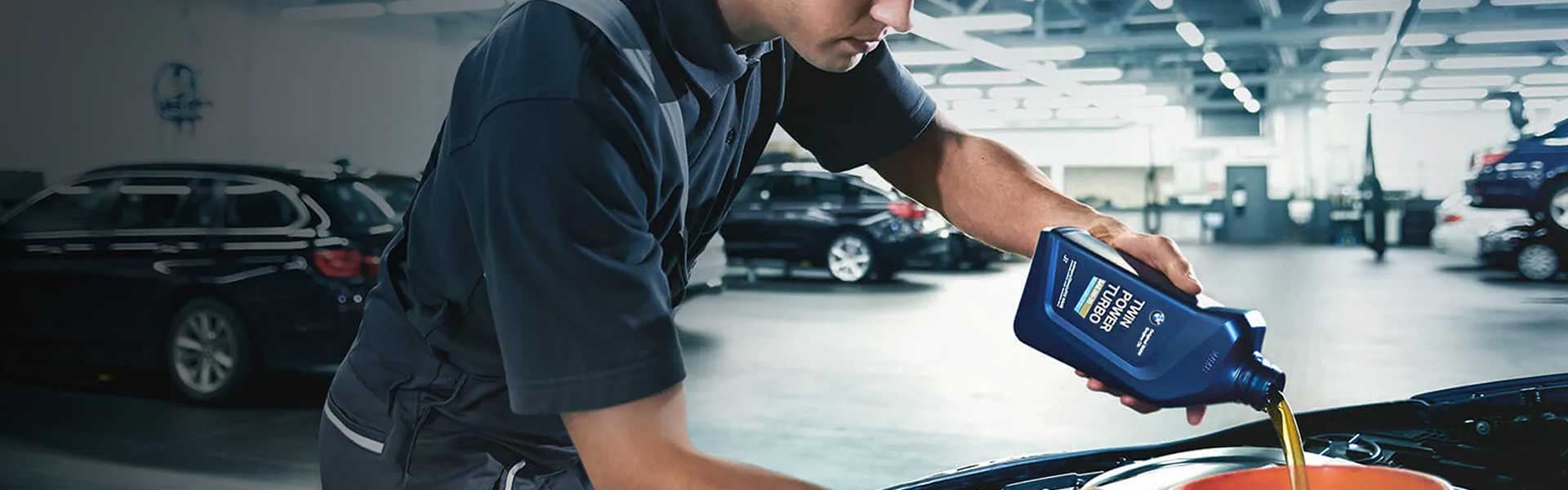
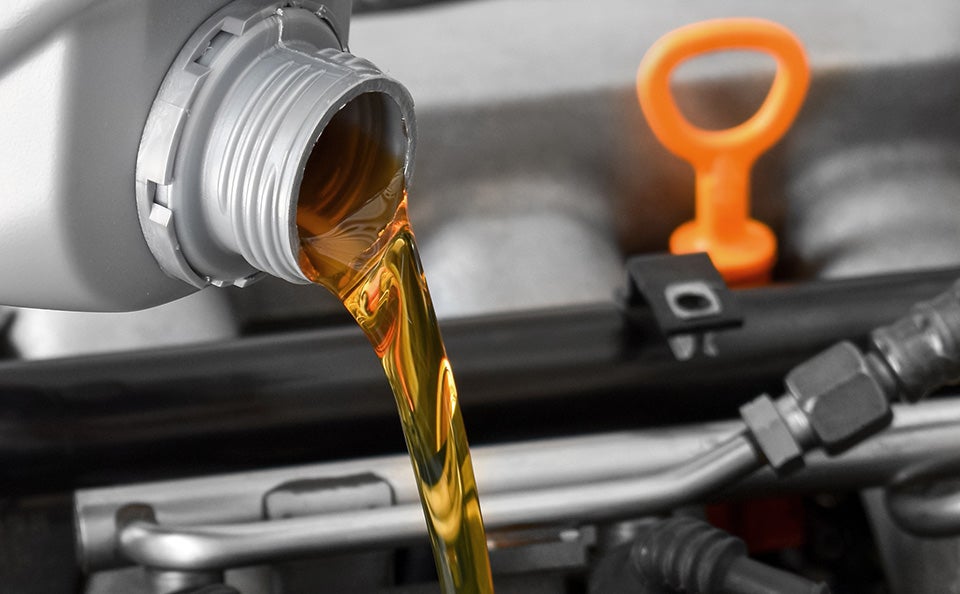
The motor oil in your engine plays a crucial role in the world-class performance of your BMW vehicle. When it's time for an oil change in Orange Park, the best place to go for trusted service and high-quality motor oil is Tom Bush Orange Park in Jacksonville. Learn the ins and outs of oil service before you drop by. It's a good idea to schedule an oil service every 7,500 for new BMW vehicles. The motor oil used in new cars tends to last longer than the oil used on older engines, which is why the age-old recommendation to schedule oil service every 3,000 miles isn't common anymore. For most drivers, an oil service every 7,500 or so miles means scheduling service twice a year, or once every six months. Even if you don't drive your BMW every day, a six-month oil service is a good idea. This is because the motor oil in your engine will naturally degrade over time, regardless of how often you drive your vehicle. By the same token, if you drive your car long distances every day and rack up a lot of miles on your car, you may want to schedule oil service more frequently. Are There Best Times to Schedule Oil Service? Aside from keeping an eye on your odometer, there are two other times when it's a good idea to schedule an oil service. First, if you plan to take your car on a long road trip, you should schedule service before your trip to ensure your car is in good condition. It's also a good idea to schedule oil service after extreme heat to make sure your oil levels are good. more What Type of Oil Is Best? In general, newer vehicle models tend to run on synthetic or semi-synthetic motor oil rather than conventional oil. While conventional oil can get the job done to lubricate the internal parts of your engine, synthetic oil is specially developed to pull heat from the engine, protect it from friction, and enhance motor performance. Our Service Techs will consult BMW's recommendations for your precise make and model to service your vehicle so your engine gets the best care. Genuine motor oil from BMW, along with genuine oil and air filters, will promote excellent vehicle performance in the long run. Most drivers should schedule oil service with genuine BMW motor oil at least twice a year, even if the BMW vehicle isn't driven every day. When you notice performance issues, like less fuel economy, you should schedule service right away. Book your oil service appointment at Tom Bush BMW Orange Park in Jacksonville, FL.

BMW Roadside Assistance

BMW Roadside Assistance

More Than a Safety Net—It’s a Driving Companion At Tom Bush BMW Orange Park, we know that driving a BMW is about more than performance and luxury—it’s about confidence. That’s why every new and Certified Pre-Owned BMW comes with a powerful promise: BMW Roadside Assistance, a 24/7 lifeline that travels with you across all 50 states, Canada, and Puerto Rico. What Does BMW Roadside Assistance Cover? Towing Service: If your BMW becomes disabled due to mechanical failure, accident, or hazard damage, it will be towed to the nearest authorized BMW Center. Battery Jump-Start: Quick on-site assistance to restart your vehicle if the battery dies. Flat Tire Assistance: Help with replacing a flat tire using your spare or repairing minor punctures. Emergency Fuel Delivery: If you run out of fuel, BMW Roadside Assistance will deliver enough to get you to the nearest station. Lockout Support: If you accidentally lock your keys inside your BMW, assistance is provided to regain access. Trip Interruption Benefits: Reimbursement of up to $1,000 for lodging, meals, and transportation if your breakdown occurs more than 100 miles from home. Master Technician Team (MTT): Remote diagnostics via BMW’s telematics system, offering expert guidance during emergencies. Unique to BMW: Telematics + Human Expertise more BMW Roadside Assistance isn’t just reactive—it’s predictive. Thanks to BMW’s advanced telematics system, your vehicle can transmit diagnostic data directly to the Master Technician Team, who can offer real-time advice or recommend service before a problem escalates. This fusion of technology and human expertise is what sets BMW apart. Why Tom Bush BMW Orange Park Is Your Roadside Ally 1. Local Knowledge, Global Support Our team at Tom Bush BMW Orange Park knows Jacksonville’s roads, traffic patterns, and weather conditions. That means we can guide you through roadside events with precision and empathy. 2. Seamless Activation Need help? Just press the BMW Assist eCall (SOS) button, use the BMW Connected App, or call 1-800-332-4269. We’ll take it from there. 3. No Mileage Limits, No Extra Costs BMW Roadside Assistance is included for 4 years/unlimited miles on new BMWs and up to 6 years/unlimited miles on Certified Pre-Owned vehicles. No hidden fees, no fine print. Visit Us to Learn More Whether you're buying your first BMW or upgrading to a new model, Tom Bush BMW Orange Park ensures you're covered—on the road and off. Stop by to explore our inventory and learn how BMW Roadside Assistance can be your silent co-pilot.

Brakes

How Often Should You Get New Brake Pads for Your BMW?

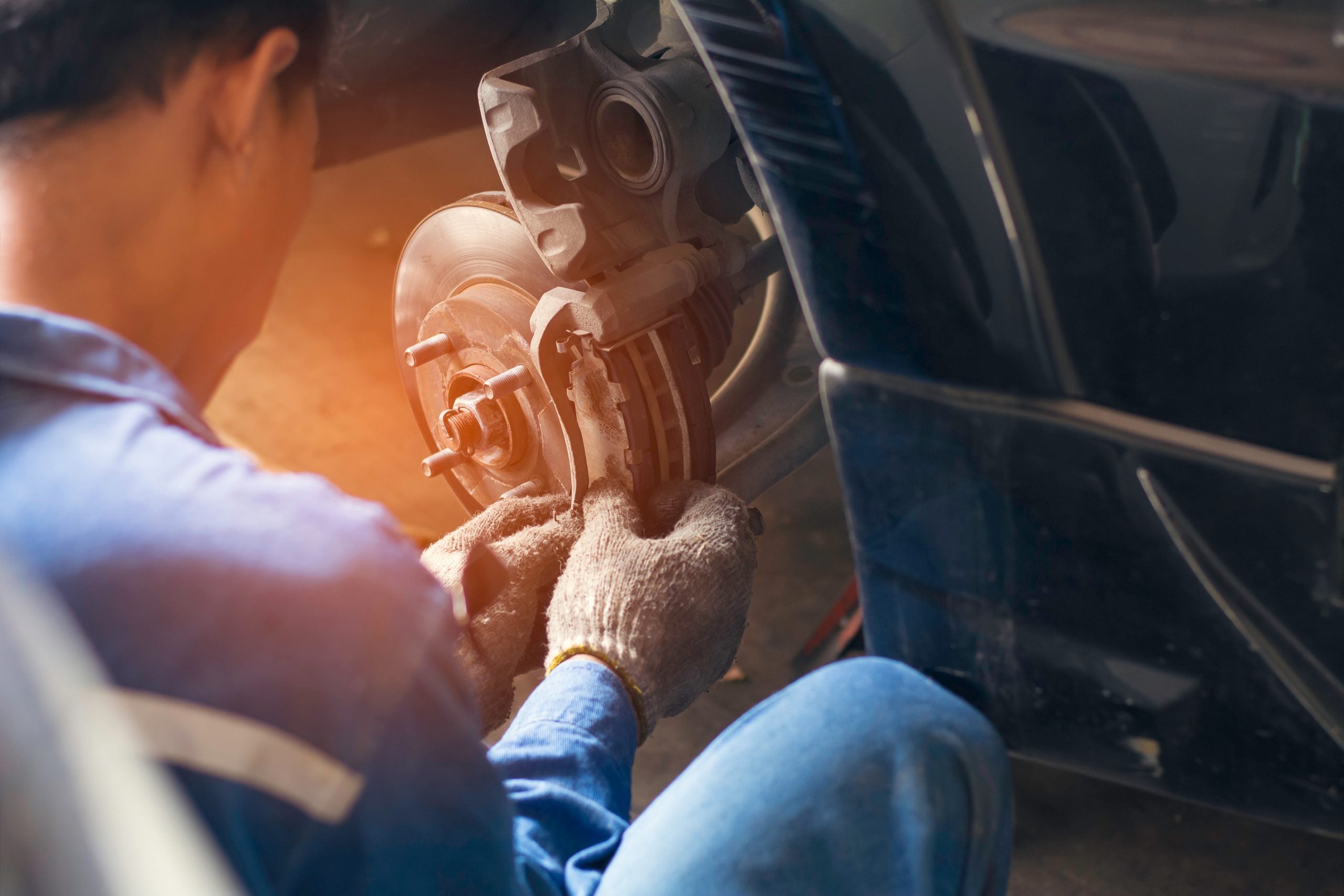
As a BMW owner, you should expect a consistently precise and responsive performance from the brakes each time you press the pedal. The brake pads generate the friction required to stop your car and are key to firm brake force. It's important to routinely replace worn-out pads with new brake pads at your local BMW dealership. Let's look at how frequently you'll need to do so. How Often Should You Get New Brake Pads for Your BMW? Brake Pads Last From 25,000 to 65,000 Miles With some vehicle services, it's easy to set up a strict schedule for replacements; motor oil should be changed twice a year, for example. However, with brake pads, there's no one-size-fits-all answer to the question of replacement intervals. Brake pads can last anywhere from 25,000 to 65,000 miles, depending on various factors. more What Type of Brake Pads Are You Using? The first step is to find out which material your pads are made from. In diminishing order of toughness, BMW pads can be ceramic, fully metallic, semi-metallic, or constructed from an organic compound. If you're unsure which type of pad you're currently using, ask a trusted technician to figure it out and calculate how the material might influence each pad's lifespan. How Much Strain Do You Put on Your Brakes? A more significant factor is how much you use your brakes. Drivers who primarily drive along open highways, avoiding heavy traffic, will generally have longer-lasting brake pads. Conversely, if you spend several hours each week navigating stop-and-go traffic, your brake pads are undergoing far more wear and tear. Likewise, steep mountainous roads, carrying heavy loads, or towing trailers can also put excessive strain on the brakes and shorten brake pad longevity. Key Warning Signs of Worn-Out Brake Pads When it comes to brake pad lifespan, the key is to keep an eye on them and understand the signs of a worn-out pad. You can visually check your pads by looking between the wheel spokes; pay attention to how thick the pad's upper friction layer is. If you ever hear squealing while braking, one of your pads might be trying to tell you it's time for a replacement. Grinding sounds or extended stopping distances are more urgent indicators that a pad needs to go. Your BMW Dealership Can Inspect or Change Your Pads All safety-conscious drivers should have their brakes inspected at least twice a year. During their inspections, our technicians will check the brake fluid and brake lines and also remove the calipers, rotors, and brake pads. They can then closely examine each pad and let you know how much longer it's likely to last. Visit Tom Bush BMW Orange Park in Jacksonville, FL, today to have your brake pads examined by experienced professionals. We're a local award-winning dealership dedicated to providing high-end customer care that's worthy of the prestigious BMW brand.

BMW Servicing

4 Reasons to Get Differential Service at Your Dealership

You know you need regular oil changes and tire rotations but you may not realize the benefits of a differential service from your BMW dealership. 4 Reasons to Get Differential Service at Your BMW Dealership Keep Your BMW on the Road The location and number of your BMW's differential depends on whether you drive a front-wheel drive, rear-wheel drive, or all-wheel drive. With both front and rear-wheel drives, your vehicle has a single differential that must be maintained. With all-wheel drive, there are two differentials. The differential evenly distributes power to your wheels and maintains wheel speed when you turn right or left. The differential fluid, sometimes known as gear oil, lubricates the different parts of your differential. This fluid is flushed out and replaced during service. When the fluid runs low, this can lead to a grinding noise. Routine service on the differential should be completed around 60,000 to 90,000 miles. This helps your BMW turn properly and prevents damage to the seals, gaskets, or plugs. more Save on Future Repairs and Inconvenience It's less expensive to maintain your vehicle than it is to replace broken parts including your differential. Skipping this much-needed service or ignoring strange noises while driving can lead to costly repairs. A full differential replacement can cost around a few thousand dollars, depending on your specific make and model. You won't be able to drive your vehicle while it's being repaired which can be inconvenient when you have a busy schedule. Service You Can Trust Beyond mechanical reasons, there is another good reason to schedule service with us. Our technicians are BMW-trained and certified to work on all BMWs. We will inspect the differential, flush out the old fluid, and replace it with new fluid. If we find any problems with the differential, we'll let you know as soon as possible, and explain what repairs need to be done and why. If gaskets or seals need to be replaced or your BMW needs a new differential, we only use original BMW parts that have a two-year warranty. You can rest easy knowing we will take care of your BMW and that we stand by the parts we use. Maintain Your BMW's Value Whether you intend to pass down your BMW to a young driver in your family or you'll trade it in when at some point in the future, the best way to maintain a vehicle's value for the future is through routine maintenance, including service on your differential. Our service technicians understand the importance of a vehicle's value and can help keep it running well for as long as you drive it. Does your BMW have over 60,000 miles on it? Contact Tom Bush BMW Orange Park in Jacksonville, FL to schedule service today.

Tire Maintenance

Tire Maintenance: 3 Tips for Taking Care of Your Tires

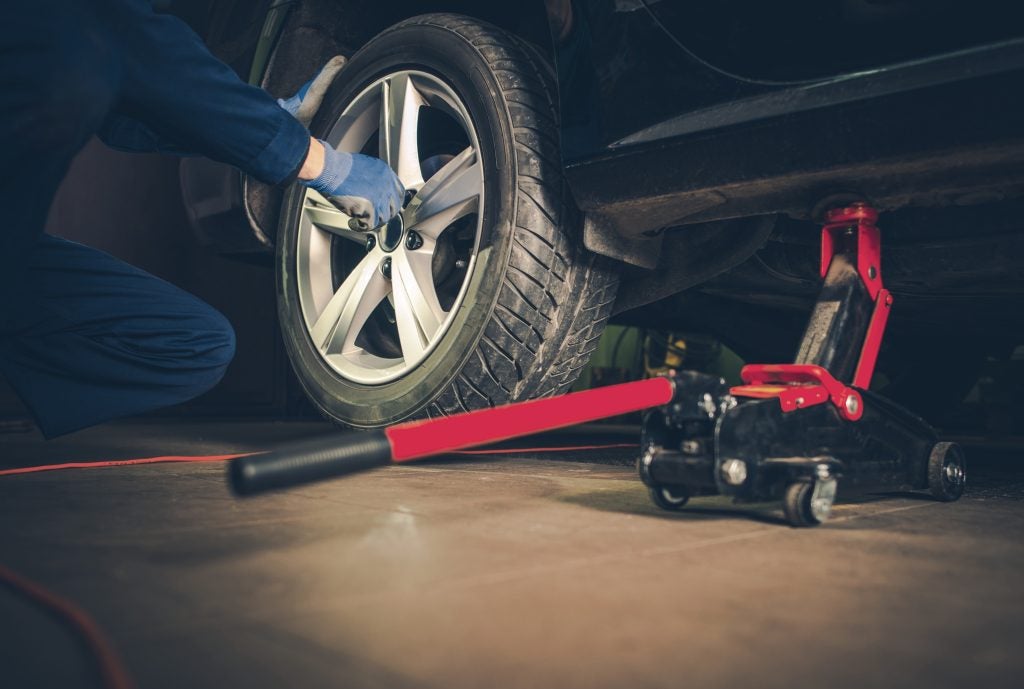
Proper tire maintenance is crucial for keeping your vehicle in great shape. Tires are the only point of contact between you and the road, and they need to be regularly monitored and maintained. Here are some useful tips to help you extend the lifespan of your tires. Don't forget that your BMW dealership is the best place to go for all of your tire-related needs. Tire Maintenance: 3 Tips for Taking Care of Your Tires 1. Monitor Tire Pressure Incorrect tire pressure can adversely affect your vehicle's handling and braking capabilities and may lead to catastrophic failure. Over-inflating and under-inflating your tires will result in uneven tread wear, compromising the ability of your tires to maintain their grip on the road, which can be dangerous in wetter conditions. Maintaining optimal pressure will prolong the life of your tires. Newer vehicles come with in-built tire pressure monitoring systems, making it easier to check that you have the right amount of pressure. If you're using older tires, make sure you're manually checking tire pressure every month and before you do any long road trips. A portable tire pressure gauge is a handy tool to have with you in your glove box. more 2. Rotate Your Tires Your tires will eventually wear down, but did you know that regularly rotating your tires will help to slow this process down? Each wheel position on your vehicle will result in different tread wear patterns on your tires. If you don't rotate your tires, you'll have excessive wear on certain parts of your tires, which can affect vehicle performance. Vehicle and tire manufacturers provide a recommended tire rotation schedule for your vehicle. It's important to know your vehicle's body layout, such as front-wheel (FWD) or rear-wheel drive (RWD), as these have different rotation requirements. Following the recommended rotation pattern and schedule will help you prolong the life of your tires. 3. Don't Exceed the Load Capacity The load amount of your vehicle can affect the life of your tires. Different vehicle types will have different load amounts, and your tires must be able to move this load effectively and safely. If you're regularly loading your vehicle with heavy items, you may be putting undue pressure on your tires that can lead to early wear and tear, or even failure. Each tire comes with a tire load index printed on the sidewall. This number identifies the maximum weight that it can support when properly inflated. Schedule Maintenance Through Your BMW Dealership Regular vehicle inspections will help you identify any maintenance issues as they arise, from inflation issues to uneven tread wear from rotation. Your local dealer is the best place to ask all your tire-related questions and book the services you need to keep your vehicle running smoothly. Contact us at Tom Bush BMW Orange Park in Jacksonville, FL to book your maintenance service today.

TOMBUSHBMW

4 Services Offered by Your BMW Dealership

As a BMW owner, you know your vehicle is the premium machine on today's roads. You also know that your premium machine needs the highest quality parts and services for safe, efficient, powerful driving. At the Tom Bush BMW dealership of Orange Park, our certified BMW service experts in vehicle maintenance, financial planning, and collision repair are ready and waiting to meet your needs and exceed your expectations. 4 Services Offered by Your BMW Dealership Premium Parts and Maintenance Our technicians provide the highest-quality service and premium parts that your BMW deserves. There's no aspect of your vehicle's health that we aren't equipped to help you with. Specialized diagnostic testing and treatment, replacing damaged or worn parts of any kind, routine maintenance, and so much more are provided by our service experts on site. Scheduling a check-up for your BMW can easily be done over the phone or via our website. more Tailored Financial Guidance Even if you don't know where your credit stands, our financial services team is more than happy to help you create a unique payment plan for the vehicle of your dreams. After filling out our free credit application, you'll know which of our three credit tiers you qualify for ('best,' 'ok,' or 'not so good'). From there, we'll find you the perfect rate, the perfect plan, and the perfect car to take home under the ideal warranty. Collision Center Surviving a collision is stressful enough. We want to make sure your recovery process is stress-free. Visit our Collision Center on Regency Square Blvd for all the repairs and assistance that you and your BMW need to be back on the road, cool and confident. Whether you need a free estimate, help filing your insurance paperwork, or a rental car to get home safely, our promise is to go above and beyond in your hour of need. What Makes Our BMW Services Unique Our dealership is BMW M certified so that we can provide everything you need with quality and expertise you can't find anywhere else. Our electric and hybrid vehicles come with charging accessories, such as cables and wallboxes, that ensure your ride is ready to roll first thing in the morning. Depending on your vehicle, you may qualify for one of our complimentary charging plans provided by Electrify America. We at Tom Bush BMW believe that premium service shouldn't come at the cost of a warm welcome. Our company culture is centered on providing the premium quality, helpful expertise, and personable encounters. Visit us at Tom Bush BMW Orange Park in Jacksonville, FL today for the support that you and your vehicle deserve!

BMW headlights

Does Your BMW Need New Headlights?

The lifespan of car headlights largely depends on whether you're using halogen bulbs, high-intensity discharge (HID) bulbs, or light-emitting diode (LED) bulbs. Whichever type of headlights your car uses, they'll eventually need replacing. Here are a few common warning signs that headlights are on their last legs. Head down to your nearest BMW dealership for new headlights as soon as you need them. Does Your BMW Need New Headlights? Hazy Headlights Sometimes headlights appear to be failing, but it's actually the lenses that need to be cleaned or replaced. Headlight lenses can become dirtied by dust, mud, salt, and snow from the road, which gradually makes the light hazier. This can usually be remedied by cleaning the lenses. Headlight lenses can also become hazy if the acrylic of the lenses becomes too scratched by myriad little stones flicked up by the tires of other cars. As lenses grow old, UV rays in sunlight can also damage the acrylic through a process of oxidization. In these cases, you may need to install new lenses. more Dimming Bulbs When headlight bulbs begin to fail, they usually dim to some degree. It might not be immediately noticeable if the dimming is very gradual. Nevertheless, you should have your headlight bulbs replaced as soon as you notice they're shining less brightly. After dark, any reduction in brightness reduces your visibility, which can become dangerous. Flickering Light Some headlight bulbs might start to flicker when they grow old or become damaged. Flickering light may indicate a broken or burned-out filament in halogen bulbs. Flickering may also result from a problem with the underlying supply of electrical power, or even damaged wiring. You'll probably need a technician to diagnose and repair the fault. One Bulb Blows When just one headlight bulb blows, you usually need to replace both in the pair. This is to ensure maximum brightness. Once one bulb dies, the other in the pair is rarely far behind and may already have started to dim dramatically. Ask Your BMW Dealer To Upgrade Your Bulbs One way to increase the longevity of your headlights is to have them upgraded. Halogen bulbs only tend to last for 500 to 1,000 miles of usage. Not only are HID bulbs brighter, but they also last for about 5,000 miles on average. The longest-lasting bulbs of all are LED bulbs, which might last as long as 50,000 miles. It's not always possible to upgrade a vehicle's headlights, so you'll need to ask about your options at your local dealership. Have your failing headlights checked and repaired today at Tom Bush BMW Orange Park. We're an award-winning local dealership that's been providing our customers with exceptional new and pre-owned BMW vehicles and high-quality customer service since 2006.

bmw-service

8 Electrical Problems You Should Always Fix at Your BMW Dealer

With over 1,000 semiconductor chips and myriad electrical components and accessories, your BMW may occasionally run into electrical problems. Let's take a look at some of the more common electrical issues that will ordinarily require a trip to the nearest BMW dealership to have them repaired. 8 Electrical Problems You Should Always Fix at Your BMW Dealer Malfunctioning Alternator The alternator converts mechanical engine power into electrical power to supply all the vehicle's electrical components with voltage, including the battery. When an alternator develops a problem, you're likely to notice issues in a few different electrical parts at once, such as your heating system, air con, power windows, stereo, headlights, and more. more Faulty Ignition System Your car needs a strong supply of electricity and a fully functioning ignition system to start up in the morning. If there's an issue with your ignition system, you may find that you can't turn the key in the ignition and the steering wheel may also be locked in place. Frayed or Loose Wiring An intricate network of wiring is spread throughout your car. If any of the wires or connectors become loosened, frayed, or corroded, the electrical current will stop flowing properly and one or more of the car's electrical components are likely to stop working. Malfunctioning Spark Plugs Spark plugs are vital electrical components in your engine, generating the sparks that ignite the fuel inside each combustion chamber. If a spark plug begins to fail, your engine will cough, sputter, and lose power as it begins to misfire. Failing Ignition Coil Each spark plug gets electrical power from an ignition coil, which converts the relatively low voltage of the alternator or battery into a far more powerful voltage for the spark plug. When an ignition coil breaks or fouls, your engine will also start misfiring. Faulty Engine Control Module Modern BMWs have a computer inside that controls the engine. This computer, which is called the engine control module, is necessary for the vehicle to run. If the engine control module ever breaks down, the engine won't start, and you'll need an experienced technician to repair or replace it. Bad Fuse Box When an individual fuse in your car's fuse box blows, it's usually easy enough to replace. But if an entire fuse box ever fails, you have a more complex repair job on your hands that's best handled by a skillful technician. Dead Car Battery Working in tandem with the alternator, your car battery keeps the entire vehicle supplied with electrical power, especially when the engine is off. When a battery dies and refuses to recharge, it's probably time for a new one. If you've never changed a car battery before, it's best to ask a trusted technician to show you how. Visit Tom Bush BMW Orange Park today to have highly qualified technicians diagnose and repair your car's electrical issues. We devote ourselves to serving our customers to the best of our abilities with the highest quality vehicles and customer service.

bmw-service-hero

3 Engine Problems You Should Always Fix at Your BMW Dealer

Your BMW has a superbly tuned, high-performance engine. Keeping your engine in perfect condition requires regular maintenance. Service and maintenance ensure that your engine will always perform at its best. A lack of routine maintenance can lead to engine problems. As your BMW dealer, we have the specialized knowledge to perform any repairs you may need. 3 Engine Problems You Should Always Fix at Your BMW Dealer Cracked Radiator The radiator is the beating heart of your engine's cooling system. It takes in heat generated by the engine and removes it to protect your engine against overheating. A radiator operates under constant pressure and withstands high temperatures, but these circumstances can eventually take their toll. In time, the heat and pressure can cause minute cracks to appear. The cooling system depends on a closed loop, as this allows the system to work at high speed. It also depends on coolant to absorb engine heat and transport it to the radiator for removal. Damage to the radiator will cause the coolant to leak out and the system pressure to drop. These two events will cause your engine temperature to spike. We can replace the cracked radiator, and your engine temperature will drop. more Damaged Oil Pump Oil lubricates all the moving parts of your engine. This lubrication protects the moving parts against friction damage and cools them to control the engine temperature. Modern car oils contain various additives that prevent blockages in the system, reduce rust, and increase the longevity of your engine. The oil is continually circulated through your engine while it's running. The oil pump is responsible for pumping oil through your engine at high speed. We check the health of the oil pump as part of your regular services. An oil pump can fail due to age or an electrical fault that shuts down the pump. If the pump isn't working, oil won't circulate, and your engine will suffer damage. We'll inspect the pump and repair or replace it depending on the situation. Worn or Damaged Gaskets Your engine has four types of gaskets: the cylinder head gasket, pump gaskets, the manifold gasket, and the oil pan gasket. Each of these provides a seal between different parts of your engine. The cylinder head gasket, for example, provides an air-tight seal between the top and bottom sections of your engine. It's responsible for preventing oil, coolant, and compression from ever mixing. Gaskets are subject to heat and pressure, and this can damage them. A damaged gasket can result in engine damage. We'll examine the gaskets and replace any damaged ones to protect your engine. If you experience any problems with your engine, call us ASAP at Tom Bush BMW Orange Park.

Under Construction Poster

Reinventing the Car-Buying Experience: A Look at Our Upcoming Renovation

We know renovations at a dealership can be an exciting and challenging experience for both the dealership and its customers. From the moment construction begins, customers can expect a variety of changes to our atmosphere, services, and overall appearance. You may see an assortment of construction crews and materials around the dealership while the renovations are taking place. The process can be stressful for customers and staff alike, but here at Tom Bush BMW Orange Park, we believe it is an important part of keeping our dealership up to date and running smoothly. As the renovations progress, customers can expect an improved customer experience, better products, and a more modern atmosphere. Ultimately, these renovations will help the dealership become more successful and provide a better experience for everyone. We expect the project to be completed Spring of 2023. Click here to learn more about our current renovations!

3 Signs Your BMW Needs New Tires

3 Signs Your BMW Needs New Tires

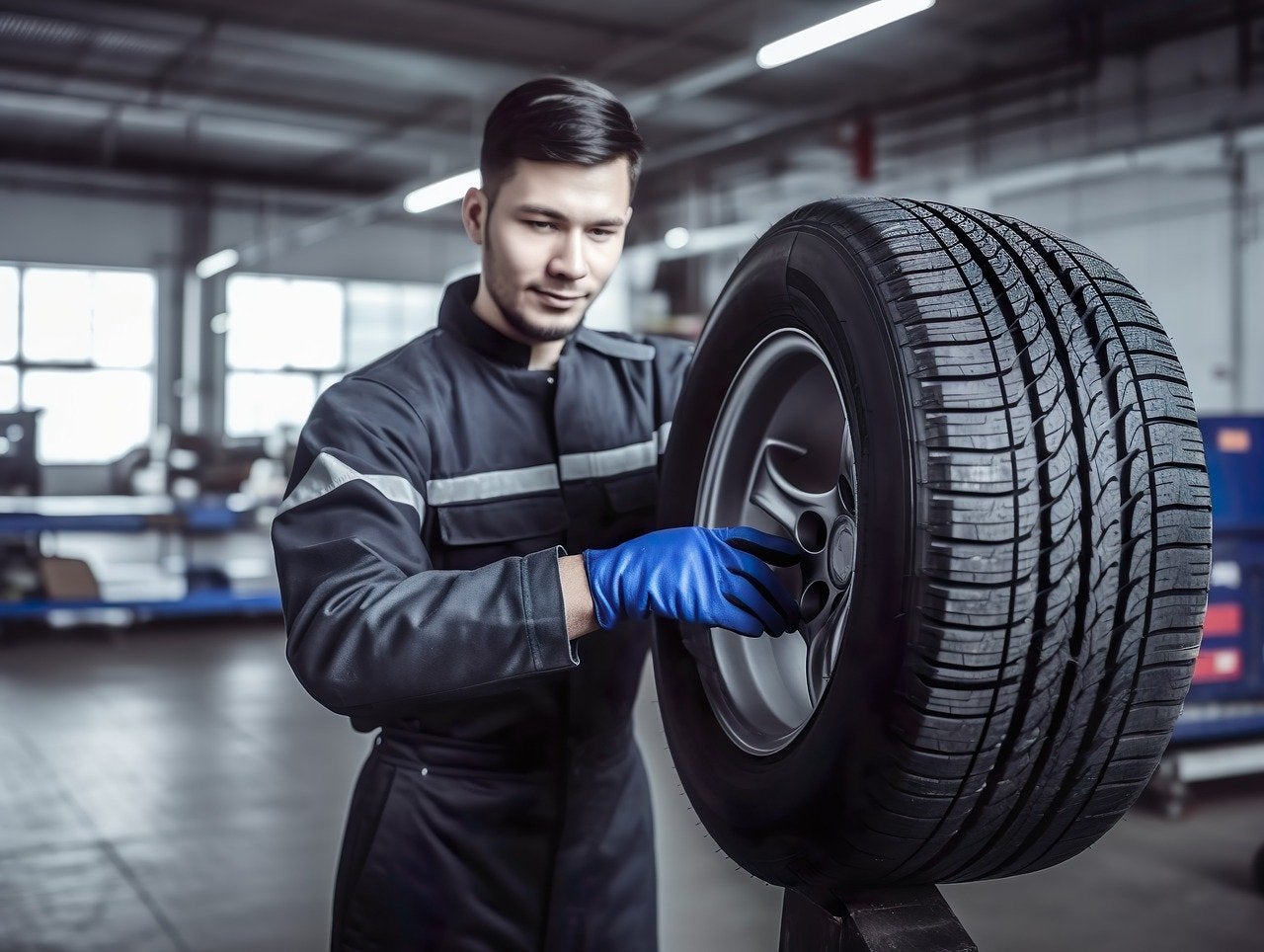
Car tires aren't something that most drivers think about. These four pieces of rubber are essential for your car, as they allow your BMW to move. Tires will suffer damage over time due to abrasion with the surface, weather, and other issues. To keep you safe on the road, your BMW dealer would like you to know some of the signs that you need to see us for new tires. 3 Signs You Need New Tires From Your BMW Dealer Cracks in the Tires Your tires are made from strong vulcanized rubber, but they will eventually show signs of wear. Over time, the rubber will start to become less flexible. This isn't usually noticeable when you're driving, but it will affect the tire's health. Water, mud, and even sunlight will take the toll, and the less flexible rubber will start to develop hairline cracks. The heat generated by the tires on the road surface will gradually cause these cracks to expand, both into and across the tire surface. Eventually, a crack will become deep enough to cause a leak. The cracks are also points of weakness in a tire and could lead to a blowout. Our technicians will examine your tires, and we can quickly fit new ones if they're damaged. more Bald Tires The tread is the complex raised pattern on the part of your tires in contact with the surface. This tread helps to keep you stable when you move by tightly gripping the road surface. Tread also helps to push water, mud, and slush out of the way. The network of grooves between the tread funnels the liquid back and away from the tires. A bald tire is a tire that's tread has completely worn off. Its smooth surface provides no grip on the surface, and this makes bald tires dangerous to drive on. This danger is increased if you drive on wet or muddy surfaces, as your wheels could start to spin. If you have a bald tire, call us right away so we can replace it. Bubble in the Tire A tire bubble is a raised section on the tire that bulges out. This bubble is formed when a section of the tire is pinched against a solid object. A bubble could form if part of your tire is accidentally caught against the curb when you park. It's a pocket of air, and it can make driving dangerous. The air in your tires heats up as you drive, and this increases the tire pressure. A bubble can easily cause a blowout. We can't repair a bubble, but we can replace your tire. If your tires show signs of wear, come in and see us at Tom Bush BMW Orange Park.

Contact Us

Fill out this form below and we'll contact you shortly
*Required Fields