

Blog

All Jacksonville BMW Dealer Tom Bush BMW Orange Park Things To Do In Jacksonville Jacksonville BMW Service Jacksonville Amenities Jacksonville Luxury Cars Tom Bush BMW Orange Park Service Jacksonville Entertainment Jacksonville Used Cars Tom Bush Family of Dealerships Jacksonville Restaurants Jacksonville Eateries Jacksonville Parks Family Fun in Jacksonville Jacksonville Landmarks Orange Park Florida BMW Dealer Day Trips Jacksonville Art Jacksonville Foodies Jacksonville Road Trips Tourists Fun
First time BMW
in Orange Park Florida BMW Dealer

First Time BMW Guide for Choosing Your First Model

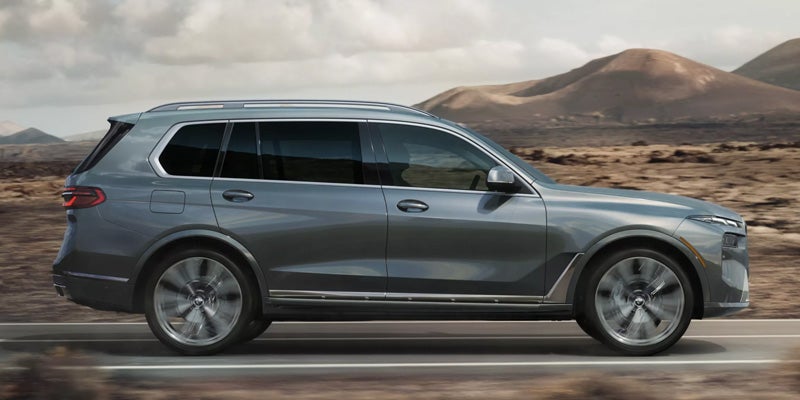
First time BMW research gets easier when you sort body style, drivetrain, energy source, and purchase path in that order. However, BMW names can look dense when several letters and numbers appear together. Therefore, a clear sequence keeps the lineup easier to read. First, start with the vehicle shape that fits your passengers and cargo. Then look at drivetrain and fuel type. In addition, compare new, Certified, and standard used choices after that. Finally, review lease, finance, warranty, and service details before a test drive. Reading BMW Model Names What do BMW letters and numbers tell you? They give clues about model family, body type, drivetrain, and electrification. Therefore, numbered Series identify core car families such as the 3 Series and 5 Series. In addition, X models identify BMW SUVs and Coupe SUVs. M names point toward BMW M models, while an i prefix identifies a battery electric model. An e suffix can identify a plug in hybrid configuration. Therefore, a name such as X5 xDrive50e gives several clues before you open the specification page. X5 names the SUV family, xDrive identifies all wheel drive, and the e suffix points to plug in hybrid power. You do not need to memorize every badge. Instead, learn the pieces that narrow the lineup first. more Series and X names tell you which vehicle family you are viewing. xDrive identifies all wheel drive, while some sDrive models use rear wheel drive. An i prefix points to battery electric power, while an e suffix can mark a plug in hybrid. Beyond that, trim details can wait until the body style and drivetrain fit your plans. This keeps early research focused on the choices that change the vehicle most. Choose the Body Style Before the Trim Which BMW shape fits your passenger and cargo needs? The answer starts with how you expect to carry people and gear. Sedans such as the 3 Series and 5 Series use a separate trunk and four door cabin. Coupes place more emphasis on a lower roofline and two door form. Gran Coupe models keep coupe inspired lines while adding four doors and a rear hatch on certain models. In addition, BMW X models add taller seating and easier cargo access through a rear liftgate. Larger X models also offer more cabin room than smaller entries in the same family. Touring models use a wagon shape with a longer roof and rear cargo opening. Body Style Comparison BMW Body Style Passenger Access Cargo Layout Good Fit When Sedan Four doors Separate trunk You want a lower car with simple rear access Coupe Two doors Separate trunk You prioritize two door styling and front seat access Gran Coupe Four doors Varies by model You want coupe inspired lines with easier rear entry X model Four doors Rear liftgate You carry taller cargo or want a higher seating position Touring Four doors Long roof cargo area You want car height with more rear cargo room For this reason, body style can remove several models from your list quickly. A family carrying strollers may start with an X model or Touring model. A commuter who values a smaller footprint may begin with a sedan. Rear Wheel Drive and xDrive Change the Drivetrain Choice What does xDrive change? xDrive sends power through an all wheel drive layout instead of sending power only to the rear wheels. BMW uses xDrive across cars and X models. Therefore, the name tells you something mechanical, not simply an equipment package. The drivetrain can send power to more than one axle as traction needs change. By contrast, rear wheel drive sends propulsion through the rear axle. In addition, this layout remains available on selected BMW models and can reduce drivetrain weight. It also gives the front wheels fewer propulsion duties. For Orange Park and Jacksonville driving, road surface and personal preference should guide the comparison. Heavy rain may make all wheel drive attractive to some shoppers. Still, tires remain central to grip on wet pavement. During a test drive, compare steering response, acceleration from a stop, and low speed maneuvering. Those details show how each drivetrain feels on the routes you travel most. Gasoline Plug In Hybrid and Electric BMW Models Which energy source fits your commute? BMW currently offers gasoline, plug in hybrid, and battery electric choices. Therefore, gasoline models rely on an internal combustion engine and fuel tank. Refueling follows the familiar gas station routine. Plug in hybrid models add a high voltage battery and electric motor while keeping a gasoline engine. That plug in hybrid setup can cover shorter trips with electric power when the battery has charge. However, the gasoline engine remains available for longer travel. Home charging becomes part of the routine if you want to use more electric miles. Battery electric BMW models remove the gasoline engine. Instead, the high voltage battery powers one or more electric motors. Charging access at home, work, or public stations becomes a larger part of trip planning. Before choosing among these paths, compare your normal mileage and parking setup. In addition, think about how frequently you take longer trips beyond your local route. A shopper with reliable home charging may view an electric model differently from someone without dedicated parking. New BMW Certified and Used Paths What changes between new, BMW Certified, and standard used inventory? Each path carries a different mix of age, mileage, inspection, warranty timing, and price. A new BMW begins with the current model equipment and a new vehicle warranty. BMW states that its New Vehicle Limited Warranty runs four years or 50,000 miles. Therefore, the warranty clock starts with the original in service date. BMW Certified inventory follows a separate qualification process. Current BMW rules limit qualifying vehicles to five years old or newer with fewer than 60,000 miles. In addition, the vehicle must pass history review, inspection, diagnostic checks, and road testing. By contrast, standard used inventory can include a wider range of ages and mileage. Therefore, service records, condition, prior repairs, and an inspection deserve close review. Inventory Path Comparison Path Main Starting Point Warranty Review What to Check Closely New BMW Current model and zero prior owner miles New vehicle coverage Equipment, payment path, service plan BMW Certified BMW qualification and inspection Remaining new coverage plus CPO term when eligible In service date, mileage, history Standard used BMW Broader age and mileage range Varies by vehicle Records, condition, prior repairs, inspection For this reason, BMW Certified should not be treated as another label for used inventory. The certification process adds BMW rules before the vehicle enters that category. Lease Finance Warranty and Service Basics What should you review before committing to your first BMW? Review payment structure, warranty dates, maintenance coverage, insurance, and service access. A lease sets a term, mileage allowance, and end of term choices. Therefore, expected annual mileage deserves attention before signing. Financing uses a loan structure and can lead to full ownership after the balance is paid. BMW warranty coverage should be reviewed separately from the payment choice. Current new BMW models also include factory scheduled maintenance through BMW Ultimate Care. Review the stated time and mileage window. In addition, service planning deserves a place in the first purchase conversation. Tom Bush BMW Orange Park provides BMW service, parts, and scheduling resources after delivery. For this reason, review service location and scheduling options before you need them. Before the test drive ends, compare these final items in person: Adjust the driver seat, rear seat, mirrors, and cargo area to match the way you travel. Review the exact drivetrain and energy source on the model you are driving. Ask for the warranty start date, maintenance terms, and payment details tied to that specific vehicle. Your first BMW choice should get narrower as each decision falls into place. Start with body style, then drivetrain, energy source, and inventory path. After that, compare payment and service details on the exact vehicle you plan to drive.

Read More
BMW ignition coil diagnosis and repair

BMW Ignition Coil Diagnosis and Repair Guide for Owners

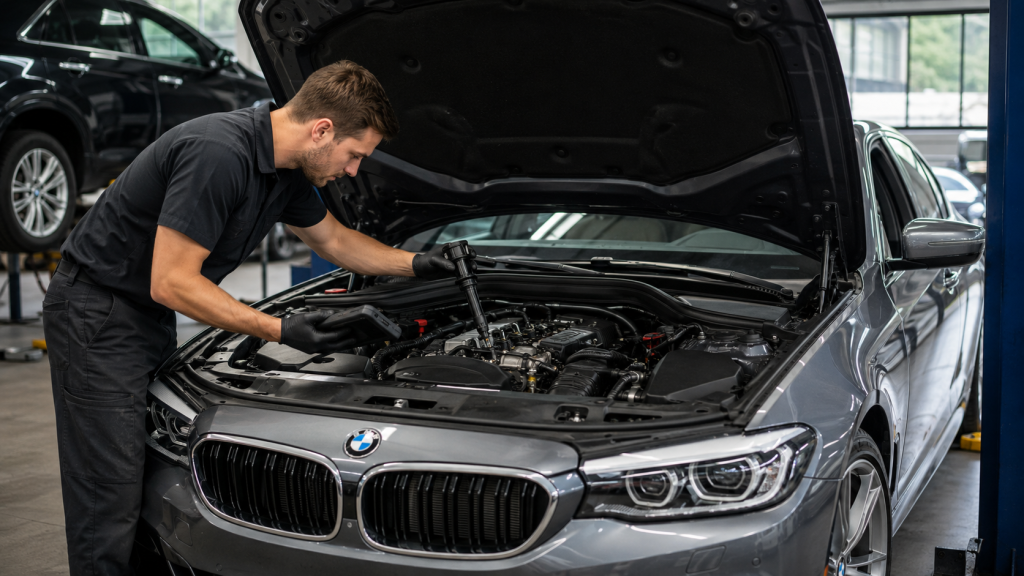
BMW ignition coil diagnosis and repair starts by confirming the faulty part before replacement begins. A rough idle or warning light may point toward a misfire. However, several parts can create the same cylinder fault. Therefore, testing matters before any coil gets replaced. A technician first reviews stored fault codes and engine data. Then the suspected cylinder receives targeted checks. In addition, the spark plug, wiring, and nearby components may need inspection. This process narrows the fault without relying on symptoms alone. BMW Ignition Coil Diagnosis Begins With Fault Codes What does a cylinder misfire code prove? It identifies where the misfire was detected, but it does not name the failed part. For this reason, a code such as P0301 points toward cylinder one. However, that cylinder can misfire for several reasons. In addition, the ignition coil may fail to create a strong spark. Likewise, a worn spark plug can also interrupt combustion. Fuel delivery or wiring concerns may create similar results. Therefore, code review works as the first diagnostic branch. The technician can compare stored faults with engine data and recent operating history. In addition, multiple cylinder codes may change the testing path. Before replacing parts, a technician may review several items: more The stored code shows which cylinder needs closer testing and whether more than one cylinder has a recorded misfire. Engine data can show whether the fault returns at idle, during acceleration, or after the engine reaches operating temperature. Other stored faults may point toward electrical, fuel, or mechanical concerns that need review before coil replacement. The code gives the technician a starting point. Therefore, the next step is proving whether the suspected coil caused the fault. Coil Testing Can Isolate the Fault How does moving a coil confirm the problem? A technician can move the suspected coil to another cylinder and watch the fault location. For this reason, suppose cylinder two has a misfire code. Then the technician can move that coil to a known good cylinder. Then the fault memory gets cleared before the engine runs again. If the misfire moves with the coil, the evidence points toward that coil. By contrast, a misfire that stays on cylinder two sends testing elsewhere. This method separates the component from the cylinder location. BMW diagnostic guidance has used this approach because some coil faults appear only while the engine runs. A coil may look normal during a visual check. However, heat and engine load can reveal an internal fault. Therefore, the swap test adds stronger evidence before replacement. It also reduces the chance of replacing a good coil while the original problem remains. Spark Plugs Need Inspection During Diagnosis Why inspect the spark plug when the coil is already suspected? The plug works with the coil to create the spark inside the cylinder. In addition, a worn electrode can require more voltage for a clean spark. Furthermore, fouling can interfere with ignition. In addition, oil inside the plug well can contaminate the coil boot and plug area. Therefore, the technician may remove the plug and inspect its condition. Deposits, wear, damage, or contamination can change the repair path. The plug service history also gives useful context. A coil replacement may not solve a misfire caused by a worn plug. Likewise, a damaged coil boot may point toward oil entering the plug well. That can require another repair beyond the ignition part itself. For this reason, coil and plug inspection work together. Each part sits in the same ignition path, so both deserve attention during diagnosis. A Misfire Can Lead to Other Diagnostic Checks What happens if the misfire stays on the same cylinder after a coil swap? The technician keeps testing other possible causes on that cylinder. Therefore, the spark plug is a common next check. However, the fuel injector, wiring, connector, or mechanical sealing may also need review. Each can interrupt combustion without moving with the coil. In addition, electrical testing can reveal connector or wiring concerns. Fuel testing may point toward an injector problem. Mechanical testing may follow when ignition and fuel checks do not explain the fault. This branch matters because a misfire code cannot separate every cause by itself. Therefore, professional diagnosis follows evidence from one test to the next. The owner should expect the technician to explain what was tested and what the results showed. That record creates a clearer reason for the repair that follows. Ignition Coil Repair Includes Verification After Replacement What happens after testing confirms a failed coil? The technician removes the faulty part, installs the correct replacement, and checks the engine again. However, access varies across BMW engines. Some coils sit beneath covers that must come off first. Electrical connectors also need careful handling before the coil can be lifted from the plug well. After installation, the technician reconnects the hardware and clears stored fault codes. Then the engine runs again so the repaired cylinder can be checked. Post repair verification may include another scan and a road test. The technician wants to confirm that the misfire does not return. In addition, engine operation should remain smooth across the tested range. Parts selection matters during this work. A replacement coil must match the BMW engine and ignition setup. Spark plug work may also be completed when inspection shows wear or related concerns. Replacement finishes the mechanical part of the job. Verification confirms whether the repair corrected the original fault. Repair Cost Changes With the Work Required Why can one BMW ignition coil repair cost more than another? The total reflects diagnosis, parts, access, and any related work found during testing. In some repairs, a single confirmed coil may require limited parts work. However, worn spark plugs or oil contamination can add more labor and parts. Engine layout can also change how much disassembly is needed. Several cost inputs deserve review before authorizing repair: Diagnostic labor covers code review, testing, and fault isolation before replacement starts. Parts cost changes with the exact BMW engine, coil type, spark plug needs, and any related components. Labor time can rise when access requires more disassembly or when another fault needs separate testing. A service estimate should reflect the specific BMW and the findings from diagnosis. Therefore, a fixed price before testing may leave out needed work or include work that is unnecessary. Tom Bush BMW Orange Park can inspect the fault and explain the recommended repair path. If a warning light is flashing or the engine runs very rough, driving may risk further damage. In that situation, contact the service team before continuing the trip.

BMW 3 Series vs 5 Series

BMW 3 Series vs 5 Series Guide for Jacksonville Drivers

BMW 3 Series vs 5 Series decisions involve cabin space, trunk room, technology, and road response. Both sedans share familiar BMW design cues and current digital tools. However, their size, weight, and cabin proportions create two distinct paths for Orange Park and Jacksonville travel. The 3 Series keeps a smaller footprint that suits tight parking and busy streets. The 5 Series adds length, wheelbase, rear room, and trunk volume. Therefore, the choice should start with how much space you need and where you drive most. BMW 3 Series and 5 Series Size Comparison How much larger is the 5 Series? The current 530i measures 199.2 inches long, while the 330i measures 185.9 inches. That 13.3 inch gap is easy to notice in a garage or parking space. In addition, the 5 Series wheelbase stretches 117.9 inches. The 3 Series wheelbase measures 112.2 inches. Furthermore, a longer wheelbase gives designers more room between the front and rear axles. Therefore, cabin packaging can devote more space to rear passengers. The shorter 3 Series takes up less pavement, which can simplify tight parking near Jacksonville shops or offices. more Comparison Chart 1 Measurement BMW 330i BMW 530i Length 185.9 inches 199.2 inches Width 71.9 inches 74.8 inches Wheelbase 112.2 inches 117.9 inches Curb weight 3,644 pounds 4,041 pounds Trunk volume 16.9 cubic feet 18.3 cubic feet Those numbers matter most when tied to your routine. If your garage is narrow, measure the space before choosing either sedan. If rear passengers ride with you frequently, the larger cabin deserves a closer look. Passenger Space Changes With Wheelbase Where does the extra wheelbase show inside the 5 Series? Much of it appears in the passenger compartment, particularly behind the front seats. Rear legroom measures about 35.2 inches in the 3 Series and 37 inches in the 5 Series. Therefore, adults riding in back may notice the extra room on longer trips. In addition, the difference can matter when front seats move rearward for taller occupants. The 3 Series still seats five and offers useful rear space for shorter trips. However, the 5 Series gives the second row more breathing room. That can matter for families, coworkers, or frequent airport runs. Seat comfort also comes from more than one measurement. Cushion shape, seatback angle, roof shape, and front seat position all change how the cabin feels. Therefore, sit in both rows during a test drive instead of relying only on specifications. Trunk Space for Commuting and Travel Which trunk gives you more room for travel? The 5 Series provides 18.3 cubic feet, while the 3 Series provides 16.9 cubic feet. The difference is 1.4 cubic feet. That is not a dramatic gap, but it can matter when several bags need to fit at once. A Jacksonville airport run may involve carry ons, larger luggage, and personal items in the same load. Furthermore, trunk shape matters too. A wide opening can make bulky bags easier to place, while usable depth changes how luggage stacks. Therefore, open both trunks and test the items you carry most. For daily commuting, either sedan can handle groceries, work bags, and smaller gear. Longer family travel gives the 5 Series more room before the trunk reaches its limit. 330i and 530i Driving Differences Why can two sedans with the same base horsepower feel different? Weight, wheelbase, steering calibration, and chassis tuning change how power reaches the road. The 330i and 530i both produce 255 horsepower and 295 pound feet of torque. However, the 530i weighs about 397 pounds more. In addition, the longer 5 Series places the axles farther apart. Comparison Chart 2 Specification BMW 330i BMW 530i Horsepower 255 255 Torque 295 pound feet 295 pound feet Transmission 8 speed automatic 8 speed automatic Drive layout Rear wheel drive Rear wheel drive Curb weight 3,644 pounds 4,041 pounds Zero to 60 mph 5.6 seconds 5.9 seconds The lighter 3 Series has less mass to move with the same base output. Therefore, it can feel quicker to react when changing direction. The longer 5 Series places more emphasis on cabin space and steady highway travel. A test drive should include slow streets, highway merging, and a few tighter turns. Those roads reveal more than acceleration data alone. Technology Across the Two Sedans What technology should you compare inside each sedan? Start with the interface, driver assistance options, display layout, and controls you use every day. Both current sedans use BMW Operating System 8.5. Therefore, core navigation, media, and connected functions follow a familiar digital structure. In addition, wireless Apple CarPlay and Android Auto appear across the current line. However, cabin design differs around that software. Screen placement, trim, available seating features, roof choices, and driver assistance packages vary by model and configuration. For this reason, compare the exact cars in stock instead of treating the software name as the whole cabin story. Pay attention to how quickly you can reach navigation, climate settings, camera views, and audio controls. In addition, check which assistance packages are installed on the specific sedan you plan to drive. Choosing the Right BMW Sedan for Your Routine Which sedan fits your Orange Park routine more closely? The answer starts with passenger needs, parking space, cargo demands, and the roads you travel most. Choose the 3 Series for a smaller exterior footprint and lower curb weight. Its dimensions fit drivers who want easier placement in tighter spaces. By contrast, the 5 Series gives rear passengers more room and adds trunk volume for longer travel. Before deciding, compare a few details in person: Sit in the rear seat with the front seat adjusted for your normal driving position. Load the trunk with the type of luggage, work gear, or family items you carry. Drive both sedans through city streets and highway traffic before comparing their road response. Tom Bush BMW Orange Park carries current BMW sedan inventory for shoppers near Orange Park and Jacksonville. A side by side test drive can make the differences easier to judge. From there, you can move into the separate comparison landing page or current inventory for the next step.

BMW Service Communication Guide for Orange Park Visits

BMW service communication begins with clear appointment notes and continues through findings, approvals, updates, pickup, and invoice review. Exact contact methods may differ by appointment and service center. Therefore, owners should confirm how the team will reach them before leaving the BMW. A service visit becomes easier when each person receives clear information. The owner explains what changed. The advisor records the concern. The technician inspects the BMW. Then, the advisor shares findings and proposed work before repairs move forward. What Should You Share Before BMW Service? BMW service preparation starts with a clear record of the concern, its timing, and the driving moment. Owners do not need to diagnose the cause before scheduling. Instead, describe what you heard, saw, smelled, or felt. Include when it started and how frequently it occurs. Also note whether the BMW was cold, warm, moving, parked, turning, braking, or accelerating. A message from the instrument cluster should be copied exactly. A photo can preserve the wording after the message disappears. However, take the photo only when the BMW is safely parked. Useful appointment notes can include: more The exact warning text and any symbol shown beside it. The speed, road type, and engine temperature when the concern appeared. The sound location and whether it changes during turning, braking, or acceleration. Any recent repair, battery work, tire service, collision, or fluid refill. The date the concern started and how many times it has returned. Clear notes give the service team a stronger starting point. They also reduce confusion between several concerns that may sound similar. Owners can use the dealership page to schedule BMW service. The appointment request should name the main concern first. Additional notes can follow in a simple order. What Happens During Service Check In? Service check in confirms the appointment details before the BMW enters the shop. The advisor may review mileage, warning messages, keys, contact details, and the requested inspection. First, repeat the main concern in your own words. Then, confirm whether anything changed after scheduling. A new sound or warning may alter the inspection path. The advisor may also ask when the BMW must be returned. However, an early time estimate can change after testing begins. Diagnosis, added findings, and parts research may alter the schedule. Before leaving, confirm the preferred contact method. Telephone, text, email, or a digital report may be available. Still, the exact method can differ by appointment. Owners should also ask whether the requested visit includes inspection only or approved maintenance. That distinction matters before any added work starts. During check in, confirm these points: The main concern and any related warning message. The telephone number or email address for updates. The work already approved at arrival. The preferred pickup plan and any known time limits. The best way to ask questions after findings arrive. A clear check in creates one shared record. Therefore, both the owner and service team can refer to the same concern later. How Findings and Repair Approvals Are Discussed Inspection findings describe what the technician observed or tested. A repair estimate explains the proposed parts, labor, price, and related work. These two steps should remain separate. A finding does not mean every proposed item has already received approval. When findings arrive, ask whether each item relates to the original concern. Some items may be separate maintenance needs. Others may support the main repair. Then, ask what test confirmed the proposed cause. The answer may involve fault data, a leak check, measured wear, electrical testing, or a road test. Before approving work, review the following: Which concern the repair addresses. Which part or area failed inspection. Which test supported the finding. The parts and labor included in the estimate. Whether another item must be completed at the same time. The revised completion plan after approval. Furthermore, ask whether any recommendation can wait. The advisor can explain urgency, safety concerns, and possible next steps. Owners should not feel required to name a repair before arrival. Clear symptoms and careful testing should guide the discussion. How Updates and Parts Timing May Work Service updates may cover diagnosis, added findings, approval requests, parts supply, or a revised pickup plan. Therefore, owners should keep the agreed contact channel available. A missed call can delay authorization. In addition, an unanswered question may pause work until the service team receives direction. Pickup timing can change for several reasons. Diagnosis may require added testing. A newly found concern may change the repair scope. A part may also need to arrive before work can continue. When timing changes, ask what caused the revision. Then, ask whether the BMW is safe to drive if pickup occurs before repair. Owners can also ask whether the team needs another approval. Added work should be reviewed before it begins. The My BMW App can support service scheduling at participating BMW centers. However, some centers use their own scheduling pages. Appointment requests may also need center confirmation. For dealership questions, owners can contact Tom Bush BMW Orange Park. Current offers may appear on the BMW service and parts specials page. What Should You Review Before Pickup? Pickup review connects the completed work with the invoice, current vehicle status, and later maintenance needs. Owners should allow time for questions before leaving. Start with the original concern. Ask what the technician found and which repair addressed it. Then, confirm whether the team verified the repair through testing or a road check. Next, read the invoice line by line. Parts, labor, fees, and shop supplies may appear separately. Ask for an explanation when a line does not match the earlier estimate. Also review any deferred work. A deferred item remains part of the service record, even when it was not approved during this visit. Before leaving, ask: Which work was completed and which item caused the original concern. Whether any warning message should remain after startup. Which recommendations were postponed. When the next maintenance item is due. Who to contact if the same sign returns. Finally, inspect the BMW before departure. Check the instrument cluster and confirm that personal items and keys are present. The BMW service center in Orange Park provides the verified dealership path for service questions. Owners can also review BMW parts and accessories when a visit includes a parts request. BMW service communication works best when each stage has a clear purpose. Good notes support check in. Careful questions support approval. A detailed pickup review completes the record.

Florida SunCoast BMW CCA Guide for Orange Park Owners

Florida SunCoast BMW CCA connects regional BMW enthusiasts through chapter information, social gatherings, and shared owner activities. It is an official chapter of the BMW Car Club of America. Therefore, Orange Park owners can use its calendar to find Jacksonville area meetings, drives, and social events. The chapter and Tom Bush BMW Orange Park are separate organizations. The dealership does not enroll members or manage the club calendar. Instead, owners should confirm membership and event details through official BMW CCA and chapter resources. What Is the Florida SunCoast BMW CCA? The Florida SunCoast BMW CCA is a regional chapter of the BMW Car Club of America. BMW CCA supports local chapters across the country. Each chapter creates opportunities for members to meet, learn, and share their interest in BMW cars. The Florida SunCoast chapter serves members across a wide area of Florida. Moreover, its website organizes event information by location, including Jacksonville. That local category makes the chapter relevant for owners near Orange Park and neighboring communities. more BMW CCA membership begins through the national club. After joining, a local chapter is assigned through the member's ZIP code. Therefore, an Orange Park owner should use the official chapter finder before assuming a specific assignment. The chapter publishes its own calendar and registration details. In addition, it may share outside automotive gatherings that could interest members. Readers should check each listing to identify the organizer and participation rules. Tom Bush BMW Orange Park does not control those details. However, the dealership can support BMW care, parts needs, and trip preparation before a planned gathering. How Orange Park Owners Connect With the Chapter Orange Park sits near many Jacksonville roads and meeting locations. Therefore, nearby owners may find chapter activities without crossing the entire state. The Jacksonville calendar category is the clearest starting point. Current listings can include dinners, Cars and Coffee gatherings, drives, and shared events with other Florida groups. However, schedules change throughout the year. Dates, meeting points, fees, and registration limits should be checked before departure. How can an Orange Park owner identify the correct chapter? The official BMW CCA chapter finder uses the owner's ZIP code. That tool gives a clearer answer than an old social post or search result. After confirming the chapter, owners can review: The official calendar for dates, locations, and registration instructions. The individual event page for organizer details and attendance rules. Any waiver or driver instructions connected with a planned group drive. The chapter contact details when an event page leaves a question unanswered. Some listings welcome nonmembers, while others require membership or advance registration. Therefore, readers should never assume that every gathering follows the same entry rules. Additionally, a listing may identify an event as outside the chapter. That note matters because the organizer controls the schedule, rules, and communication. Events Orange Park BMW Owners May Find The chapter calendar can include relaxed social meetings and organized drives. Each format serves a different purpose, so preparation should match the event. Cars and Coffee gatherings give owners time to meet and view other BMW cars. These events may take place in public parking areas with set arrival times. Therefore, owners should review parking directions and organizer notes before arriving. Dinner meetings focus more on conversation and local connections. Reservations may close before the meeting date. Consequently, early registration can prevent confusion at the restaurant. Group drives require more planning. Routes can extend beyond Jacksonville and may include scheduled stops. In addition, events with a driving component can require signed waivers or specific meeting instructions. Owners may also see joint gatherings with neighboring chapters or other car clubs. Those listings can bring together members from several Florida areas. However, the event page should identify who is organizing the day. Common calendar details include: Arrival time and the planned meeting location. Registration closing dates or attendance limits. Member and guest requirements. Route notes, meal costs, or parking instructions. Waiver information for organized driving activities. Because details can change, owners should recheck the event page shortly before leaving. A saved screenshot may not show a later update. How Can Orange Park Owners Review Events? Orange Park owners can review events through the official Florida SunCoast chapter calendar. Each listing should be opened before making travel plans. First, confirm the date, start time, location, and organizer. Then, check whether registration is open and whether guests may attend. Moreover, read any update posted near the top of the event page. For membership, use the official BMW CCA join page. National membership includes local chapter access, with assignment based on ZIP code. The official chapter finder can also confirm the local chapter connected with an address. The dealership should not be used as the source for club enrollment or calendar changes. Instead, Tom Bush BMW Orange Park can assist with BMW related sales, service, parts, and contact needs. Owners researching another BMW can review the new BMW inventory. Those considering a preowned model can browse the used BMW inventory. Furthermore, owners can contact Tom Bush BMW Orange Park for dealership questions. Club questions should remain with the chapter or BMW CCA. This separation keeps each request with the correct organization. It also reduces confusion when registration or event information changes. Preparing a BMW for a Community Event A short social gathering may need little preparation. However, a longer drive calls for a closer review before departure. Start with tire pressure and visible tire damage. Florida heat and highway speeds can expose an overlooked concern. Also inspect tread depth before a route that may include rain. Next, check fluid levels and dashboard messages. A warning light should be reviewed before joining an organized drive. Therefore, do not rely on the group to solve a mechanical concern during the route. Owners should also confirm fuel or charging plans. Electric BMW drivers can review charging stops near the route. Gasoline model owners should begin with enough fuel for the planned distance. Before leaving, pack water, a phone charger, and any registration details. In addition, save the meeting point and organizer contact information. A paper note can provide backup when mobile service is weak. A preparation list may include: Tire pressure, tread, and visible sidewall inspection. Fuel level or charging stops for the planned route. Current registration and insurance information. Event confirmation, meeting point, and organizer contact. Water, weather gear, and a phone charging cable. Owners can visit BMW service in Orange Park when maintenance or a warning needs attention. They can also schedule BMW service online. For travel items or replacement components, review BMW parts and accessories. Choose items that match the BMW model and planned event. Florida SunCoast BMW CCA gives Orange Park owners a verified path toward regional BMW connections. Careful event research and BMW preparation can make each gathering easier to navigate.

BMW Ignition Coil Symptoms Causes and Service Steps

BMW ignition coil symptoms can include rough idle, hesitation, starting trouble, reduced power, and a check engine light. However, these signs do not confirm a failed coil without testing. A spark plug, injector, wiring fault, air leak, or compression issue can create similar engine responses. For this reason, owners should focus on when each sign appears and how the engine responds. Those details give a BMW technician useful direction during diagnosis. They also reduce the chance of replacing a part that did not cause the concern. What Does a BMW Ignition Coil Do? A BMW ignition coil raises battery voltage so the spark plug can ignite the air and fuel mixture. Each combustion event needs a strong spark at the correct moment. The battery supplies low voltage electrical power. However, the spark plug needs far greater voltage to bridge its electrode gap. The ignition coil transforms that lower input into the stronger output needed for ignition. On many BMW engines, one coil sits above each spark plug. Therefore, one weak coil may interrupt combustion in one cylinder while the remaining cylinders continue firing. more That uneven firing can make the engine shake, stumble, or lose power. In addition, the engine computer may detect a speed change in the crankshaft after one cylinder fires poorly. A diagnostic code may then identify the cylinder with irregular combustion. Still, that code does not always name the failed part. The coil, plug, injector, wiring, fuel supply, or cylinder sealing may require inspection. Common BMW Ignition Coil Symptoms BMW ignition coil symptoms can appear at idle, during acceleration, or while the engine starts. The timing and severity can give the service team useful clues. A rough idle may feel like shaking through the seat or steering wheel. Because engine speed is low, uneven firing can become easier to notice while stopped. Hesitation may appear when entering Interstate 295 or accelerating through Jacksonville traffic. Higher cylinder pressure requires a stronger spark. Therefore, a weak coil may struggle more when the engine carries greater load. Reduced power can appear with hesitation or a warning message. The engine computer may limit output after detecting repeated misfires. That response protects other engine and exhaust parts from added strain. Starting trouble may include longer cranking or an uneven start. However, a weak battery, fuel concern, or sensor fault can produce a similar sign. Owners may also notice: Shaking that becomes stronger while the BMW remains stopped. Uneven acceleration when merging, climbing, or passing. A fuel smell after repeated misfires send unburned fuel toward the exhaust. Engine stalling when several combustion events fail at low speed. Lower fuel economy when the engine cannot burn the mixture cleanly. These signs should be recorded with the engine temperature and driving moment. For instance, note whether the concern appears only after a cold start. Also record whether rain, recent repairs, or refueling came before the change. Can You Drive With BMW Ignition Coil Symptoms? Driving with BMW ignition coil symptoms depends on warning severity and engine response. A flashing check engine light can mark an active misfire that threatens the catalytic converter. When the light remains steady, the BMW may still run. However, continued shaking, power loss, or repeated stalling calls for prompt service guidance. When the light flashes, reduce engine load and move toward a safe location. Avoid hard acceleration because more unburned fuel may enter the exhaust. A hot catalytic converter can suffer damage when it receives excess fuel. Therefore, severe shaking and a flashing light should not be treated like a routine reminder. Stop driving when the BMW cannot maintain safe speed, stalls more than once, or produces strong fuel odors. Also stop when a warning message directs you to do so. A steady light without severe engine changes still needs diagnosis. Waiting can turn a smaller ignition concern into plug wear, exhaust damage, or starting trouble. The Tom Bush BMW Orange Park service center can review the concern and plan the correct inspection. Owners can also schedule BMW service online. Ignition Coil Versus Spark Plug Signs An ignition coil and spark plug can cause similar signs because they work together. The coil supplies voltage, while the plug creates the spark inside the cylinder. A worn plug may have a wide electrode gap or heavy deposits. Consequently, the coil must produce more voltage to fire that plug. This added demand can expose a weak coil. A damaged coil can also send an inconsistent spark through a good plug. Therefore, rough idle or a misfire code cannot identify one part without further checks. A technician may inspect plug wear, coil condition, wiring, and stored fault data. In addition, the technician may move a suspected coil to another cylinder. If the misfire moves with the coil, that result points toward the coil. If the misfire stays on the original cylinder, another cause needs review. Diagnostic steps may include: Reading fault codes and cylinder misfire counters. Inspecting spark plugs for wear, deposits, fuel, or oil. Checking coil connectors and nearby wiring for damage. Comparing coil operation between cylinders. Reviewing injector operation, fuel pressure, and cylinder compression when needed. Because several faults can create the same code, testing should guide the repair. Replacing every coil without diagnosis may add cost while leaving the original concern present. When a replacement part is needed, owners can review BMW parts and accessories. The correct part number must match the engine and production information. Diagnosis and BMW Service Next Steps Before scheduling service, write down when the concern began and what the BMW was doing. Clear notes can shorten the path from symptom review to testing. Record whether the engine was cold or warm. Also note whether the concern appeared at idle, during acceleration, or at steady speed. Furthermore, note any recent battery work, spark plug service, fuel stop, engine cleaning, or repair. These details can direct inspection toward a connector, plug well, fuel concern, or another nearby part. Bring the following information to the appointment: The warning message and whether the check engine light flashed. The speed, engine temperature, and driving moment when the sign appeared. Any recent repair work or parts replacement. Whether the concern changes after restarting the BMW. Any fuel smell, smoke, stalling, or strong vibration. During diagnosis, the technician can read stored faults and review live engine data. The inspection may continue with plugs, coils, wiring, injectors, fuel delivery, or compression. This process separates symptom recognition from a confirmed repair. Therefore, it protects the owner from guessing based on one light or one rough start. Orange Park owners can contact the service team when shaking, hesitation, or starting trouble appears. Prompt testing can identify the cause before repeated misfires harm related parts. After diagnosis, ask which cylinder recorded the fault and which test confirmed the cause. Also ask whether spark plug wear or another concern placed extra strain on the coil. BMW ignition coil symptoms deserve careful attention, but they do not support parts replacement by themselves. Accurate testing connects the engine sign with the correct next step.

BMW EfficientDynamics Display and Efficient Mode Guide

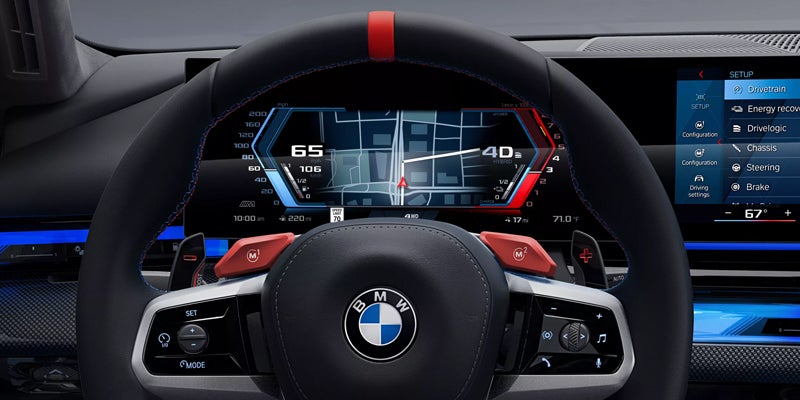
BMW EfficientDynamics brings together BMW features that manage energy use, driving feedback, and selected vehicle responses. For this reason, the name can appear within the instrument cluster, control display, feature list, or owner information. However, it does not describe one single button or part. Additionally, some BMW models use ECO PRO, while newer interfaces may show Efficient Mode. Each version can pair driving guidance with settings that reduce fuel or electrical demand. However, available functions vary by model year, drivetrain, equipment, and software. With that in mind, Orange Park drivers can read each graphic by learning its purpose. Stop and go traffic, highway travel, and strong air conditioning demand can each change the information shown. What Does BMW EfficientDynamics Mean? BMW EfficientDynamics is BMW terminology for a group of energy saving features and engineering measures. These measures can include drive mode settings, coasting, Auto Start Stop, aerodynamic work, and energy recovery. Therefore, the goal is to reduce wasted energy while keeping the BMW ready for normal road travel. However, a gasoline model may use different features than a plug in hybrid or electric BMW. Beyond that, BMW EfficientDynamics can describe design choices that are not visible from the driver seat. Air flow work, lighter materials, and engine management can contribute without adding another menu or icon. more Therefore, the display should be read as one part of a larger approach. It reports selected information, but it does not show every efficiency measure operating within the BMW. Additionally, owners should check their model manual before comparing two BMW displays. Screen layouts, colors, labels, and drive modes can change across production years. What Does the EfficientDynamics Display Show? The EfficientDynamics display gives feedback about energy demand, recovery, coasting, or driving input. The exact layout varies across BMW models and software versions. A moving bar may rise as the accelerator receives more input. During deceleration, another area may show charging or recuperation. In addition, some displays show coasting, range guidance, or a coaching prompt. Therefore, common display elements may include: An energy area can show how much fuel or electrical power the current driving input requests. A recovery area can show energy returning during braking or deceleration on an electrified BMW. A coaching graphic can encourage smoother pedal input while Efficient Mode remains active. A coasting symbol can appear when the drivetrain reduces resistance after accelerator release. However, the blue area does not carry one universal meaning across every BMW. On one model, it may mark recovery. On another, it may support an efficiency scale. Therefore, read the label beside the graphic before drawing a conclusion. The owner manual can identify the exact icon and explain the scale. Additionally, trip summaries can compare recent driving with prior travel. These summaries are informational. They do not diagnose a mechanical fault. How Efficient Mode Changes BMW Responses Efficient Mode can change selected settings so the BMW uses less energy. On newer BMW interfaces, the Efficiency Trainer can respond to pedal input during traffic. Why can the accelerator feel softer after Efficient Mode starts? The mode can adjust pedal mapping, so the same foot movement requests less immediate output. Moreover, some BMW models may revise transmission operation. Earlier upshifts can keep engine speed lower during light acceleration. Coasting may begin after the accelerator is released. In addition, climate operation can change. As a result, cooling may feel gentler because the BMW reduces selected energy demand. In Orange Park heat, cabin temperature settings can shape the final result. However, Efficient Mode does not prevent stronger acceleration when it is needed. Pressing the accelerator farther can request more output for merging or passing. Still, drivers can select another available mode when they prefer a sharper response. The available choices and names will differ across BMW generations. Additionally, current shoppers can review the new BMW inventory for models using newer displays and drive mode layouts. How Energy Recovery and Auto Start Stop Work BMW EfficientDynamics can include energy recovery, Auto Start Stop, and coasting. However, each feature manages a different part of the drive. Brake energy regeneration on electric and plug in hybrid BMW models converts motion into electrical energy during slowing. That energy returns to the high voltage battery. By contrast, a gasoline BMW may show charging during deceleration through alternator management. That process is not identical to high voltage recuperation in an electric BMW. Additionally, Auto Start Stop turns the gasoline engine off during qualifying stops. The engine restarts when the BMW prepares to move again. For this reason, the engine may stop at lights or during a slow Jacksonville traffic queue. Cabin cooling demand, battery charge, and engine temperature can keep the engine running. By contrast, coasting works differently. When engine braking is not needed, the transmission can reduce the connection between the engine and driven wheels. The BMW then rolls with less resistance. Consequently, coasting may appear after the accelerator is released during highway travel. Braking or renewed accelerator input reconnects the drivetrain as needed. Even so, these features do not appear on every BMW. Model equipment and drivetrain type shape which functions are present. Orange Park Driving Examples and Service Guidance BMW EfficientDynamics feedback can change throughout one local trip. A drive along Blanding Boulevard may include repeated stops, short acceleration, and strong cooling demand. Therefore, Auto Start Stop may shut down the engine during a stop. After traffic moves, Efficient Mode may encourage gentle acceleration through the coaching display. On Interstate 295, the BMW may enter coasting after accelerator release. An electrified model may show recuperation when traffic slows or the brake pedal is pressed. Additionally, air conditioning use can reduce the savings shown by the display. However, cooling remains a normal part of Florida travel. Comfort settings should match the people inside the cabin. When does a display message need service review? A coaching prompt or changing efficiency bar is usually ordinary display feedback. However, a warning light, persistent Check Control message, reduced power notice, or repeated charging alert needs closer attention. Read the full message before changing any setting. Therefore, contact the Tom Bush BMW Orange Park service center when the notice remains. Owners can also schedule BMW service online. Consequently, a trained technician can read stored fault information and inspect the related BMW components. That step separates normal efficiency feedback from a fault requiring repair. With that in mind, BMW EfficientDynamics becomes clearer when the display, drive mode, and drivetrain are considered together. The screen then offers useful guidance for each Orange Park trip.

BMW Lease Specials: Residual Values and Mileage Explained

BMW lease specials are built around two financial variables most shoppers never see: residual value and money factor. The monthly payment a dealer presents is the result of those two numbers working together. Understanding what each one does, how a promotional special changes them, and what mileage selection does to the math gives you the tools to evaluate any BMW lease offer accurately. A low monthly payment is not always a strong deal. A strong deal requires both variables working in your favor. What Residual Value Does to Your Monthly Payment Residual value is the projected worth of the vehicle at lease end. BMW Financial Services expresses it as a percentage of the original MSRP. A vehicle with a 55% residual on a $50,000 MSRP carries a projected end value of $27,500. The depreciation portion of your monthly payment covers the gap between the capitalized cost and that residual figure, spread across the lease term. A higher residual percentage means less depreciation to finance. Less depreciation produces a lower base payment. This is why certain BMW models lease more favorably than others. A model that holds its value well carries a stronger residual. That directly reduces what you pay each month. A model with a weaker residual forces you to finance a larger depreciation amount regardless of the selling price negotiated at signing. BMW lease specials frequently involve a subsidized residual. BMW Financial Services raises the residual percentage above its standard projected value to reduce depreciation and lower the payment. That subsidy is not reflected in the vehicle's actual market value. It is a promotional tool. Confirming the residual percentage on any lease special tells you how much of the payment reduction came from BMW's subsidy versus a negotiated selling price. more A residual percentage between 50 and 60 percent on a 36-month BMW lease is generally strong for most models in this segment Residual percentages drop as lease terms extend, which is why 24 and 36-month leases produce lower payments than 48 or 60-month terms on the same vehicle Promotional residuals during lease special periods can run 3 to 8 percentage points above standard, which meaningfully reduces the depreciation financed across the term How the Money Factor Works and What Promotional Rates Change The money factor is the financing cost built into every lease payment. BMW Financial Services expresses it as a small decimal, typically ranging from 0.00050 to 0.00250. To convert that decimal to an APR equivalent, multiply it by 2,400. A money factor of 0.00125 converts to approximately 3.0% APR. A money factor of 0.00200 converts to approximately 4.8% APR. That conversion matters because it lets you compare a lease financing cost directly to a traditional loan rate. Many shoppers accept a money factor without knowing its APR equivalent. Without that reference point, there is no way to judge whether the financing cost is fair. A promotional BMW lease special often includes a subsidized money factor below the standard market rate. That subsidy reduces the finance charge in the monthly payment and operates separately from any residual adjustment. A strong lease special improves both levers. A weaker special may lower the money factor while leaving the residual at standard rates. Another structure may raise the residual while leaving the money factor unchanged. Evaluating both numbers independently tells you which lever is doing the work. Multiply any BMW money factor by 2,400 to convert it to an APR equivalent for direct comparison against current loan rates A promotional money factor below 0.00100 converts to under 2.4% APR, which is strong lease financing for the current market BMW Financial Services adjusts money factors monthly, so a promotional rate available during one model month may not carry into the next How Does Your Mileage Choice Affect What You Pay? BMW Financial Services structures lease mileage allowances at 10,000, 12,000, and 15,000 miles per year. Selecting a higher mileage tier does more than change overage penalty exposure. It also reduces the residual percentage. A vehicle driven more miles accumulates more wear and depreciates faster. BMW Financial Services reflects that reality in a lower projected end value, which raises the depreciation amount financed across the term. The difference between a 10,000-mile and a 15,000-mile annual allowance can reduce the residual percentage by 3 to 5 points. On a $50,000 vehicle, a 4-point residual reduction adds $2,000 to the depreciation financed. Spread across 36 months, that adds approximately $55 to the monthly payment before the finance charge is applied. Shoppers who need the highest mileage tier should factor that residual impact into the total payment comparison. Treating it as a flat rate addition understates the true cost of the higher allowance. Selecting a mileage tier below your actual driving needs creates a separate problem. Returning a lease with excess mileage triggers a per-mile overage charge on every mile above the contracted limit. Choosing the right tier at signing avoids both the residual penalty of over-selecting and the overage charge of under-selecting. What Happens If You Go Over Your Mileage Allowance? BMW Financial Services charges $0.25 per mile for every mile above the contracted limit at lease return. That charge applies to the full overage amount. A driver returning a lease 3,000 miles over their limit faces a $750 charge due at the return appointment. That amount cannot be rolled into a new lease payment. The prepurchase option changes that calculation. At any point during the lease, BMW Financial Services allows the lessee to purchase additional miles at a rate below the $0.25 return penalty. Prepurchasing locks in the lower rate before the lease ends. A driver who anticipates exceeding their mileage allowance mid-lease should purchase those miles early. Waiting until return and paying the full penalty costs more per mile than acting during the lease. Tracking cumulative mileage against the contracted annual limit provides an early warning signal. A driver 12 months into a 36-month lease at 12,000 miles per year who has already driven 14,000 miles is running 2,000 miles ahead of pace. Addressing that through prepurchase at that point costs less than paying the full return rate on the accumulated overage at lease end. How to Evaluate a BMW Lease Special Before You Sign A BMW lease special that leads with a monthly payment number requires two additional questions before that number means anything. First, what is the residual percentage? Second, what is the money factor? Those two figures determine whether the payment reflects genuine promotional value or an unfavorable combination of low residual and high financing cost. Checking Both Levers A strong evaluation compares the money factor's APR equivalent to current loan rates. If the converted APR is below what you would pay financing the same vehicle, the lease financing is working in your favor. If the residual percentage is above the model's standard rate, BMW Financial Services is subsidizing depreciation through a promotional tool rather than through a negotiated price reduction. Both conditions together define a strong lease special. Lease-end options also connect back to the residual set at signing. At lease end, you have the right to purchase the vehicle at the contracted residual price regardless of its actual market value. If the vehicle held value above the projected residual, the buyout price is below market and represents a real purchase opportunity. If market value has fallen below the residual, returning the vehicle is the financially neutral exit. A lease special is strongest when the residual percentage is above standard and the money factor converts to an APR below current market loan rates Lease-end buyout rights are fixed at the residual established at signing, so a vehicle that depreciated less than projected becomes a below-market purchase at lease end Capitalized cost reduction through negotiation lowers the depreciation financed without affecting the residual or money factor, making it an additive savings layer on top of any promotional structure The team at Tom Bush BMW can walk Orange Park drivers through the current residual percentages and money factors on active lease specials before any payment calculation is presented. Knowing both numbers before you see a monthly figure is the clearest path to evaluating whether a BMW lease special delivers the value it appears to offer.

BMW Brake Pad Replacement: Signs and Service Timing

BMW brake pad replacement is one of the most common service decisions an owner faces, and knowing when to act makes the difference between a routine pad swap and a costlier brake system repair. BMW uses an electronic wear sensor system that alerts the driver at a specific pad thickness threshold. However, that warning light is not the only signal worth monitoring. Understanding how the sensor works, what physical signs precede it, and what a complete brake evaluation involves gives you a more accurate picture of where your brake system actually stands. How BMW Brake Wear Sensors Work BMW embeds electronic brake wear sensors directly into the brake pad material. Each sensor contains a resistive wire that maintains a closed electrical circuit while pad material surrounds it. As the pad wears to approximately 2 to 3mm of remaining thickness, the rotor contacts the wire and breaks that circuit. That interruption triggers the brake pad warning indicator on the instrument cluster. The sensor is a single-use component. Once the rotor severs the wire, the sensor cannot be reset or reused. A technician must replace it alongside the pad at every service. BMW typically installs sensors on the front inner pads and one rear pad. These positions wear fastest and generate the most reliable wear data across the axle. However, a rear sensor alert confirms the rear pads have reached threshold. It does not confirm the front pads are in good condition. more Furthermore, CBS brake monitoring tracks pad wear as part of the vehicle's continuous service calculation. The system uses wheel speed data, brake application frequency, and deceleration load to estimate remaining pad life between physical sensor triggers. Together, the CBS estimate and the physical sensor provide two layers of awareness before a pad reaches a critical state. Can You Drive After the BMW Brake Warning Light Appears? When the brake pad warning light activates, approximately 2mm of pad material remains at the sensor contact point. That thickness still provides functional stopping power. However, it represents a narrow safety margin. Most BMW owners can drive briefly after the alert without immediate mechanical danger. Continuing without scheduling service accelerates the risk of the pad reaching zero material, at which point the metal backing plate contacts the rotor directly. What Happens If You Delay Service Metal-on-metal contact between the backing plate and rotor causes rapid rotor scoring. It also significantly increases stopping distance. A pad replacement at $300 to $500 per axle becomes a pad and rotor replacement once scoring begins. Rotor replacement on a BMW adds $400 to $800 per axle depending on the model. Scheduling service within a few days of the warning light is the cleaner financial and safety decision. Grinding during braking is a separate signal that requires immediate attention. Unlike the warning light, grinding means pad material is already gone and metal contact is actively occurring. At that stage, driving to a service appointment compounds rotor damage with every stop. A BMW owner who hears grinding should schedule same-day service rather than waiting for a convenient opening. Why Do Front and Rear BMW Brake Pads Wear at Different Rates? Most vehicles wear front pads faster than rear pads. Braking shifts vehicle weight forward, loading the front axle with the majority of stopping force. BMW's calibration changes that dynamic on many models. Several BMW platforms apply a rear brake bias tuning that distributes more braking force to the rear axle at low to moderate deceleration levels. Additionally, BMW's brake-based limited-slip differential function uses rear brake application to redirect torque during cornering. That places heat and friction load on the rear pads outside of normal braking events. As a result, rear pads on certain BMW models wear at a rate closer to or faster than the fronts. An owner who checks front pad thickness and assumes the rears are in equal condition may miss a rear pad that has reached its sensor threshold. The CBS monitoring differences between front and rear axles mean the two wear rates can diverge without obvious warning until the sensor trips. Checking both axles at every service interval is the more accurate approach for a BMW. A technician performing a brake inspection should measure pad thickness at all four corners and report them independently. That gives you a complete picture of where each axle stands relative to the replacement threshold. Rotors and Brake Fluid: What a Full Brake Evaluation Covers Pad replacement Addresses the friction material but does not resolve rotor or fluid conditions that affect brake system function. A thorough brake evaluation covers three components: pad thickness measurement, rotor inspection, and brake fluid moisture assessment. Rotor Inspection Rotors carry a minimum thickness specification stamped or cast into the rotor hat. A technician measures rotor thickness with a micrometer at multiple points across the face. A rotor that has worn below minimum specification requires replacement regardless of surface appearance. Beyond thickness, the technician inspects for scoring, which are grooves cut into the rotor face by worn pad material or debris. A scored rotor accelerates wear on new pads and reduces the contact area between pad and rotor. Heat cycling also causes rotor warping, where the rotor face develops a slight runout that the driver feels as a pulsation through the brake pedal. Rotor minimum thickness is a hard specification, and a rotor measuring below that number requires replacement even if the surface looks acceptable Scoring deeper than 1.5mm into the rotor face cannot be corrected by resurfacing and requires full rotor replacement Brake fluid moisture content above 3 percent indicates the fluid has absorbed enough water to lower its boiling point, which BMW's CBS system flags as a service need independent of pad wear Brake fluid connects to pad service in a way most owners do not expect. Fluid with high moisture content boils under sustained heat load. That creates vapor pockets in the hydraulic line. Those pockets compress instead of transmitting pressure, causing the pedal to feel soft under repeated hard stops. New pads cannot compensate for degraded fluid. A complete brake evaluation should confirm fluid condition before the appointment closes. Service Timing and What to Expect at the Dealer BMW brake pad replacement intervals vary by model, driving pattern, and axle position. Front pads on most BMW models reach service threshold between 30,000 and 50,000 miles under mixed driving. Rear pads on models with brake-based differential function may reach threshold earlier. Aggressive urban driving, frequent highway braking, and towing accelerate wear on both axles. At an authorized BMW dealer, a brake pad replacement service includes pad removal, wear sensor replacement, rotor inspection, caliper slide pin lubrication, and a brake system pressure check. The technician documents pad thickness at all four corners and notes rotor condition in the service record. That documentation matters for CBS recalibration after service and for the vehicle's service history under a transferable maintenance plan. Front brake pad and rotor replacement at an authorized BMW dealer typically runs between $600 and $1,100 per axle depending on model and rotor specification Rear brake pad and rotor replacement runs between $500 and $900 per axle on most BMW models, with M Sport and performance trim variants carrying higher parts costs Scheduling service promptly after a warning light alert avoids rotor scoring and keeps the repair within the pad-only cost range Tom Bush BMW's service team handles brake inspections and pad replacement with BMW-trained technicians and genuine BMW parts. That ensures the CBS system recalibrates correctly after service. For Jacksonville drivers who want accurate brake wear data and a complete axle-by-axle evaluation, scheduling a brake inspection before the warning light appears is the most cost-controlled path through BMW brake ownership.

BMW Maintenance Plan and Ultimate Care Coverage Explained

The BMW maintenance plan that comes with every new vehicle is called Ultimate Care, and it covers factory-scheduled services for the first 3 years or 36,000 miles. Most shoppers know the name but not the mechanics behind it. Understanding how the program is structured, what the Condition Based Service system does, and how Ultimate Care differs from Ultimate Care+ gives you a clearer picture of what you are actually getting. Moreover, knowing what decisions must be made before you leave the dealership protects you from missing options that cannot be added later. How BMW Ultimate Care Works and What It Covers Every new BMW includes Ultimate Care at no additional cost. The program covers all factory-scheduled maintenance services for the duration of the coverage window. That includes engine oil and filter changes, brake fluid service, vehicle check services, and remote software updates where applicable. All covered services must be performed at an authorized BMW center using BMW-approved parts and fluids. The coverage window closes at whichever limit arrives first: 3 years or 36,000 miles. A driver who reaches 36,000 miles in 18 months exhausts the program at that point. A driver who keeps annual mileage low will hit the 3-year calendar limit before reaching the mileage cap. Knowing which boundary applies to your driving pattern matters because it shapes how much remaining coverage you carry into any extension decision. BMW does not trigger services through fixed mileage intervals under this program. Instead, the Condition Based Service system monitors vehicle data continuously and calculates when each service is actually needed. This is why two owners driving identical models can receive oil change alerts at different mileage points. The interval reflects actual vehicle state, not a number on a sticker. Condition Based Service: The System Behind the Schedule Condition Based Service is a sensor-driven monitoring system built into every BMW. It tracks multiple vehicle parameters simultaneously, including engine oil quality, brake fluid moisture content, air filter load, and microfilter condition. Each parameter feeds into a separate service counter that calculates remaining life as a percentage. Additionally, the system alerts the driver when a threshold approaches so service can be scheduled before a condition deteriorates. How CBS Calculates Oil Life Oil life calculation under CBS goes beyond simple mileage counting. The system evaluates oil temperature cycles, engine load history, cold start frequency, and short-trip accumulation. A vehicle used primarily for highway driving at steady throttle will carry healthier oil longer than one used for repeated short urban trips, even at identical mileage. As a result, CBS-driven oil change intervals on BMWs frequently extend beyond 10,000 miles and can reach up to 15,000 miles under favorable conditions. How CBS Monitors Brake Fluid Brake fluid monitoring works differently from oil tracking. CBS measures the moisture absorption level of the fluid rather than mileage or calendar date alone. Brake fluid absorbs water through the hydraulic system, which lowers its boiling point and reduces stopping reliability under heavy use. When CBS detects that moisture content crosses a threshold, it flags a brake fluid service regardless of mileage traveled. This approach reflects how BMW calibrates service needs to actual vehicle state rather than fixed-schedule assumptions. Ultimate Care vs. Ultimate Care+: What Actually Separates Them BMW includes Ultimate Care with every new vehicle purchase, requiring no decision at the point of sale. Ultimate Care+ is a separate, optional program that extends and expands coverage beyond the base plan. However, a buyer must purchase Ultimate Care+ at the time of vehicle acquisition. After taking delivery without adding it, that window closes permanently. The most significant coverage difference between the two programs is wear-and-tear item inclusion. Base Ultimate Care covers scheduled maintenance services only. Ultimate Care+, by contrast, adds coverage for items that wear through normal use, including front and rear brake pads, brake discs, wiper blade inserts, belts, and clutch linings on manual transmission vehicles. BMW's new vehicle limited warranty does not cover these items. They are, however, among the most common service costs an owner encounters in years two through five of ownership. Ultimate Care+ runs across four extension tiers, each defined by a cumulative mileage window that begins where base Ultimate Care ends: Ultimate Care+1 extends coverage an additional 12 months, adding wear-and-tear item coverage alongside continued scheduled maintenance up to 14,000 miles beyond the base plan endpoint Ultimate Care+2 covers 24 months and extends the program to 39,000 miles beyond base coverage, including both scheduled maintenance and wear-and-tear items throughout Ultimate Care+3 runs 36 months and extends to 64,000 miles beyond the base endpoint, maintaining the same dual coverage structure across a longer ownership window Ultimate Care+4 provides the broadest extension at 48 months, covering scheduled maintenance and wear-and-tear items to 89,000 miles beyond where base Ultimate Care concludes The right tier depends on expected ownership length and annual mileage. A driver who keeps vehicles for five or six years and covers 15,000 miles annually will exhaust base Ultimate Care early. Without an extension, several years of out-of-pocket service costs follow. What Does Ultimate Care Actually Exclude? Understanding what the program does not cover is as important as knowing what it does. Base Ultimate Care is a scheduled maintenance program, not a comprehensive service contract. BMW schedules what it covers. Wear, breakage, and consumption outside those scheduled intervals fall to the owner. Tires are excluded from both Ultimate Care and Ultimate Care+. Tire wear varies too significantly based on driving habits, road surface, and load to incorporate into a fixed program structure. Batteries also fall outside coverage, including both the main drive battery on electric models and the 12-volt auxiliary battery on all vehicles. Furthermore, fluid top-offs between scheduled services, including coolant, windshield washer fluid, and power steering fluid, are excluded entirely. Tires, wheels, and wheel alignments are not covered under any tier of Ultimate Care or Ultimate Care+, and BMW treats tire wear as an owner-managed consumable cost The 12-volt auxiliary battery and, on electric models, the high-voltage drive battery fall outside program coverage regardless of which Ultimate Care tier is active Fluid top-offs between scheduled service intervals are the owner's responsibility and BMW does not reimburse them under either the base program or any Ultimate Care+ extension Damage from accidents, misuse, or environmental factors also falls outside the scope of this program. BMW's new vehicle limited warranty addresses manufacturing defects. Auto insurance covers external damage. Shoppers who understand the boundary between scheduled maintenance, wear-and-tear coverage, and warranty protection can evaluate each layer of their BMW's coverage accurately. Is Extending Your Coverage Worth It? The value calculation for Ultimate Care+ comes down to two numbers: what the extension costs at acquisition and what covered services would cost out of pocket at an authorized BMW center. A single brake pad and disc service on a BMW can run between $400 and $700 per axle depending on the model. Brake fluid service typically runs $150 to $250. Furthermore, an oil and filter service at a BMW dealer averages $150 to $200 per visit. Drivers who keep their vehicles beyond 36,000 miles and plan to use authorized BMW service will face those costs without an extension. Ultimate Care+ consolidates them into a single prepaid amount at acquisition. It also locks in current labor and parts pricing rather than paying rates that may increase across the ownership period. For higher-mileage drivers, that math frequently favors the extension. For drivers who trade vehicles before 50,000 miles, the decision is tighter and depends on which wear-and-tear items would realistically be needed within that window. Transferability is also worth evaluating at the point of purchase. For BMW vehicles from the 2022 model year forward, Ultimate Care coverage transfers to a subsequent owner. That transferability adds a verifiable service history component to the vehicle's resale profile. Ultimate Care+ carries separate transferability terms and transfers independently of the base program. Shoppers who prioritize resale positioning benefit from documented, dealer-performed maintenance under a transferable program. The team at Tom Bush BMW can walk you through which Ultimate Care+ tier aligns with your expected mileage and ownership timeline before your acquisition window closes. For Orange Park drivers who want full visibility into their BMW's service structure from day one, that conversation is worth having before delivery.

BMW 2 Series vs Audi A3: Compact Performance Compared

The BMW 2 Series vs Audi A3 decision puts two compact German sedans at the same starting price but on very different mechanical paths. Both carry base MSRPs around $41,350, yet the engineering priorities behind each car diverge quickly once you move past the window sticker. One prioritizes driver engagement and powertrain output. The other leads with standard all-wheel drive and a mature technology interface. Understanding what separates them at the platform level gives you a clearer picture of which one actually fits how you drive. Engine Output and How Power Delivery Actually Differs Horsepower numbers tell part of the story, but they rarely tell the whole one. The base BMW 228i Gran Coupe produces 241 horsepower, while the base Audi A3 40 TFSI generates 201 horsepower. That 40-horsepower gap looks significant on paper. However, what shapes how each car feels in motion is not peak output alone. It is where torque arrives, how quickly the turbocharger spools, and how the transmission responds when you ask for power. The 228i pairs its turbocharged 2.0-liter four-cylinder with a 7-speed dual-clutch transmission. Dual-clutch units pre-select the next gear before the shift executes, which produces faster, more mechanical gear changes than a traditional torque converter automatic. The result is sharper throttle response, particularly during mid-range pulls between 2,000 and 4,500 RPM where the engine delivers peak torque. The Audi A3 uses a 7-speed dual-clutch as well, but its lower torque ceiling means the engine needs to rev further to sustain acceleration momentum. more For shoppers asking which car feels faster at a highway merge or through a climbing on-ramp, the 228i holds a clear edge in raw response. Furthermore, the M240i xDrive steps that output to 306 horsepower, widening the gap considerably against Audi's standard A3 lineup. The performance calculus only shifts when the Audi S3 enters the conversation, which is addressed later. Drivetrain Configuration: What FWD vs. AWD Means at the Platform Level One of the most overlooked facts in this comparison is that the base BMW 228i Gran Coupe uses a front-wheel drive platform. That surprises many shoppers who associate the BMW badge with rear-wheel drive dynamics. By contrast, the Audi A3 comes standard with Audi's quattro all-wheel drive system across its lineup. These are not equivalent configurations, and understanding what each means mechanically changes how you should evaluate them. Front-wheel drive sends engine torque through the same axle that steers the car. At the base trim level, the 228i manages this well, and BMW's suspension tuning partially compensates for the front-drive layout. However, when power demand increases, front-drive platforms can exhibit understeer under hard acceleration. The Audi's standard quattro distributes torque between the front and rear axles continuously, which gives the A3 a more neutral handling posture at the base trim. The BMW xDrive all-wheel drive system becomes available on higher trims, including the M235i xDrive. xDrive uses an electronically controlled multi-plate clutch to vary torque distribution between axles based on wheel slip, steering angle, and throttle input. So the drivetrain story for BMW is not that it lacks all-wheel drive. Rather, the question is whether you are comparing base trims or stepping into the xDrive lineup. Shoppers prioritizing AWD from the entry price point will find the A3 delivers it without moving up a trim level. Technology Interface: BMW iDrive vs. Audi MMI Both manufacturers have invested heavily in their infotainment architecture, and the interface philosophies reflect their broader brand positioning. The BMW 2 Series Gran Coupe carries the iDrive 8 system with a curved dual-screen display that spans the dashboard. The 10.25-inch instrument cluster and 10.7-inch infotainment screen share a single curved glass panel, which creates a visually unified cockpit. Menu navigation runs through a combination of touchscreen input and steering wheel controls. The Audi A3 uses the MMI touch system, anchored by a 10.1-inch central display and a lower climate control touchscreen. Audi's layout separates vehicle functions across two physical screen zones, which means climate adjustments do not require navigating through the primary media menu. That structure reduces input steps for frequent adjustments. Beyond that, the A3 retains some physical shortcut buttons along the lower fascia that allow quick access to home and back functions without full touchscreen commitment. BMW iDrive 8 integrates navigation, media, and vehicle settings into one curved display panel with gesture control available as an option Audi MMI separates climate from media through a dedicated lower touchscreen, reducing menu depth for temperature and fan adjustments Both systems support wireless Apple CarPlay and Android Auto, but BMW's interface responds more quickly to touch input according to multiple independent evaluations For shoppers who spend significant time interacting with their car's technology while driving, the choice between these two systems reflects a real preference difference. BMW's curved display creates a more immersive, driver-forward cockpit. Audi's split-screen approach prioritizes function separation and reduced distraction for climate inputs. Performance Trims: M235i xDrive vs. Audi S3 When the conversation moves to performance variants, both brands field compelling entries. The BMW M235i xDrive produces 306 horsepower from its turbocharged 2.0-liter four-cylinder. The Audi S3 counters with 328 horsepower from its own turbocharged 2.0-liter unit. The S3 holds the output advantage at this tier, but output is only one layer of what separates these two cars. The M235i xDrive carries M Sport suspension tuning, which includes stiffer spring rates and revised damper calibration relative to the standard 228i. The xDrive system in the M235i is also calibrated differently than the base AWD setup, with a rear-biased torque distribution that allows the car to rotate more freely through corners before xDrive redistributes grip. This gives the M235i a handling character that feels closer to a traditional rear-drive BMW than the front-biased base trim suggests. The Audi S3's quattro system, by contrast, defaults to a front-forward torque split and redistributes power rearward under oversteer detection. The result is a more stable, planted feel rather than a rotationally adjustable one. Additionally, the M235i benefits from BMW's M Sport brake package availability, larger front calipers, and a more aggressive steering ratio. Shoppers drawn to the performance tier who want a car that rewards active input will find the M235i's rear-biased xDrive tuning more engaging. Those who prioritize stability and composed high-speed confidence at the performance level will find the S3's quattro behavior more reassuring. What Does Five-Year Ownership Actually Cost for Each Car? The price parity at the base trim makes this question more important than it might initially appear. According to Edmunds TCO data, the Audi A3 carries a five-year total cost of ownership of approximately $49,313. The BMW 2 Series comes in at approximately $55,345 over the same period. That $6,032 gap does not stem from fuel costs alone. Maintenance accounts for a significant portion of the divergence. Over five years, BMW maintenance costs are estimated at $6,785 compared to $4,868 for the Audi A3. BMW's service intervals, parts pricing, and labor rates at authorized dealers drive that differential. Depreciation also favors the A3 slightly, with the BMW losing more value over the same ownership window. BMW 2 Series five-year depreciation is estimated at $20,354, while the Audi A3 loses approximately $18,383 over the same period Maintenance cost difference over five years runs approximately $1,917 higher for the BMW, with dealer service rates and parts pricing as primary contributors Fuel costs remain comparable between the two given their similar engine displacement and EPA-rated efficiency However, the BMW's higher performance output and more powerful base engine mean the car delivers more capability per ownership dollar in terms of driving engagement. The question is not simply which costs less. It is whether the additional cost of BMW ownership translates into a driving experience that justifies the gap for your specific use. Shoppers who cover high annual mileage and prioritize ownership economy will find the A3 a more cost-controlled path. Those who weight driver involvement and powertrain response above long-term savings will find the BMW's premium defensible. Which Direction Fits the Way You Drive? These two cars serve the same segment, but the BMW 2 Series Gran Coupe brings a more complete performance package to the comparison. The powertrain advantage starts at the base trim with 40 more horsepower than the A3, and it compounds from there. The M235i xDrive's rear-biased torque distribution, M Sport suspension tuning, and more aggressive steering ratio give it a handling character that the S3's stability-forward quattro calibration does not replicate. The iDrive 8 curved display also sets a higher standard for cockpit immersion and interface responsiveness than the MMI layout delivers. For shoppers who spend time in their car and care about how the driving environment feels, that distinction carries real weight. The A3 offers standard AWD at the entry price point, and its five-year maintenance cost runs lower. However, those advantages come at the cost of output, chassis engagement, and a technology experience that BMW executes more convincingly. Shoppers cross-shopping this segment because they want a compact that actually drives like a premium car will find the 2 Series answers that question more directly. The Audi A3 is a capable, well-rounded entry. The BMW is the one that reminds you why you wanted a performance compact in the first place. For shoppers in the Orange Park area ready to experience the 2 Series firsthand, Tom Bush BMW offers the full lineup with knowledgeable staff who can walk you through every trim and configuration.

BMW 3 Series Lease vs Finance

BMW 3 Series lease vs finance comparisons usually begin with monthly payments, but the larger difference comes from how each option handles depreciation, ownership, mileage, and long-term vehicle cost. Both financing and leasing create very different ownership structures even when the same BMW sedan is involved. One path prioritizes lower short-term payments and shorter ownership cycles. The other builds equity while extending ownership length beyond the factory warranty window. Understanding how these structures work helps shoppers evaluate which option fits their driving habits, commuting distance, technology priorities, and long-term financial plans more naturally. Why BMW 3 Series Lease Payments Usually Cost Less Per Month BMW lease payments are usually lower because the lease contract only finances the portion of the vehicle expected to depreciate during the lease term. Instead of paying toward the entire vehicle value, the customer pays for projected depreciation plus interest and fees during the lease window. Residual value plays a major role in this structure. Residual value is the projected worth of the BMW 3 Series at the end of the lease term. Since BMW sedans maintain relatively strong projected resale positioning, the amount financed during the lease can remain smaller than a traditional purchase loan. A finance contract works differently. Financing covers the full negotiated vehicle price along with taxes, fees, and interest across the loan term. Because the entire vehicle value becomes financed, monthly payments usually rise higher than lease payments for the same BMW model. BMW lease structures commonly include: more • Lower monthly payments • Shorter ownership cycles • Residual value forecasting • Mileage agreements • Lease-end inspection requirements • Optional buyout opportunities This creates strong appeal for drivers who prefer upgrading vehicles more frequently or prioritizing lower monthly obligations over long-term ownership accumulation. Mileage and Driving Habits Matter More During Leasing Mileage restrictions exist because lease contracts are built around projected vehicle resale value. The more miles accumulated during the lease term, the lower the vehicle value becomes at lease maturity. BMW Financial Services calculates lease structures partially through expected future resale positioning. If mileage rises substantially beyond contract limits, the residual projection changes and the vehicle may return worth less than originally forecasted. This matters heavily for commuters and long-distance drivers. Someone driving twenty thousand miles annually may encounter much different lease economics than someone commuting locally with limited annual mileage accumulation. Driving routines that influence lease evaluation include: • Long interstate commuting • Frequent road travel • Urban stop and go driving • Business travel mileage • Weekend recreational driving • Multi-driver household usage Wear assessment also becomes part of the lease-end process. Excess wheel damage, interior wear, tire wear, windshield damage, or body panel damage can trigger additional charges depending on lease return condition. Financing eliminates mileage restrictions entirely because ownership transfers directly to the buyer. The owner absorbs depreciation naturally through vehicle aging instead of operating within a predefined residual structure. This creates more flexibility for drivers whose commuting habits fluctuate unpredictably throughout ownership. Financing Builds Equity Through Principal Reduction Financing changes ownership math because each monthly payment gradually reduces the loan principal balance. As the remaining loan amount decreases, ownership equity begins building inside the vehicle. Equity becomes important when trade-in timing changes later. If the BMW 3 Series maintains stronger resale positioning than the remaining loan balance, the owner may carry positive equity into the next transaction. That equity can reduce the balance of the next vehicle purchase or lower future monthly payments. Loan amortization determines how equity builds. Early loan payments apply more heavily toward interest, while later payments reduce principal balance more aggressively. Factors influencing financing structure include: • Loan term length • Interest rate structure • Down payment amount • Vehicle depreciation timing • Annual mileage accumulation • Trade-in timing Longer loan terms lower monthly payments but slow equity progression because interest remains distributed across a larger time window. Shorter loans raise monthly obligations but reduce interest accumulation and build ownership position faster. Technology cycles also influence financing evaluation. BMW interiors, driver assistance features, infotainment systems, and connectivity platforms evolve quickly. Buyers financing for extended ownership periods should evaluate how long they intend to keep the vehicle before newer technology shifts begin influencing satisfaction later. Warranty Timing Changes Lease and Finance Ownership Exposure BMW factory warranty timing shapes lease and finance decisions substantially because repair exposure changes after factory coverage expires. Most BMW lease terms overlap heavily with factory warranty protection, which reduces exposure to major repair expenses during the lease cycle. This creates predictability for many lessees because maintenance concerns and unexpected repair exposure remain limited during the ownership period. Drivers return the vehicle before aging electronics, suspension wear, cooling system failures, or high mileage repair exposure becomes more likely. Financing extends ownership much longer in many cases. Once factory coverage expires, the owner becomes responsible for repairs involving electronics modules, suspension components, cooling systems, drivetrain repairs, and sensor calibration issues. Ownership timing influences: • Repair exposure • Maintenance planning • Tire replacement cycles • Brake replacement timing • Electronics aging • Long-term operating costs Someone financing a BMW 3 Series for seven years may encounter very different maintenance exposure than someone leasing for three years and returning the sedan before higher mileage accumulation occurs. This does not automatically make leasing financially superior. Financing can still create lower overall long-term vehicle cost if the owner keeps the sedan substantially beyond loan payoff and maintains the vehicle carefully after the payment cycle ends. What Happens at the End of a BMW Lease or Loan The ownership path changes substantially once the agreement reaches maturity. At the end of a BMW lease, the customer usually has several available paths including returning the vehicle, purchasing it through a lease buyout, or transitioning into another BMW lease or finance agreement. Before return, the dealership or lease company evaluates mileage accumulation, vehicle condition, tire wear, cosmetic damage, and overall lease compliance. Excessive wear or over-mileage charges may apply depending on contract terms. Lease-end options commonly include: • Returning the vehicle • Purchasing the leased BMW • Starting another lease • Financing a replacement vehicle • Trading the vehicle early in some cases Financing works differently because the vehicle becomes fully owned after the loan balance reaches zero. Once paid off, the owner can continue driving without monthly payments, sell the vehicle privately, trade it toward another purchase, or refinance remaining balance if necessary earlier in the loan cycle. BMW 3 Series lease vs finance decisions therefore extend far beyond monthly payment differences alone. Mileage patterns, ownership length, warranty timing, repair exposure, technology preferences, and long-term financial goals all shape which structure feels more natural for different drivers.

What Out the Door Price Means at a BMW Dealer

Out the door price meaning becomes much clearer once buyers understand how taxes, registration, financing structure, dealership fees, and optional products combine into the final purchase agreement total. Many vehicle shoppers first encounter pricing confusion after seeing an advertised BMW price online, then noticing the final transaction amount changes during the purchase process. That difference does not automatically come from hidden pricing. Vehicle transactions contain multiple pricing layers that extend beyond MSRP alone. Understanding how those components work together helps buyers review dealership paperwork with greater clarity before signing final purchase documents. MSRP Is Only One Part of Final Vehicle Pricing MSRP represents the manufacturer's suggested retail price before taxes, registration, state fees, financing, and dealership processing costs are applied. Advertised pricing usually reflects the vehicle itself rather than the completed transaction structure. Once a buyer moves forward with a purchase, additional costs begin layering into the agreement. State sales tax calculations apply based on local tax law. Registration and title processing charges are added through state motor vehicle agencies. Dealership documentation fees cover contract preparation, filing procedures, title transfer processing, and transaction administration. These categories create the out the door total buyers see before finalizing paperwork. The final transaction amount commonly includes: more • Vehicle sale price • State sales tax • Title processing fees • Registration charges • Documentation fees • Trade in balance adjustments • Optional protection products A BMW purchase agreement therefore functions more like a complete transaction summary than a simple vehicle price sheet. This explains why two buyers purchasing similarly equipped vehicles may still receive different out the door totals depending on registration location, trade in structure, financing setup, and optional product selection. Financing Structure Changes More Than Monthly Payments Many buyers focus heavily on monthly payment figures during financing conversations, though loan structure changes the total transaction cost much more broadly than the payment amount alone. Loan term length, interest rate, down payment amount, and financed balance all influence the final amount paid throughout the loan. A lower monthly payment may still increase total interest paid if the financing term extends substantially longer. BMW financing structures also change depending on whether optional protection plans, maintenance coverage, wheel protection, or service contracts are added into the financed balance. Once those products become financed inside the loan, interest applies across those costs as well. Financing calculations usually include: • Loan principal balance • Interest rate structure • Loan term length • Down payment amount • Trade in equity application • Optional financed products • Remaining balance after taxes and fees This creates situations where two buyers can purchase identical BMW models yet carry dramatically different total ownership costs based on financing structure alone. Understanding the relationship between financed balance and total repayment amount gives buyers a clearer picture of the transaction beyond the monthly payment figure shown during negotiations. Trade Ins and Optional Products Reshape Final Pricing Trade ins influence dealership pricing in several different ways. Vehicle equity can reduce the financed balance directly, while negative equity from an existing loan can increase the new transaction amount if unpaid balance remains after the trade valuation is applied. Some states also apply sales tax differently when trade in value offsets the taxable vehicle amount. That adjustment can alter total taxes due during the transaction depending on local regulations. Optional products create another major pricing shift. Wheel and tire coverage, prepaid maintenance plans, GAP protection, service contracts, appearance protection, and theft recovery products all increase the final agreement total if selected during financing. These additions change: • Financed balance size • Monthly payment amount • Loan interest accumulation • Total repayment amount • Contract structure complexity This is one reason buyers reviewing only monthly payment numbers may overlook how optional products alter the overall financial structure of the transaction. Understanding how each product changes the financed balance helps buyers evaluate whether the added coverage matches their priorities before completing paperwork. Purchase Agreements Break Down Pricing Step by Step BMW dealership purchase agreements separate pricing into individual categories so buyers can review how the final transaction total is constructed. The agreement is designed to show where each amount originates rather than presenting one unexplained number at the end of the process. The paperwork generally begins with the vehicle sale price, then applies taxes, registration, fees, trade in adjustments, financing calculations, and optional products sequentially. Dealership documentation fees are commonly misunderstood because buyers sometimes interpret them as arbitrary charges. In reality, documentation processing covers administrative preparation tied to registration filing, lender coordination, contract handling, title processing, compliance paperwork, and transaction record management. The agreement structure usually separates: • Vehicle pricing • Tax calculations • Registration and title charges • Dealer processing fees • Trade in balance adjustments • Optional product selections • Financing calculations Reviewing the transaction line by line creates a much clearer understanding of how the out the door amount was assembled. That process also gives buyers an opportunity to ask questions before signing rather than reviewing totals only after financing has already been finalized. What Buyers Should Review Before Signing Final BMW Paperwork Vehicle transactions move quickly once financing paperwork begins, which makes preparation extremely important before arriving at the dealership. Buyers should review the full pricing structure carefully and understand how each category contributes to the final transaction amount. Questions worth reviewing include whether taxes were calculated correctly, whether trade in payoff balances match lender statements, whether optional products were intentionally selected, and whether financing terms align with the agreed structure. Before signing, buyers should review: • Final sale price • Tax calculations • Registration charges • Documentation fees • Loan interest rate • Loan term length • Trade in payoff balance • Optional product selections • Monthly payment structure • Total financed amount Out the door pricing exists to show the completed transaction total after every financial layer has been applied. Understanding how those categories work together helps BMW buyers move through the purchase process with stronger clarity and greater confidence before finalizing paperwork.

Contact Us

Fill out this form below and we'll contact you shortly
*Required Fields